Iranian Officials’ Response to Syria Sanctions: Promise of More Economic Aid to Assad
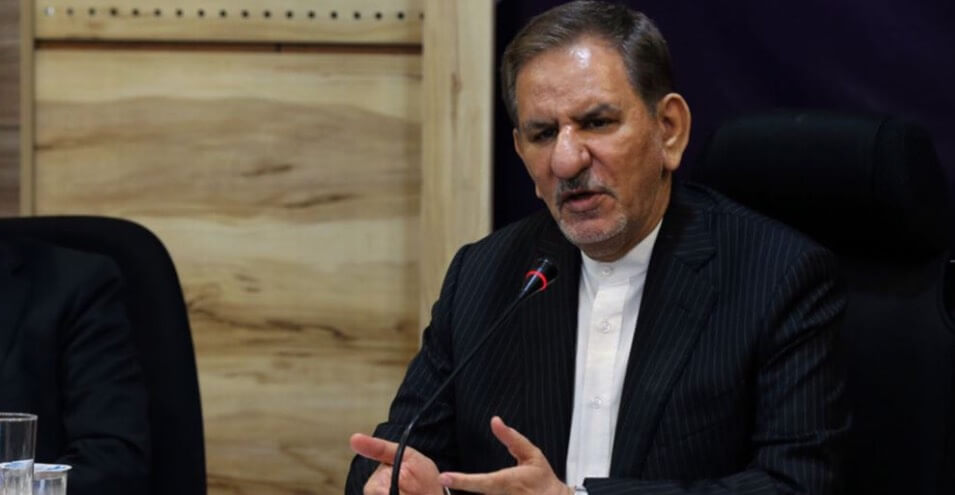
With the announcement of the implementation of new and strict sanctions by the United States against the Syrian government, Iran’s First Vice President on Thursday called for the implementation of Iran-Syria economic agreements “as soon as possible” and said that the Islamic Republic would “spare no effort” in reducing pressures on Syria.
According to IRIB news agency, Ishaq Jahangiri made this statement on Thursday, June 19, in a telephone conversation with Hussain Arnous, Syria’s new prime minister.
He said: “We must follow up on bilateral agreements in the Joint Commission for Economic Cooperation and the Strategic Committee of Relations between us so that these agreements are implemented as soon as possible” and also addressed the “international community,” saying that “serious support should be provided to the people of this country, especially in the field of providing medicines and essential goods.”
The news of Iran’s government decision to provide more economic aid to Bashar Assad’s government in Syria is being reported at a time when Hashmatolah Falahpisheh, a member of the National Security and Foreign Policy Commission of Parliament, stated in unprecedented remarks in March of this year that in the past decade the Islamic Republic has spent approximately “30 billion dollars” in Syria.
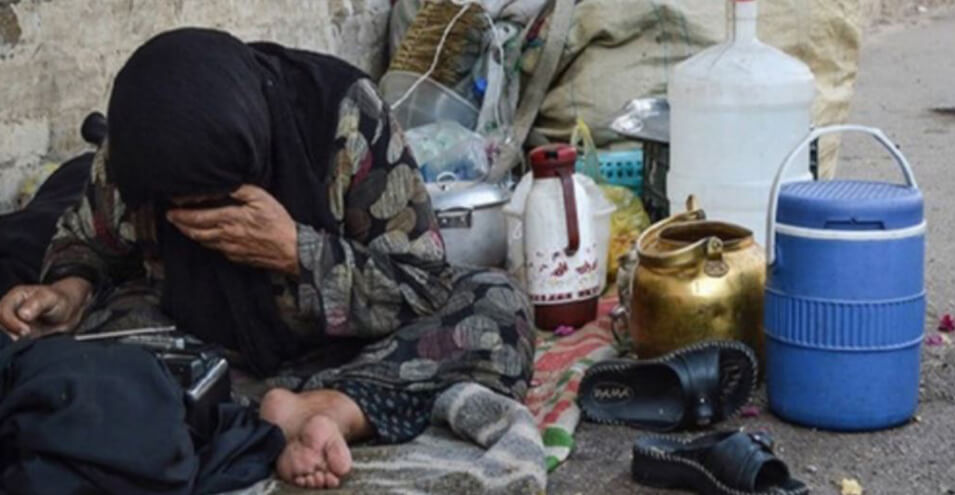
In recent years, in every protest movement that has erupted in Iran, one of the topics of people’s protest in the streets has been money spent on other countries, including Syria, instead of the country itself.
On Thursday, Abbas Mousavi, spokesman for the Ministry of Foreign Affairs of the Islamic Republic, also reacted to the enforcement of the sanctions law known as “Caesar” against Syria and said: “Iran does not recognize any legitimacy for such unjust and unilateral sanctions.”
He also announced that the Islamic Republic “will continue its economic cooperation” with Syria “as in the past” and “will strengthen its economic relations with Syria despite these sanctions.”
The aim of the new U.S. sanctions, which went into effect on June 17, is to prevent Damascus and its allies from benefiting financially following military victories and expanding control over the country.
The United States and the European Union have already imposed various sanctions against the Syrian central government. However, Washington wants to expand sanctions to individuals, legal entities, and companies that may engage in transactions with the Damascus government.
The new sanctions are named after the pseudonym of a photographer who in 2014 smuggled thousands of photographs of “torture and widespread killing” from the prisons of Bashar Assad’s government out of the country, the “Caesar Act” is named.
The sanctions, in addition to the Assad government, can be used by the U.S. government against its main supporters, Tehran, Moscow, and Hezbollah in Lebanon.
However, the consequences of the “Caesar Act” are not limited to them alone, and can also affect China and some other countries in the region, including Jordan, Iraq, Lebanon, and those who intend to expand relations with Damascus.
Habib Hasanifard, a political analyst, wrote in an article for Radio Farda that these sanctions are considered the highest level of sanctions and the closest to military war and will face the Syrian government with problems far greater than the current situation. And there is a strong possibility that within the framework of these changes and developments, whether Assad stays or goes, or power is divided to any extent, the equations may not work in favor of continuing Iran’s presence and influence in Syria.
Source: Radio Farda