Widespread Corruption in Iran; 75 Major Companies Have Not Returned 5 Billion Euros in Export Currency to the Country
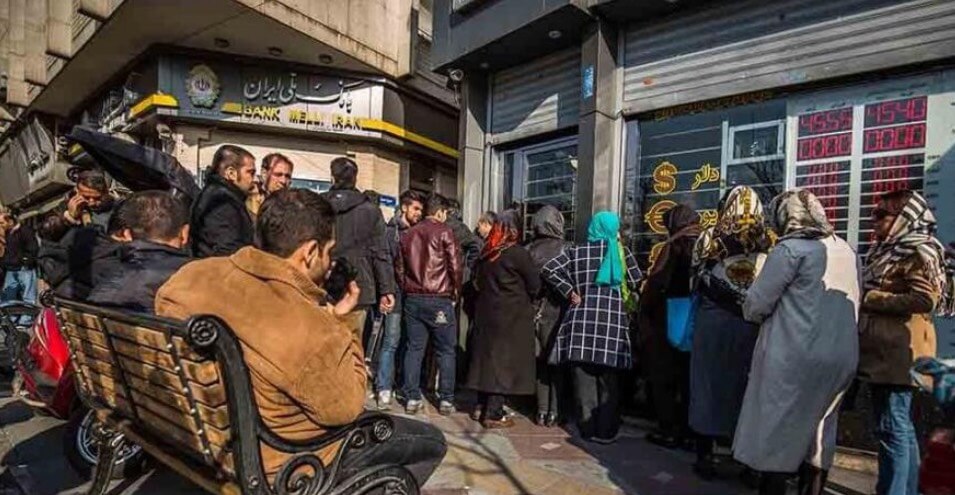
As sensitivities regarding the return of export currency to the market have increased with rising exchange rates in Iran’s market, reports indicate that dozens of companies, mostly state-owned and semi-state entities, have not returned approximately 5 billion euros of export currency to the country.
Rouhollah Izadkhah, a member of the Industries Committee of Parliament, said on Tuesday, August 5, to the online economics news website that out of a total of 3,500 companies that have not returned their export currencies, 75 “major” companies, mostly state-owned and semi-state entities, have retained more than 5 billion euros in currency and have not yet returned it.
This is while, with the decline in the value of Iran’s national currency, the exchange rate in Iran’s free market has increased sharply since the beginning of the current solar year, with each US dollar rising from approximately 15,000 tomans to more than 25,000 tomans. Of course, the dollar price declined slightly after a period of time.
With the increase in exchange rates, criticism of the Central Bank of Iran intensified; however, the Central Bank also attributed part of the problem to exporting companies not returning currency. Although the Central Bank was supposed to introduce currency violators and companies that did not return their currency to Iran’s market, out of 27 billion dollars of unreturned export currency, it has only identified the details of violators of 6 billion dollars.
The head of the Iran-Iraq Chamber of Commerce has also said that a large portion of exporters who have not yet returned their export currencies to the country are part of government-affiliated institutions, and for this reason their names are not disclosed.
In recent years, the Central Bank has obliged exporting companies to return the currency received from their exports through a designated system to the domestic foreign exchange market within at least four months due to severe exchange rate fluctuations; however, it has now become clear that even in conditions where Iran’s market desperately needs currency, mostly state-owned and semi-state companies do not return the currency from their exports to the country, including 75 “major” companies that have specifically not yet returned 5 billion euros in currency to the country.
In recent years, following exchange rate fluctuations, the government allocated billions of dollars at the rate of 4,200 tomans under the title of special currency for importing essential and basic goods to some companies and individuals. However, months later it became clear that these companies, which mostly had close relationships with the government and state institutions, either did not conduct imports despite receiving cheap currency, or imported miscellaneous and unnecessary goods in amounts far less than the currency received.
This widespread corruption in the foreign exchange market and government-affiliated institutions occurs while citizens in recent years have endured severe inflation and heavy economic pressure, and have repeatedly engaged in widespread protests in objection to economic inadequacy and problems.
The United States has repeatedly stated that Islamic Republic officials, instead of helping the economic situation of the people, are engaged in theft from the country and supporting their proxy groups in the Middle East.
Mike Pompeo, US Secretary of State, said on the occasion of the International Day Against Corruption: “The people of Iran have spoken clearly and loudly. They rejected forty years of corruption and abuse and demanded an end to theft and an end to choosing the interests of foreign actors over the interests of the Iranian people.”
The United States has also repeatedly condemned institutionalized financial corruption and the plundering of Iran’s natural resources by affiliates of the regime ruling the country, considering them among the main factors of Iran’s economic and financial problems. For example, recently Mike Pompeo, US Secretary of State, tweeted about Islamic Republic officials saying they were engaged in corruption instead of helping people.
Source: Voice of America