Amnesty International: Dozens Killed in Iranian Prisons by Government Officials
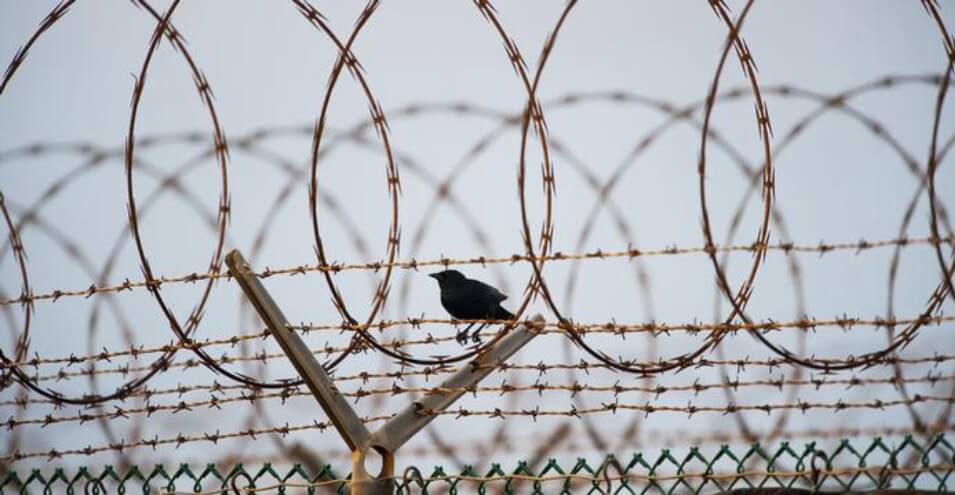
According to Amnesty International, dozens of people have been killed during the suppression of prisoner protests in Iranian prisons. The human rights organization states that the Iranian government, unable to protect prisoners’ health against coronavirus, should immediately and unconditionally release them.
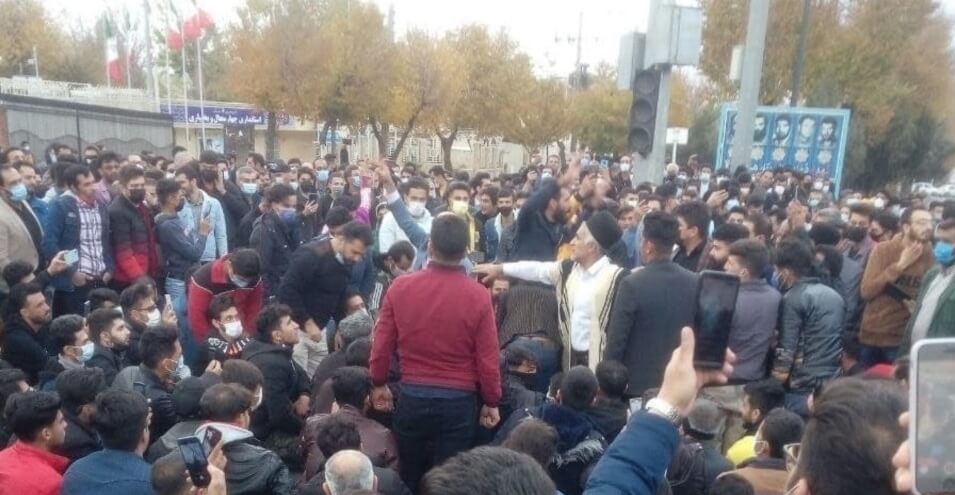
In recent weeks, protests have erupted in Iranian prisons over fears of coronavirus spreading in detention facilities, with government forces responding with force and violence.
The human rights organization “Amnesty International” released a report on Thursday, April 9, accusing Iranian authorities of killing approximately 36 people in Iranian prisons during the coronavirus epidemic.
In at least eight Iranian prisons, thousands of protesting inmates face the threat of coronavirus, with officials ignoring their plight. Instead of addressing prisoners’ grievances, prison administrators, with the help of security forces, brutally suppressed the protests, killing dozens and injuring many more.
Diana Al-Tahawy, Deputy Director of Amnesty International’s Middle East and North Africa Office, stated: “Rather than addressing prisoners’ legitimate demands, Iranian authorities are killing them to silence their voices of protest.”
She emphasized that ensuring prisoners’ health is a fundamental right and called for the establishment of an independent commission to investigate illegal abuses by Islamic Republic officials.
Amnesty International has called on the leaders of the Islamic Republic to immediately and unconditionally release all prisoners who were arrested solely for peaceful opposition and sentenced to long-term imprisonment.
The human rights organization emphasizes that thousands of people in Iranian prisons remain at risk of contracting COVID-19.
Protests Over Coronavirus Spread in Prisons and Their Violent Suppression
In recent weeks, with the spread of coronavirus, several human rights groups have reported cases of Iranian prisoners contracting the disease.
Many prisoners and their families have voiced protests. In several prisons, hunger strikes have begun. Many prisoners have protested that the Iranian government, despite being capable of protecting prisoners’ health, refuses to release most of them, thereby endangering their lives.
The human rights organization “Amnesty International,” based on verified reports of multiple instances of force used against prisoners on March 30 and 31, has revealed the facts.
According to reports, security forces, including in Sepidar and Sheiban, two prisons in Ahvaz, used force to suppress prisoner protests. In this regard, the commander of police in Khuzestan Province has acknowledged that members of the Islamic Revolutionary Guard Corps and armed Basij forces played a role in the violent suppression of protests.
Video posts circulated on social media show protests in the two aforementioned prisons and their violent suppression.
It is reported that following the protests, many prisoners have been transferred to unknown locations, possibly to prevent any sound of torture or killing from being heard.
According to families of inmates in Sepidar Prison, officials used tear gas and fired at prisoners to suppress the protests, injuring many and killing at least 15 people.
According to families of killed prisoners, they received the bodies of their relatives from the prison days after the protests, despite being told the inmates died from drug overdose.
In similar incidents at Sheiban Prison, according to sources of Amnesty International, over 20 people lost their lives.
Danial Zaynalabedin was one of those who died under mysterious circumstances in prison last week. He had been sentenced to death for a murder he committed before reaching the legal age of 18.
This young man participated in protests that took place in Mahabad Prison. After the suppression of protests, officials transferred him on March 30 to Miandoab Prison in West Azerbaijan Province. In a phone call on March 31 with family members, he reported mistreatment by officials and asked for their help.
On April 3, officials claimed in a phone call to Danial’s family that he had committed suicide in prison and asked the family to come to the prison to collect the body. The prisoner’s family rejected the officials’ claim, stating that the victim’s body was covered with wounds and injuries. After examining photographs of Danial Zaynalabedin’s body, Amnesty International is certain that he died as a result of torture.
Source: DW