New Wave of Coronavirus Outbreak in Iran and Possibility of Reimposing Restrictions
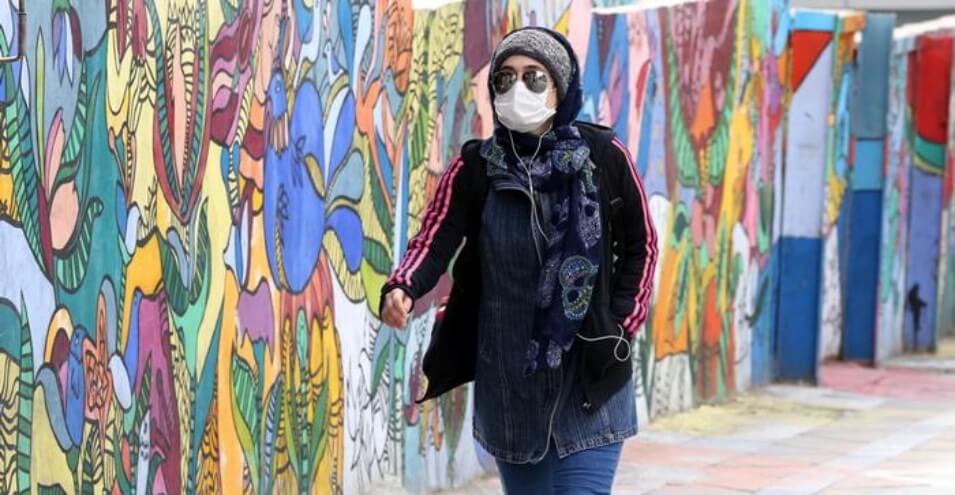
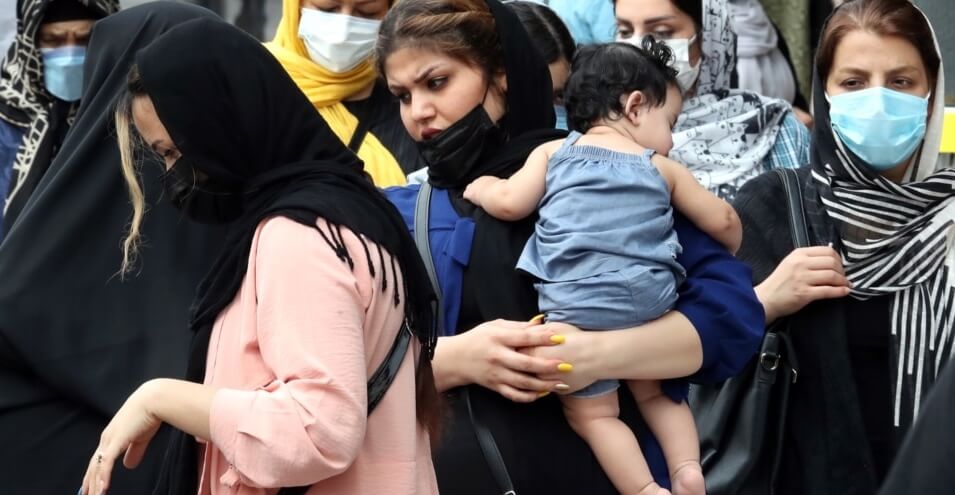
Tehran, Gilan, and parts of Sistan and Baluchestan are facing rising statistics of coronavirus infections. Rouhani said that if warnings are not taken seriously and the disease peaks again, restrictions will be reimposed.
The statistics are not good news, at least in some regions there is talk of a second wave of coronavirus outbreak. Dr. Minoo Mohraz, an infectious disease specialist and member of the national coronavirus task force committee, has stated that the number of patients visiting hospitals, particularly Imam Khomeini Hospital in Tehran, has increased.
He said “it can be said that a new wave of coronavirus outbreak has begun” and suggested that as public places and restaurants reopen, the number of infected people may increase further.
This specialist physician cited social distancing as the only way to prevent the spread of coronavirus.
Regarding the possibility of producing a coronavirus vaccine, Dr. Mohraz said: “No vaccine has yet been definitively produced worldwide, because vaccine production and obtaining approval will take at least six months to a year.”
The head of Gilan University of Medical Sciences has also announced that the number of hospitalized patients in this province has risen.
He attributed this to failure to maintain social distancing and asked people to continue using masks and gloves as they did in previous months.
The head of Gilan University of Medical Sciences said: “The prevalence rate of coronavirus in Gilan had a downward trend in recent weeks, but failure to maintain social distancing in recreational centers caused its spread to increase, which is a warning bell.”
The governor of Delgan in Sistan and Baluchestan province has also sounded a similar “alarm bell” for this city. Mojtaba Shojaei told ILNA, “We will likely witness more casualties in the coming days.”
He also said: “Markets, family gatherings, wedding celebrations, funeral processions, congregational prayers without maintaining social distancing, etc., have been centers of coronavirus transmission, and it is interesting that despite the dangers posed by these gatherings, people still resist preventing the formation of such centers.”
The governor of Delgan asked shopkeepers to keep the market quiet by keeping their shops closed, and asked people not to leave their homes except in cases of necessity.
He spoke of a group that “has moved beyond the boundaries of law and social ethics and by insisting on holding gatherings increases the risk of infection.” Shojaei said that this group should not be allowed to proceed with their activities.
Rouhani’s Threat to Reimpose Restrictions
Hassan Rouhani, Iran’s president, on Wednesday night (June 4) in a conversation with the health minister emphasized the need for continuous implementation of health regulations and asked people to avoid unnecessary travels.
He said: “The noble people of Iran should know that if in any part of the country these warnings are not taken seriously and, God forbid, the disease peaks again, officials will be forced to reimpose restrictions, which will both disrupt the normal life of citizens and cause serious economic damages to society.”
Rouhani also considered extensive information dissemination, particularly through radio and television as well as in cyberspace, important in securing people’s cooperation in observing health protocols.
Based on the latest statistics announced by the Ministry of Health until noon on Thursday, June 5, 164,270 cases of coronavirus have been identified in Iran.
The number of deaths from COVID-19 disease is 8,071 people.
In the past 24 hours, 3,574 new patients were identified and 59 patients lost their lives.
Source: DW