Iran’s “Thirteen Dar” in Shadow of Coronavirus Restrictions and Foreign Pilgrims in Qom
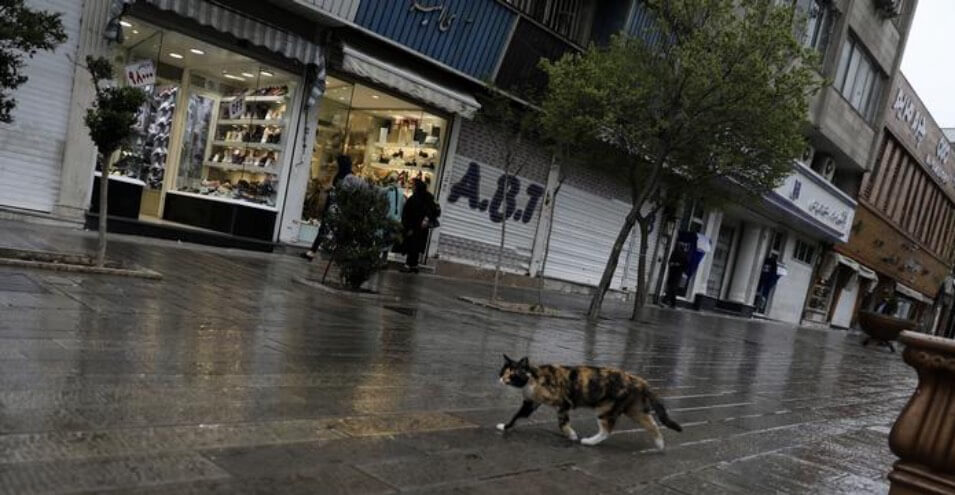
On the eve of April 1st (13th of Farvardin), the Ministry of Health announced a “decline in the trend of COVID-19 infections and an increase in confirmed cases.” Simultaneously with the extension of restrictions, a parliamentary representative criticized the lack of coordination among officials and said foreign pilgrims are still in the city of Qom.
More than two months have passed since the outbreak of coronavirus and the spread of COVID-19 in Iran. The Iranian government has been accused of not only delaying action in identifying the coronavirus but also falling short in managing the fight against the disease, adopting correct policies for public organization, and reducing human casualties, and lacking the necessary preparedness.
Offices of the Ministry of Health have simultaneously reported a decline in the trend of COVID-19 infections and an increase in the number of confirmed cases in the country. In this duality of fear and hope, the Iranian government extended restrictions and prohibitions until April 9th. At the same time, the death toll from this disease is increasing, and it has been said that non-Iranian pilgrims continue to circulate in the city of Qom and no action is being taken against them.
Increase in the Number of Confirmed Cases
Qasem Janbabayee, Deputy Minister of Health, on Tuesday, March 31st, while announcing that COVID-19 “shows a very slow declining trend,” said that the number of people with confirmed cases in the country is increasing.
The declining trend announced by this health ministry official is only in terms of “rates of visits, hospitalizations, and deaths,” and at the same time, the number of people whose diagnostic test results are positive is increasing every day.
According to the Ministry of Health announcement from yesterday afternoon until Tuesday, March 31st noon and according to “definitive diagnostic criteria,” 3,111 new COVID-19 patients were identified in Iran, bringing the total number of cases to 44,606. Also, 3,703 of these patients are in severe condition from this disease. In the past 24 hours, 141 patients died, and the total number of victims in the country has reached 2,898.
The representative of the World Health Organization sent to Iran said, upon returning from the country, that the statistics of people with this disease in Iran are higher than official figures.
“Inconsistent Decisions”
Hassan Rouhani, President of Iran, on Tuesday, March 31st, in a meeting of the National Coronavirus Management and Response Headquarters, announced the extension of restrictions until April 9th.
These restrictions include measures such as maintaining social distancing during essential travel, not visiting parks, limiting non-essential domestic and inter-city travel, and prohibiting vehicle entry and exit in major cities such as Tehran.
According to reports from Iranian media, Rouhani also announced that decisions regarding the conditions for resuming activities and operations of government offices and businesses in provinces will be made in the coming days.
Despite these government restrictions and warnings from the Ministry of Health in observing regulations, Aziz Akbarian, representative of Alborz province in parliament, on Tuesday, March 31st, told the ILNA news agency: “Unfortunately, we don’t have unified decision-making in fighting the spread of coronavirus. The head of Tehran’s coronavirus response command center announces that on Monday and Tuesday, no one should leave their home, but the governor says only parks are closed; well, with these inconsistent decisions, we cannot fight the disease.”
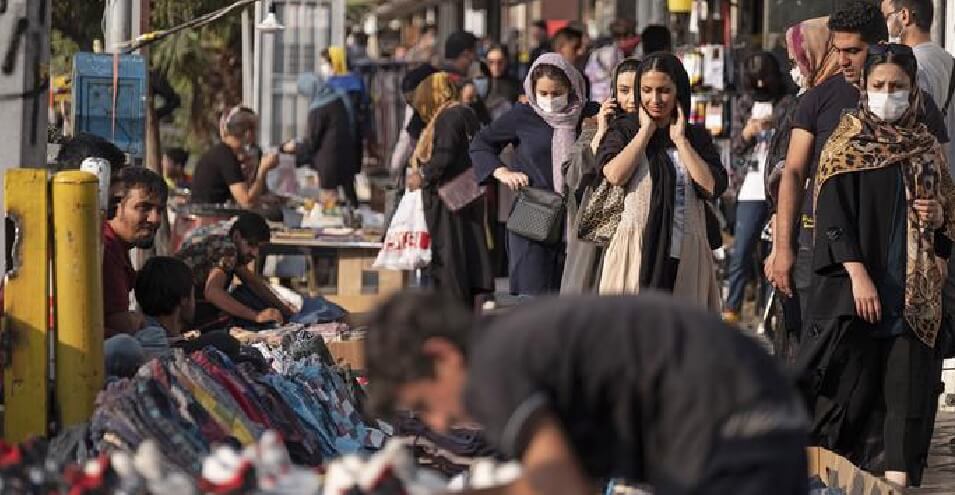
Simultaneously with the widespread outbreak of COVID-19, Iranian authorities asked people to stay home and avoid Nowruz travels to prevent the transmission of coronavirus to other cities. The first wave of Nowruz travels, however, took place, and the Ministry of Health is now concerned about increasing cases and deaths from this disease.
Foreign Pilgrims Circulating in Qom
Akbarian, meanwhile, reported neglect in the city of Qom and free circulation of foreign pilgrims. He told ILNA: “Today, foreign pilgrims still come and go in Qom! Something must be done about this problem because fighting a disease like coronavirus is not a joke.”
He, like some other members of parliament and some local officials of Qom, criticized the failure to quarantine the city and said that if Qom had been quarantined from the beginning and vehicles had not been allowed to leave the city, the coronavirus would not have spread.
Qom was the first city in Iran where cases and deaths from coronavirus were reported. The Ministry of Health claims that on February 19th and upon receiving the first reports of two deaths from an unknown coronavirus in Qom, it managed to identify and register this virus.
Earlier, Ahmad Amirabadi Farahani, Qom’s representative in parliament, had told domestic media that coronavirus was observed in Qom as early as the beginning of February. He even reported the number of deaths at close to 50 people within two weeks.
The Ministry of Health has not yet announced precise, broken-down statistics on cases and deaths from COVID-19 in Tehran, Qom, and Gilan provinces. Some members of parliament claim this is because the actual death toll figures are higher.
The Ministry of Health said it expects to observe some changes in the provinces in the coming days. This concern reaches its peak on the thirteenth day of Farvardin (April 1st). Authorities have asked people to spend “Sizdah Bedar” at home so that they can prevent the transmission and spread of coronavirus to others and avoid contracting COVID-19. At home, one can tie the sprouts as well.
Source: DW