Alcohol Became a Rival to Coronavirus; 57 People Died in Six Iranian Provinces
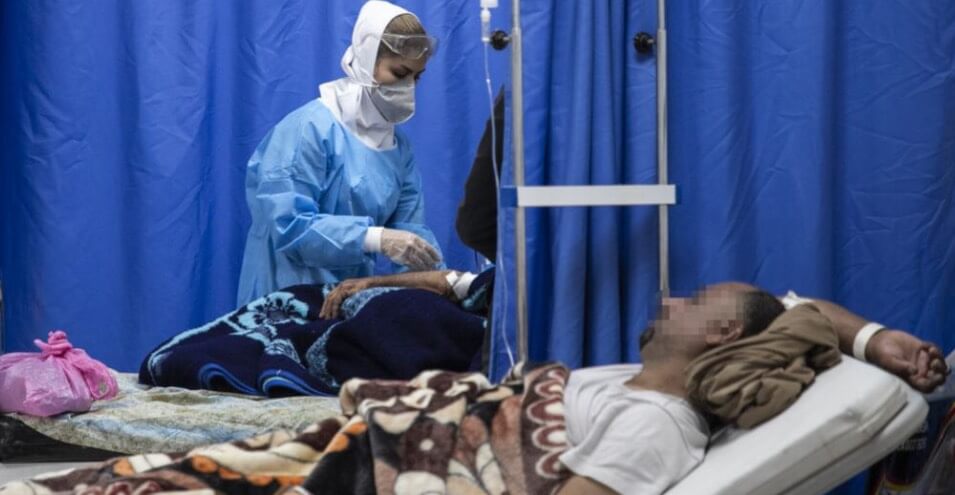
Reports published about alcohol poisoning in six Iranian provinces show that so far 57 people, who according to officials had consumed alcohol to combat coronavirus, have died.
Meanwhile, the worst situation is related to Khuzestan Province. In this province, the number of alcohol poisoning victims in the cities of Ahvaz and Ramhormoz has reached 36 people.
This number of victims, which will likely increase, was recorded while the number of people who died from coronavirus infection in Ahvaz was announced to be 18.
According to officials at Ahvaz University of Medical Sciences, these individuals had consumed or gargled alcohol to “prevent coronavirus infection.”
Meanwhile, it appears this was not the only cause of alcohol poisonings. In recent days in Iran, some profiteers have changed the color of methanol alcohol and sold it in place of ethanol alcohol.
Based on some opinions published on social networks, people who previously purchased ethanol alcohol for consumption were victimized by buying counterfeit methanol alcohols.
This situation is not limited to Ahvaz. In Tehran, Ardabil, Alborz, and Kurdistan provinces, two, three, seven, and six people respectively have died due to alcohol consumption. Death tolls in Kermanshah and Central provinces were announced as one and two people respectively.
Thus, the total number of people who have died so far from drinking alcohol has reached 57. The number of hospitalized people in these six provinces is currently announced as 460.
The first warnings about alcohol consumption were issued on March 1st. The deputy of Shahid Beheshti University of Medical Sciences in Tehran was among the first to warn about the distribution of methanol alcohol, saying a “major problem” had been created.
However, no one heeded this warning until March 7th when officials at Loghman Hospital in Tehran announced that alcohol poisonings had increased and several people had died.
As usual, “virtual space” was blamed and judicial officials and police claimed that rumors about consuming alcohol for disinfecting inside the body and preventing coronavirus infection circulated on social networks and caused the crisis.
The story of alcohol poisoning has not yet ended. The spokesman for Ahvaz University of Medical Sciences said on Tuesday, March 10th, that a “new wave” of alcohol poisonings had begun and “substances far more toxic and deadly than counterfeit drinks” were responsible for this wave.
The alcohol crisis started from the very first day when it was officially confirmed that two people in Qom were infected with coronavirus.
The first thing that became scarce and expensive in the market was alcohol pads, and later when the use of ethanol alcohol for disinfection intensified, the rush to produce alcohol and alcohol-based disinfectants increased.
The spokesman of Hassan Rouhani’s government promised on February 28th that the alcohol problem would be solved within a week. In this regard, the tariff for alcohol imports was set to zero, alcohol exports were banned, and in some cities, the removal of alcohol from the city and sending it to other cities was also prohibited. In some cases, such as Khuzestan Province, the matter even reached correspondence between the Minister of Industry and the Minister of Interior to solve the problem.
It was not just the government. The Foundation of the Oppressed, the Execution Headquarters of the Imam’s Order, and the Islamic Revolutionary Guards Corps, which are institutions under the supervision of the Supreme Leader of the Islamic Republic, announced that they had entered alcohol production lines in three shifts. In some cities like Ahvaz, seminarians also engaged in alcohol production so that alcohol could reach those seeking disinfectants as quickly and cheaply as possible.
Meanwhile, concerns about whether alcohol was impure or not and its religious ruling were also raised. Fatwas from religious authorities were published stating that all types of alcohol are pure but should not be consumed.
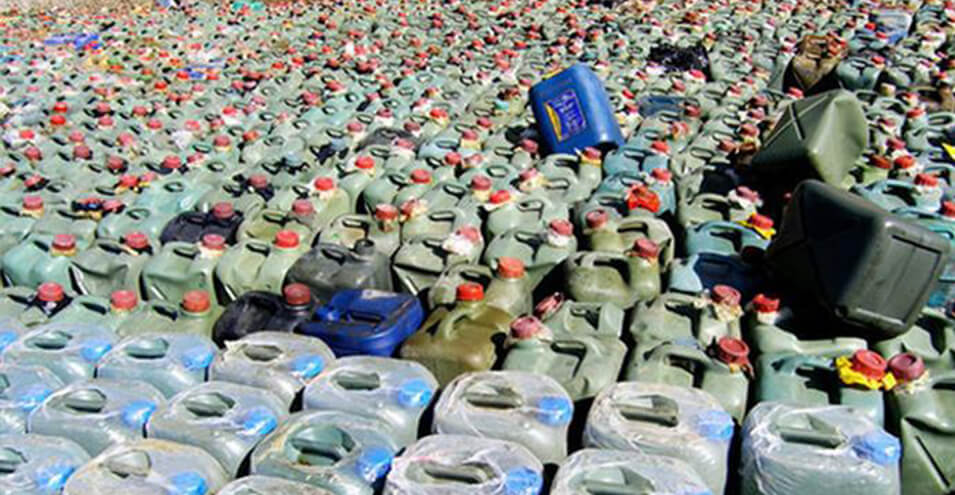
Another problem was the boom in “alcohol hoarding.” From the first week of March, news of the discovery of hundreds of bottles or thousands of liters of alcohol was published daily in the media. Moreover, the market for counterfeit alcohol sales also boomed.
People were desperately seeking ethanol alcohol for disinfection, and profiteers had learned the method. They added Javelle water, Whitex, or hydrochloride to yellow-colored methanol alcohol, changed its color, and sold it to people as ethanol alcohol.
The first court session of alcohol and disinfectant hoarders was held on March 7th, and a review of the news shows that at least 90 defendants in different cities have been arrested for hoarding alcohol, but reports of discovering hoarded alcohols continue to be abundant.
The increase in alcohol prices was another problem. According to a government decision, the price of 70 percent alcohol per liter was announced at 34,000 tomans, but on March 6th, the head of the Pharmacists Association announced that the price of alcohol in the black market had reached five times the official price.
These numerous complications have caused alcohol to become a rival to coronavirus in the past two weeks, both in creating crisis and in claiming victims.
Source: Radio Farda