Zali: Executive Officials Still Not Taking Coronavirus Lethality and Quarantine Seriously
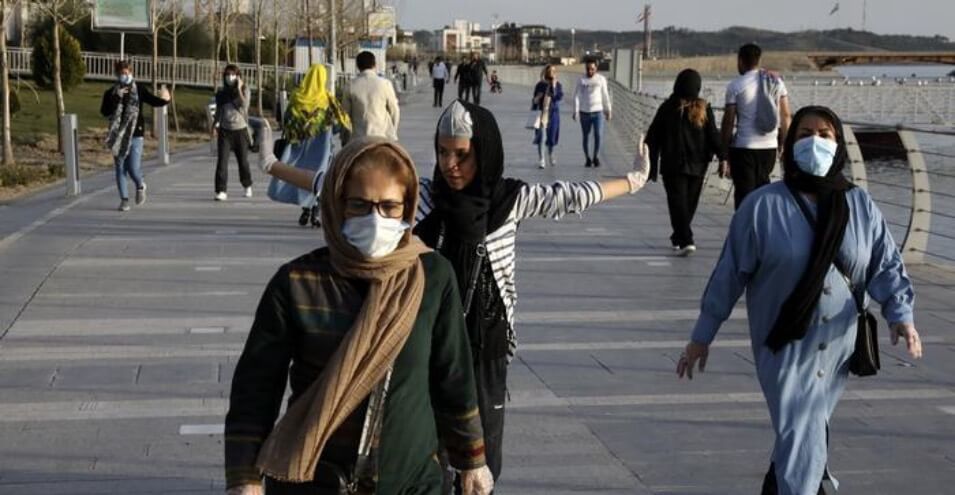
The operational chief of coronavirus management in greater Tehran criticized executive officials and people for not taking the lethality of coronavirus and quarantine warnings seriously. According to Zali, contradictions in decisions and lack of transparency have caused public distrust.
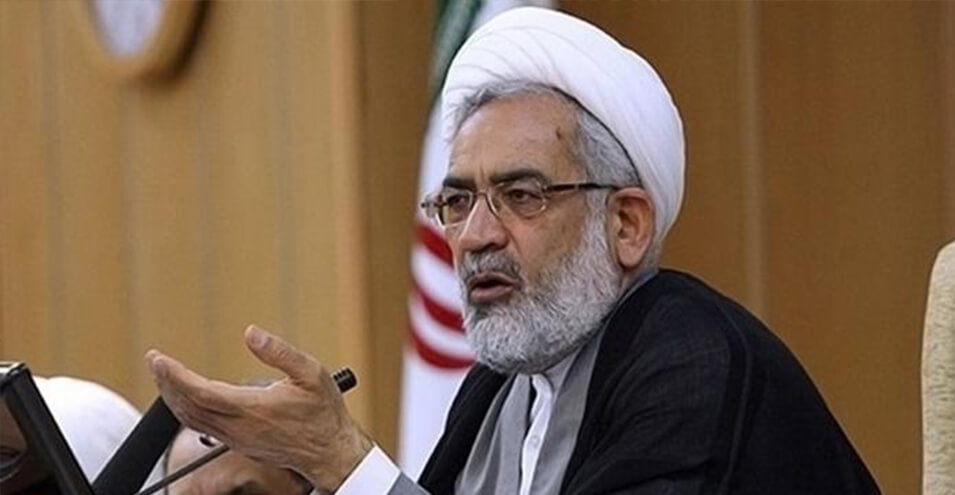
While Hassan Rouhani has openly opposed any type of quarantine, Alireza Zali, the operational chief of the coronavirus management headquarters in greater Tehran, considered the statements of “executive and administrative officials” of the country as evidence that they have not taken the lethality of the coronavirus seriously.
Mr. Zali, on March 16 (today), in an interview with ISNA, attributed people’s indifference to staying at home to contradictions in decision-making, failure to implement many resolutions of the Tehran metropolis headquarters, lack of administrative requirements readiness, and officials’ negligence, as well as people’s own indifference.
Acknowledging that Iran’s programs regarding informing the public and correctly conveying important and sensitive concepts about COVID-19 disease to people and officials have not been successful, he emphasized that “people should be spoken to honestly about epidemics.” He implicitly defended home quarantine and considered it one of the most important ways to prevent coronavirus infection.
Hassan Rouhani, the president, yesterday announced his opposition to any quarantine measures, saying: “We don’t have anything called quarantine. The fact that it has been rumored that some shops and businesses in Tehran or some cities are quarantined is not true at all. There is no quarantine today, not during Nowruz, not before and after it, and everyone is free in their business and activities.”
According to the latest official statistics from the Ministry of Health, 1,053 new COVID-19 patients have been identified in cities across the country since yesterday afternoon. With this, the total number of people infected with this disease across Iran has reached 14,991.
Among the newly identified patients, 129 people lost their lives, and the total number of COVID-19 deaths in the country as of today (March 16) has reached 853 people.
“Unjustified Cover-ups”
The Ministry of Health’s statistics are being released daily while some parliament members have said in the past three weeks that the death toll from coronavirus in Qom and Gilan is higher than the Ministry of Health’s figures. They accuse the government of not transparently and honestly sharing the real figures with people.
Zali, the operational commander of coronavirus management in the Tehran metropolis, today implicitly referred to this lack of transparency among officials and said that “people should not be excessively frightened and alarmed, nor should they be kept away from realities through concealing facts and indeed through unjustified cover-ups.”
Criticism of Contradictions
The failure to implement many resolutions of the coronavirus control headquarters in the Tehran metropolis and the confusion of employees and staff is another part of Mr. Zali’s criticisms, which has resulted in people facing “contradictory” decisions from officials, and according to him, “public trust” in officials’ statements is fading.
According to Fararu website, the head of Shahid Beheshti University of Medical Sciences considered one of the public’s complaints to be that if they need to stay home, what about their restrictive administrative regulations at their workplace.
According to Zali, the results of a survey showed that people complain that “when offices are not closed and they are forced to be present at their workplace, how can they stay home” and follow coronavirus prevention programs.
The operational commander of coronavirus management in greater Tehran also, while confirming that some prevention and control provisions against coronavirus in Tehran province have not been implemented, pointed to the danger to the lives of employees in 15 occupational groups, including female heads of households, who were supposed to be exempted from administrative duties, but are still forced to be present at their workplaces amid severe contamination conditions.
Officials Won’t Grant Leave
He, citing public contacts, said that “officials in administrations are not approving medical leave. Many officials in administrations based in Tehran have told their employees that we will not give you leave and you must work.”
Zali considered staying at home to require certain requirements that have not yet been met in metropolises like Tehran, and this has caused people to take to the streets to go to their workplaces; a coming and going that helps spread the coronavirus and becomes an excuse for this virus to continue claiming victims at least until the end of spring 1399.
Source: DW