UN: Iran’s Failure to Release Political Prisoners Amid Coronavirus Outbreak is ‘Regrettable and Concerning’
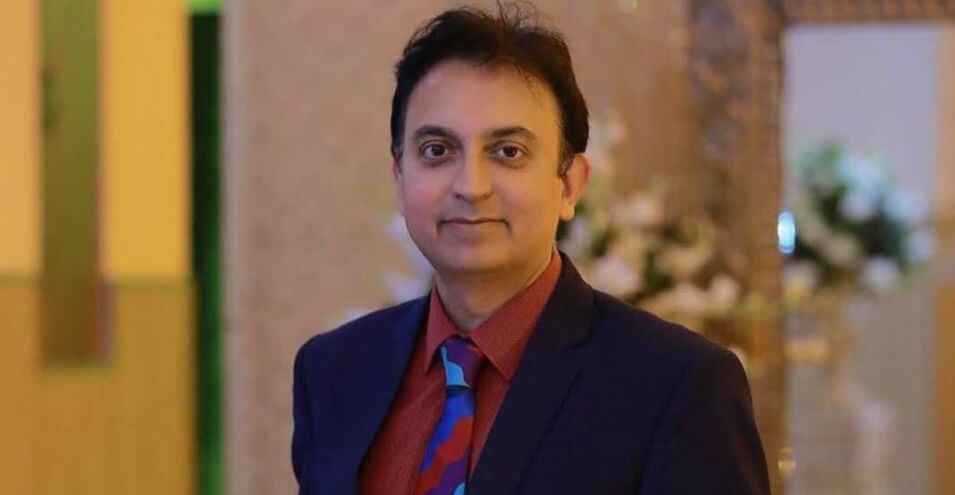
As the coronavirus crisis intensifies, the UN special rapporteur on human rights in Iran has described the conditions of political prisoners as “concerning” and called for the temporary release of detainees.
Javed Raman, UN special rapporteur on human rights in Iran, said on Tuesday, March 10, that he has requested Tehran to temporarily release all prisoners. He stated that the continued detention of political prisoners amid the coronavirus outbreak is “regrettable and concerning.”
The head of Iran’s judiciary said on Monday that the judicial system has temporarily released nearly 70,000 prisoners due to the coronavirus outbreak. However, Javed Raman states that only those with sentences of less than 5 years have been temporarily released, while those facing heavier sentences for participating in street protests and political prisoners remain in detention.
Raman said on Tuesday at a press conference in Geneva that a number of dual nationals, if not already infected, face a real threat of coronavirus infection, and their conditions are truly concerning.
Reuters notes that it is unclear whether Javed Raman’s statement refers to the temporary release of all prisoners in Iran or whether his request concerns only political prisoners.
Conditions of Political and Ideological Prisoners at Rajaee City Prison
Previously, a group of political and ideological prisoners at Rajaee City Prison issued an open letter to international bodies and human rights organizations expressing concern about the spread of the virus in the prison.
In the open letter, a copy of which was sent to Voice of America on Tuesday, March 3, by an informed source, it states that at least 100 political and ideological prisoners in Rajaee City Prison in Karaj have expressed severe concern about sanitary conditions inside the prison by writing an open letter to international bodies and human rights organizations, particularly the World Health Organization, seeking to prevent a potential deadly catastrophe from the spread of coronavirus inside the prison.
These prisoners, who have described conditions inside Rajaee City Prison as dire after observing symptoms of influenza in many detainees, state that movement and traffic continue as before, and guards who are in contact with the outside and could be virus carriers enter prison halls without wearing gloves or masks. Despite this, the prison organization, management, and officials have taken no measures to prevent the spread of this virus and related diseases inside the prisons.
Referring to inappropriate treatment by health officials of individuals showing symptoms such as influenza, they state that requests by these prisoners for masks, gloves, disinfectant gels, and alcohol have been repeatedly denied by prison officials, and no attention has been paid to their requests for sanitary facilities such as soap and detergents, which are insufficiently available inside the prison.
The prisoners stated in their open letter that although some prisoners, some of whom have only a few months left of their sentences, have requested leave and temporary release from prison authorities, no response has been given to their requests.
Previously, Voice of America reported, citing social media networks and human rights news agencies, that some prisoners, including Hengameh Shahidi, an imprisoned journalist, were urgently transferred to the health department of Evin Prison following deterioration of health and symptoms of coronavirus. According to available information, Amirhossein Moradi, one of those detained during November protests, was also transferred to an unknown location in Fashafuyeh Prison after contracting coronavirus, and some of his cellmates were transferred from Tehran’s Greater Prison to Yaft Abad Hospital.
Source: Voice of America