Warning to 7 Countries to Protect Iranian Journalists Abroad
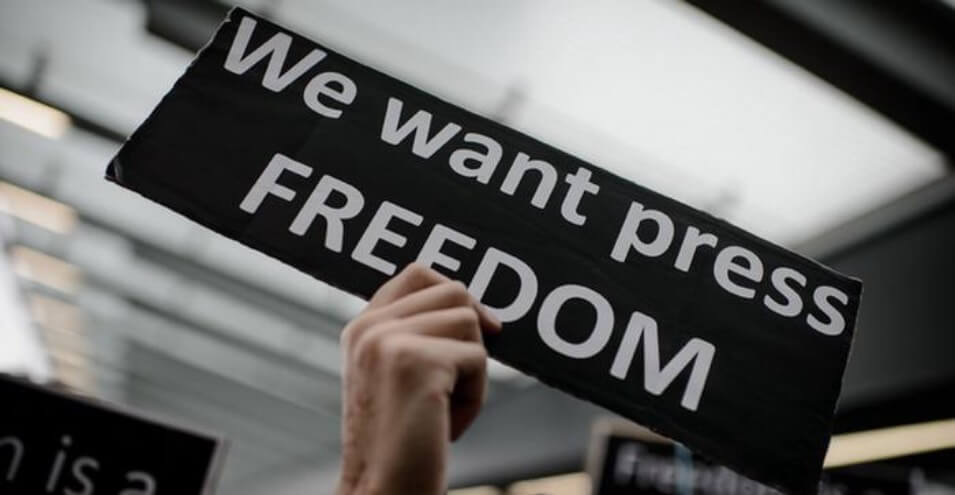
Reporters Without Borders has called on seven Western countries to protect Iranian journalists against pressure and threats from the Islamic Republic. The organization has reminded these countries that they bear the responsibility for protecting journalists residing within their borders.
Reporters Without Borders (RSF) issued a warning in an open letter addressed to the leaders of the United States and six European countries: “The Islamic Republic, by threatening journalists and media outlets outside the country, is threatening the fundamental freedom of information.”
The international media freedom organization warned France, England, Germany, the Czech Republic, the Netherlands, Sweden, and the United States—which host independent media outlets and Persian-language services of global networks—that the responsibility for protecting Iranian journalists within their borders “rests with you and stems from your commitment to international human rights standards.”
The letter states: “While media outlets inside the country face relentless pressure from the regime and lack the ability to cover the country’s most important events, including widespread popular protests, since the beginning of the November 2019 protests, threats against journalists working for Persian-language services of international networks such as Radio Farda, BBC, Voice of America, Deutsche Welle, Radio France Internationale, Radio Zamane, and private television networks Iran International and Man o To, as well as online newspapers Kayhan London and Iran Wire, have significantly increased in response to their global coverage of these events and continue to do so.”
Following the bloody crackdown on protest movements in November and the widespread dissemination of news and reports about these events on social media and foreign media outlets, Iran’s Ministry of Intelligence issued a statement on December 9, designating the activities of the Iran International satellite network and its associates as “cooperation with enemies of the Islamic Republic in terrorist activities,” and stating that based on this, “a ruling of commercial prohibition and confiscation of all assets of employees and associates within the country” has been issued by the judiciary.
In August 2017, BBC World Service Director Francesca Unsworth also disclosed that the Islamic Republic had placed 152 employees and former and current associates of the Persian-language section of the network on a “blacklist.”
Reporters Without Borders, citing these two examples, stated that the Islamic Republic of Iran seeks to destroy the last sources of free and independent information that many Iranians rely on.
Threats and Intimidation of Journalists and Their Families
The media freedom advocacy organization wrote to the leaders of the seven Western countries: “Many journalists working for these outlets are threatened in various ways. They face direct threats, cyberattacks, insults, and harassment on social media, and even threats of ‘abduction on the streets of London and transfer to Iran.’ Iranian authorities also harass and pressure the families of these journalists in Iran through summons and interrogations by security agencies, and then transmit these pressures to the journalists through emails or social media.”
Reporters Without Borders, providing specific examples of Iranian journalists residing abroad who themselves and their family members have faced pressure, threats, and intimidation, emphasizes that the organization has thus far documented more than 200 cases of threats and harassment of Iranian journalists abroad, including 50 cases of death threats against them.
RSF has called on the six European countries and the United States to “urgently” condemn the “dangerous measures” taken by the Islamic Republic against media freedom, and while supporting the fundamental freedom of information, to “ensure the physical and psychological security of journalists.”
Reporters Without Borders concluded by calling on journalists to report any threats from officials of the Islamic Republic to relevant authorities and judicial bodies in their countries of residence to facilitate prosecution, and also urges media owners and managers to “support their colleagues’ complaints despite pressures and without other considerations.”
The Islamic Republic has long been considered one of the world’s leading countries in suppressing media freedom and persecuting journalists and media professionals. In Reporters Without Borders’ 2019 World Press Freedom Index, Iran ranks 170th among 180 countries in the world.
Source: DW