Coronavirus Outbreak Has Deprived Iran of the Ability to Support Islamists
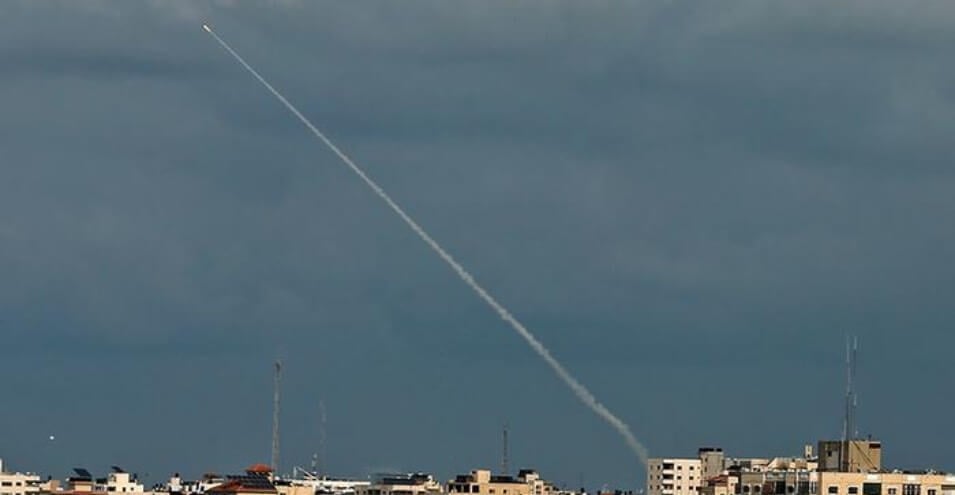
Iran’s battered economy has been so strained by the coronavirus outbreak that it has lost the ability to continue supporting Islamist groups. The Islamic Republic’s capacity to support and equip Palestinian groups in the Gaza Strip has been severely reduced.
Donald Trump, the United States President, describes the Islamic Republic of Iran as the world’s largest state sponsor of terrorism and considers one of the aims of intensifying sanctions to be drying up this country’s financial resources for these programs.
After more than three and a half months since the official confirmation of the coronavirus outbreak in Iran, it appears that the consequences for the crisis-stricken economy of the Islamic Republic have been such that Tehran has found itself in a difficult position to finance and equip its supported groups, including in the Gaza Strip.
Tal Leder, an NTV correspondent in Tel Aviv, said on Sunday, June 7 (June 18 in the Persian calendar), referring to this situation, that settlers near the borders of Gaza are experiencing a period of calm that they can scarcely remember.
According to this report, maintaining social physical distancing and washing hands with soap are guidelines that were not mentioned a few months ago but are now recommended in the coastal settlements of southern Israel just as they are in other countries.
Nevertheless, there are other directives in these areas that have an unpleasant effect on some foreign tourists: “Upon hearing the alarm sound, proceed to the nearest shelter within 15 seconds.”
Similar other directives also exist: “If you cannot reach a shelter in that time, lie on the ground next to a wall” or: “After an explosion, wait for 2 minutes and then leave the place where you have taken shelter.”
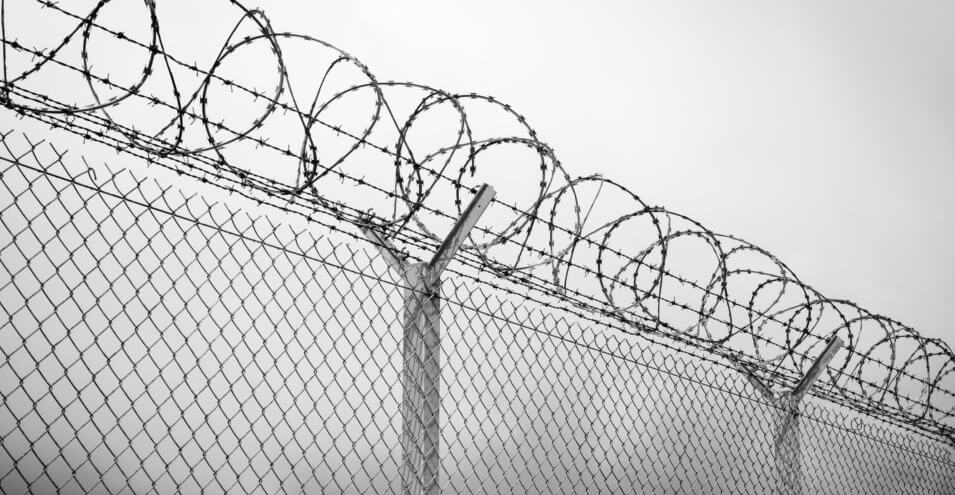
Such recommendations seem natural in areas where the border fence between Israel and the Gaza Strip is visible, especially since this metal fence is not an obstacle to rockets and artillery shells launched from the Gaza Strip toward Israeli border settlements.
Reduction in Rocket and Artillery Fire with Coronavirus Outbreak
Some residents of these areas say that since the coronavirus spread to the Middle East, the situation has become much calmer and Palestinian groups rarely fire artillery and rockets toward Jewish settlements.
Since Israel withdrew its forces from the Gaza Strip in 2005, and two years later the extremist Islamist Hamas took control of the area, launching rockets and artillery at Israeli border villages had become a daily occurrence.
This situation has changed quite noticeably with the coronavirus outbreak, and over the past three months, the number of rockets launched from the Gaza Strip toward Israel has decreased significantly.
According to the NTV news network in Germany, Israeli border villages attribute this calm to a crisis in a country from which, according to available evidence, Hamas forces would have completely lost their operational capacity without its support.
The Islamic Republic has long supported groups such as Lebanese Hezbollah and Hamas, which are on the Western list of terrorist organizations, both financially and in terms of equipment in order to confront Israel.
Iran, the Most Affected Middle Eastern Country with Coronavirus
But this country is now the Middle Eastern nation most affected by the coronavirus. According to statistics from Iran’s Ministry of Health, as of noon on June 18 (Persian calendar), 171,789 cases of COVID-19 have been identified in the country and 8,281 people have died from it.
Haydi Zilberman, spokesperson for the Israeli military, says that the Islamic Republic, which has placed the destruction of Israel at the top of its agenda, has been greatly weakened. He added: “Instead of addressing the problems of its own people, Tehran spends billions of dollars every year on exporting terrorism.”
Based on the assessment of an Iran expert at the Tel Aviv National Institute of Security Research, the economic consequences of the coronavirus crisis could in the long term force the Islamic Republic to reduce “financing of terrorist activities” in the region, and this reduction will be far greater than what American sanctions have caused.
Coronavirus as a Complement to Sanctions
He stated that the virus has dealt a severe blow to Iran’s industries, saying that American sanctions and the collapse in oil prices have confronted the Islamic Republic’s economy with an unprecedented recession, but the coronavirus outbreak can inflict considerable damage to sectors of the economy that have been less affected.
Previously, reports about the financial difficulties of Lebanese Hezbollah due to the Islamic Republic’s economic problems had been published. Hassan Nasrallah, the leader of this group, had said that all expenses and costs of Hezbollah, including the salaries of its members, as well as their weapons and equipment, are provided by Iran.
According to NTV, Hezbollah paramilitaries in Lebanon and their supporting groups have resorted to other means to finance the group, and have turned to expanding a drug trafficking network, with part of their needed weapons being procured through revenue from drug sales.
One of Israel’s concerns is the deployment of Revolutionary Guards forces and Iranian-backed paramilitaries near the shared borders of this country with Syria.
Israel seeks through targeted strikes to prevent the deployment of Iranian-affiliated paramilitaries in Syria’s border areas. It appears that at least in southern Israel, the coronavirus outbreak has caused a severe reduction in the operations of extremist paramilitaries.
Some observers believe that the spread of the coronavirus in the Gaza Strip could lead to a resumption of attacks on Israel. According to this assessment, if Hamas leaders who control the area fail to contain the virus and provide services to the people, they may increase attacks on Israeli settlements to hide their weakness and divert public attention.