Iran’s Power Plants Burned Six Billion Liters of Polluting Mazut Fuel in 2020
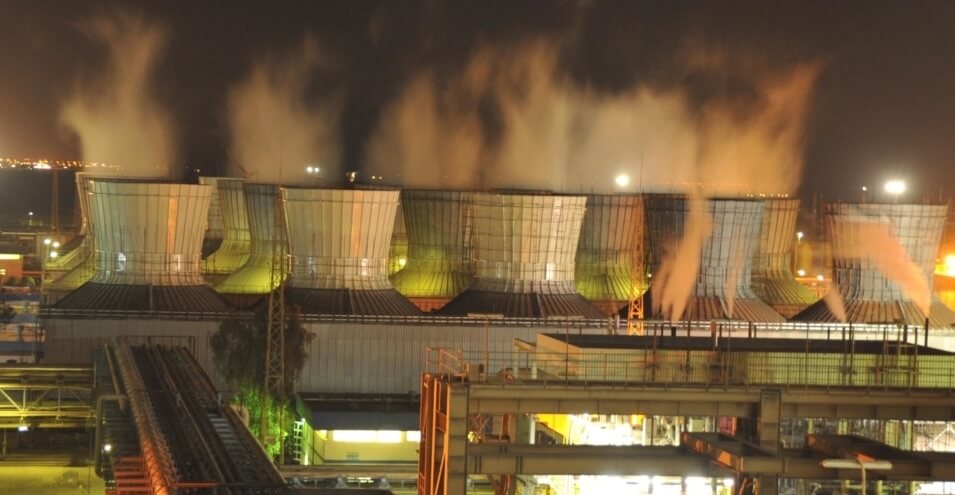
The Parliamentary Research Center announced in a recent report that the country’s power plants consumed six billion liters of highly polluting mazut fuel (fuel oil) last year, which represents approximately 62 percent growth compared to 2017.
Statistics from the research center show that the government has continuously increased mazut and gasoil consumption in the power generation sector since 2017.
The peak consumption of mazut in power plants in autumn of last year led to severe air pollution in major cities across the country.
The Ministry of Power stopped releasing any statistics on fuel consumption in power plants from early 2019 and in recent weeks even removed the official website and data related to the country’s electricity and water industry from public access.
The Ministry of Oil and Bijan Namdar Zanganeh, the oil minister, continuously denied the issue of burning mazut in power plants last year, but after increasing criticism and confirmation by the Environmental Protection Organization, Mr. Zanganeh finally announced in December of last year that “we have no choice but to use mazut fuel in power plants.”
Based on the latest statistics from the Ministry of Power, approximately 3.7 billion liters of mazut were consumed in power plants in 2017, but this figure increased to six billion liters last year.
Additionally, gasoil consumption in power plants during this period increased from less than five billion liters to approximately 11 billion liters.
The consumption of 17 billion liters of polluting liquid fuel in power plants comes at a time when the government had announced in 2017 that it would stop using these fuels in electricity generation.
New statistics from BP show that in the past year, one quarter of Iran’s electricity was generated in power plants that use gasoil and mazut as fuel. Slightly more than 66 percent of Iran’s electricity came from gas fuel, two percent nuclear, 6.5 percent hydroelectric, and half a percent renewable (wind and solar).
According to this report, Iran emitted 680 million tons of carbon dioxide greenhouse gas last year and was the sixth largest emitter of greenhouse gases in the world. These gases are the main cause of air pollution and global warming.
Iran faces natural gas shortages during cold seasons and uses polluting fuels such as gasoil and especially mazut in power plants. Additionally, the sulfur content of Iran’s domestically produced mazut is seven times higher than international maritime organization standards and has been banned for use in ships since the beginning of last year, forcing Iran to consume this highly polluting fuel domestically.
The Parliamentary Research Center states that one third of the country’s toxic sulfur dioxide gas emissions come from the country’s power plants.
Source: Radio Farda