Assyrian Christian Citizen Killed in Fardis, Karaj During Protest Gatherings
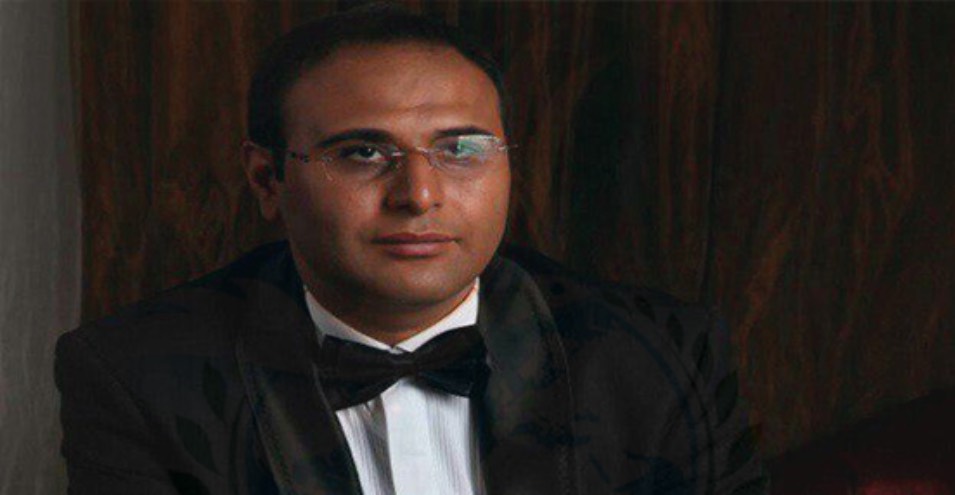
In recent days, during protest gatherings organized by citizens to demonstrate against a 50 percent increase in gasoline prices and the expansion of economic hardships, Ashoor Kelta, an Assyrian Christian citizen residing in Fardis, Karaj, lost his life following direct fire by law enforcement and security forces.
According to a report by Human Rights in Iran, on Sunday, November 20, 2019, Ashoor Kelta, an Assyrian Christian citizen from Urmia, residing in Fardis, Karaj, born on February 4, 1981, lost his life during widespread protest gatherings held in Fardis, Karaj simultaneously with other Iranian cities in protest against gasoline price increases, following violent conduct and the use of firearms by security forces and direct fire from their weapons.
According to an informed source speaking with a Human Rights in Iran reporter, on Sunday evening, when the protest gatherings reached their peak, Ashoor Kelta, a 37-year-old Assyrian Christian citizen residing in Fardis, Karaj, was fatally shot when law enforcement fired directly at protesters, with the bullet striking him at that very moment.
Human Rights in Iran reported on November 17-18, 2019, in three separate reports about the killing of at least 22 citizens during these protest gatherings; however, the important point is that given the lack of transparency in the free flow of information in Iran and widespread suppression of freedom of expression and internet shutdown, the security environment prevailing in the country certainly indicates that the number of citizens killed in this round of protests is far greater than these figures.
Moreover, considering that the internet has been blocked in Iran for the past four days by order of the Supreme National Security Council of the Islamic Republic, Iranian security and judicial authorities, despite having all statistics and names of killed individuals, while denying the large number of citizens killed in these protest gatherings, only reported one death in Sirjan, one in Shahriar County, one in Islamshahr, two in Boomehen, and one in Malard!
During this round of protest gatherings that began on Friday, November 15, 2019, following the announcement of a 50 percent increase in gasoline prices in Iranian provinces and cities, many protesting citizens were violently suppressed by security and law enforcement forces, including the use of firearms and direct shooting at citizens from the rooftops of government buildings, resulting in the killing and wounding of many protesting citizens.
Amnesty International, on November 28, 2019, published a statistical report on the number of deaths in these protest gatherings and announced the figure as 106 people in 21 Iranian cities.
This international human rights organization stated in its report that it believes the number of deaths is higher than the figure it has announced. Previously, in some unofficial reports, the death toll had been reported as 200 people.
The spokesman for António Guterres, Secretary-General of the United Nations, while expressing concern about the current situation in Iran, stated: “The UN Secretary-General is deeply concerned about clashes between protesting citizens and security forces in Iran and is profoundly saddened and dismayed by the deaths of many citizens in Iran and is following these protest gatherings.”
Also, Michelle Bachelet, UN High Commissioner for Human Rights, while expressing concern about the escalation of violence in Iran by security forces against citizens, stated: “We are deeply concerned about violations of international laws and standards regarding the use of force, including the firing of military ammunition against protesters in Iran during the protest gatherings that began on Friday and continued through this week, causing a significant number of deaths across Iran.”
It should be noted that the National Iranian Oil Products Distribution Company announced the rationing and price increase of gasoline without prior notice and stated that this decision was made as a resolution of the Supreme Coordination Council of the Three Branches of Government in Iran’s administration. Based on this, rationed gasoline with a 50 percent increase was offered at 1,500 tomans per liter, and free gasoline with a three-fold increase at 3,000 tomans per liter, and after that, widespread protest gatherings began in cities across the country. Concurrent with the formation of widespread protest gatherings and following the use of military bullets and firearms by security forces, more than 100 citizens lost their lives. An important point is the statistics presented on the deaths, which, given the lack of access to free flow of information in the country, the number of deaths in these protest gatherings is far greater than these figures.
The increase in gasoline prices was announced while previously, on November 12, 2019, Bijan Namdar Zangeneh, Iran’s oil minister, simultaneously with announcing the discovery of a new Iranian oil field, dismissed reports of gasoline price increases in the current year as rumors and said: “Whenever we are ordered and instructed, we will inform the people.”
Judicial and security officials’ use of attributing citizens’ protest gatherings, which demand their civic rights, to issues rooted in the mismanagement of judicial, security, and government officials over the country, has been evident in the discourse and statements of these individuals for years, because for the Islamic Republic government, which strongly pursues the suppression of freedom of expression and citizens, massacre, beating, and arrest have become ordinary matters.
While many citizens were killed and wounded in these protest gatherings and countless other citizens were arrested by security and law enforcement agencies, Ibrahim Raisi, head of the Judiciary, on November 3, 2019, while attending a meeting of the Supreme Council for Human Rights in the Islamic Republic, which was held in the presence of Ali Shamkhani and Gholamhossein Mohseni Ejei, two other senior members of the Judiciary and the Supreme National Security Council of the Islamic Republic, referred to the Islamic Republic government as a government that has fundamental structural alignment with the principles of human rights!
Also, Ayatollah Khamenei, the leader of the Islamic Republic, has repeatedly claimed in his statements that no citizen in Iran is prosecuted and arrested merely for criticism, which demonstrates the truth of the matter regarding suppression and the expansion of the security atmosphere in Iran and indicates that the rulers of the Islamic Republic are masters of sophistry, fallacy, and misinterpretation.
Previously, on November 7, 2019, members of the Human Rights Headquarters of the Judiciary of the Islamic Republic, who attended a subsidiary session held on the sidelines of the UN Human Rights Council session, denied the unlawful conduct of the judicial apparatus governing Iran and extensive cases of human rights violations in Iran. In this session, attended by Mohammad Javad Larijani, head of the Human Rights Headquarters of the Judiciary of the Islamic Republic, and his companions, while defending and presenting violations of human rights in Iran as legal, they denied many cases including the widespread deprivation of citizens of the right to fair trial, the existence of torture in Iranian prisons, suppression of freedom of expression, suppression of followers of other religions in Iran, as well as suppression of ethnic minorities in Iran, and considered the documented reports of Javid Rahman, the Special Rapporteur on human rights with regard to Iran, as unrealistic.
Suppression, beating, and arrest of citizens and prevention of protest gatherings to demand their civic rights are among the clear examples of suppression of freedom of expression and violations of international human rights documents, Article 19 of the Universal Declaration of Human Rights and also Article 19 of the International Covenant on Civil and Political Rights adopted on December 16, 1966, which emphasizes the right of individuals to publish their thoughts and opinions without geographical restrictions.
Source: Human Rights in Iran