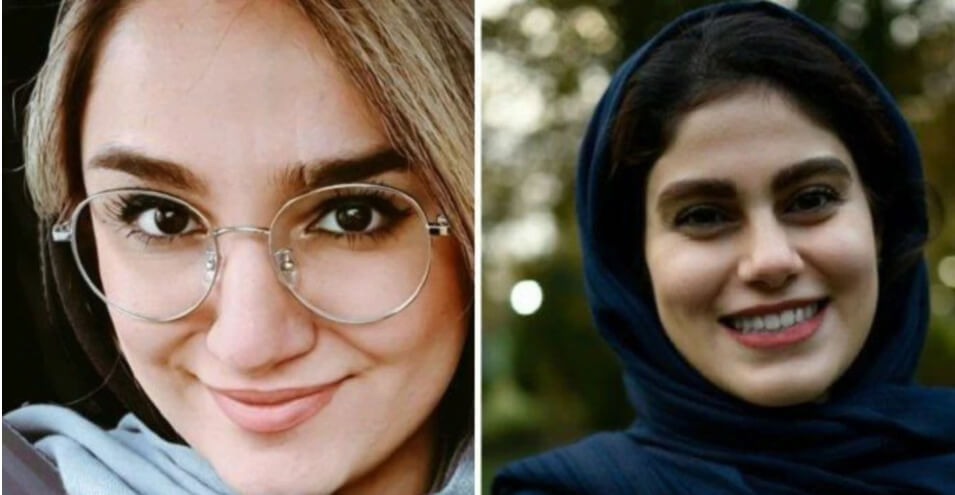
Poya Bakhtiari’s Grave “Under Siege by Security Forces”
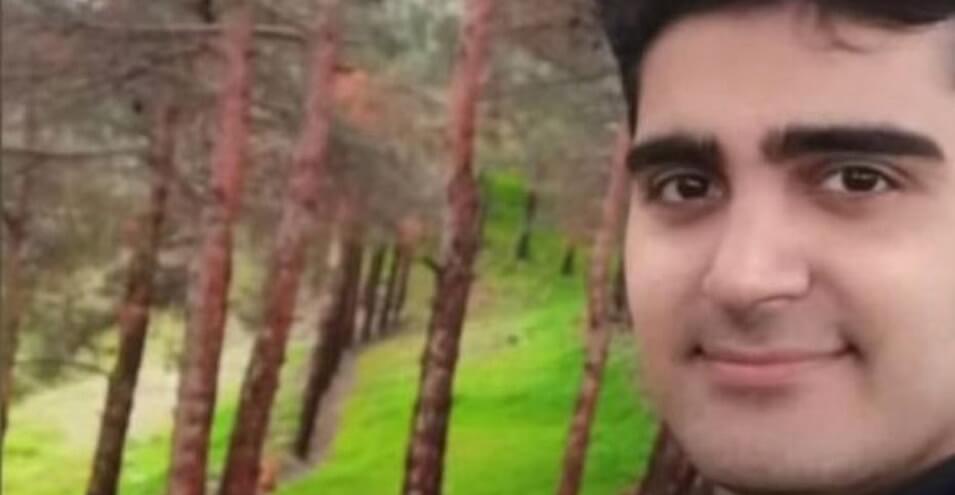
Family members of Poya Bakhtiari told DW Persian that the burial site of this victim of November protests at Behesht-e Sakineh cemetery in Karaj is completely “under siege.” Some have visited Poya’s grave “in the presence of security officers” and were then escorted to their vehicles.
According to Poya Bakhtiari’s relatives, non-detained family members attempted to hold a memorial ceremony for this November protest victim at Behesht-e Sakineh cemetery in Karaj, but have been unable to do so due to the “complete siege” of section 26 of the cemetery by security forces.
Monoochehr Bakhtiari and Nahid Shirbishe, the parents of Poya Bakhtiari who was shot and killed by security forces on November 16 in Mehr City, Karaj, had announced before their arrest that contrary to the wishes of Iranian intelligence agencies, they would hold their son’s forty-day memorial ceremony today, Thursday, December 26, at Behesht-e Sakineh cemetery in Karaj.
Bahman Sadeghi Noor, the cousin of Nahid Shirbishe, Poya Bakhtiari’s mother, told DW Persian: “The Islamic Republic’s security forces have arrested the main members of the Bakhtiari family and have severely pressured non-detained members. The remaining family members went to Behesht-e Sakineh cemetery to hold the ceremony.”
However, members and acquaintances of the Bakhtiari family told Mr. Sadeghi Noor that security forces “have closed section 26, the section where Poya’s grave is located, and have set up a police cordon.”
According to Bahman Sadeghi Noor, Monoochehr Bakhtiari’s mother, his sisters and Nahid Shirbishe’s brothers are among those who went to Behesht-e Sakineh cemetery along with several other friends and family acquaintances to hold the ceremony.
At the Grave “With Officers Present”
Mr. Sadeghi Noor and his wife also say that apparently some of Poya Bakhtiari’s relatives were only allowed to visit the grave “in the presence of security officers” and were then escorted to their vehicles without being given the opportunity to gather or hold any ceremony.
Mr. Sadeghi Noor’s wife told DW Persian: “Two of Poya’s relatives contacted me and said they were only able to visit Poya’s grave in the presence of security officers, and they were accompanied by the officer all the way to their car. In this way, they did not allow the holding of anything like a ceremony.”
Forty-Day Ceremony Under the Shadow of “Threats”
According to Bahman Sadeghi Noor: “As Poya’s grandmother also said, the forty-day ceremony for Poya will be held even if all family members are arrested. Even if they don’t allow us to hold the ceremony at home, we will hold Poya’s ceremony and the ceremonies of other Poyas wherever possible. Even if it extends into the night and we have to find a time and place away from security forces, the ceremony will be held.”
This member of the Bakhtiari family emphasizes: “Many friends who are connected with Poya’s family and consider themselves as comrades with Poya and others like him have contacted the family and gone toward the cemetery. But holding the ceremony and their participation in it depends on government pressure.”
Mr. Sadeghi Noor also reported “threats” against non-detained members of the Bakhtiari family, saying: “Intelligence officers have warned non-detained family members that you have no right to hold a ceremony, and they have also warned me and my family in Iran that we should not continue, and with a threatening tone said that your efforts are futile and you will pay a greater price.”
“It’s As If There Was a War Here”
Bahman Sadeghi Noor’s wife, emphasizing the “highly securitized atmosphere” at Behesht-e Sakineh cemetery, says: “Section 26 of Behesht-e Sakineh is completely under siege. A friend wrote to me that it’s as if there was a war here.”
Simultaneously, DW Persian’s social media users have also confirmed the “highly securitized atmosphere” and blockade of section 26 of Behesht-e Sakineh through messages. These users have also reported internet outages or severe restrictions in their messages, including in cities such as Mashhad, Shiraz, Ahvaz, Dezful, Kermanshah, Sanandaj, Nesim Shahr, Rasht, Hashtgerd, Tabriz, Islam Shahr, Foolad Shahr and Pakdasht. Some users have also written that connecting to VPNs “especially on iPhone” has become impossible.
Some messages also indicate a strong presence of security forces in Tehran, including in “Fatemi, Valiasre, Haft-Teri squares and even small squares and side streets” and patrols of “plainclothes Basij and Revolutionary Guard forces” in these Tehran areas.
Recently, a number of mothers of those killed in political and civil conflicts over the past four decades in Iran, including Nahid Shirbishe, mother of Poya Bakhtiari, issued a call announcing: “December 26, coinciding with the fortieth day of our children’s deaths, we declare as an international day to pay tribute to November victims, and we will hold memorial ceremonies and observe one minute of silence. Or in whatever way we can, we will honor the memory of our loved ones and condemn these crimes.”
Poya Bakhtiari’s parents, however, were arrested early Tuesday morning along with several other members of this November protest victim’s family by intelligence officers.
Reuters news agency two days ago, citing three sources close to the Islamic Republic’s leader’s circle and another government official, put the death toll from recent protests at “around 1,500 people.” Islamic Republic officials denied this figure, but at the same time, despite more than forty days passing since the start of the protests, have maintained complete silence on the death toll. Amnesty International in its latest report put the number of victims at “at least 304 people,” but emphasized that the actual number could be far higher.
Source: DW