Coronavirus Crisis: Double Danger for Migrants Without Residence Permits
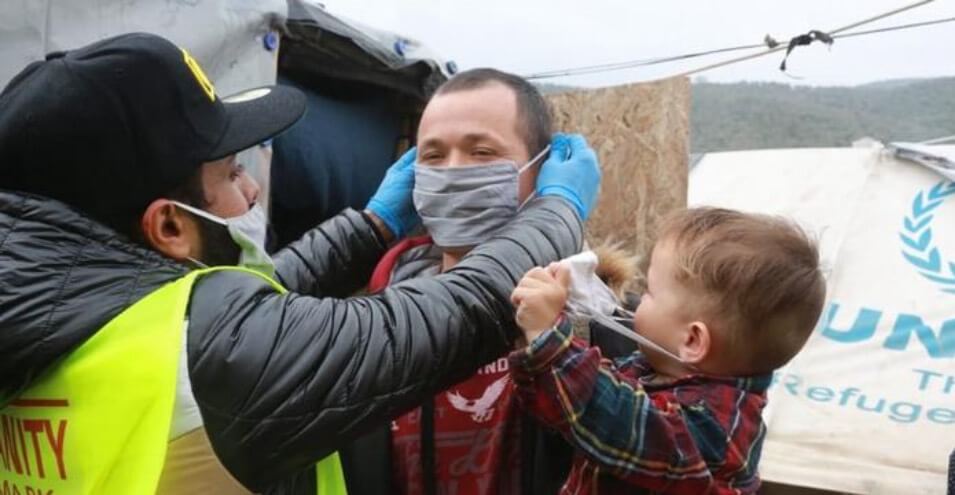
The coronavirus outbreak has brought new challenges for migrants whose residence status is unclear. Some migrants, despite being ill, refrain from seeking medical care due to fears of deportation.
In most major German cities, charities and human rights activists have set up facilities to treat people whose residence status is unclear or who do not have valid identification documents.
At Diakonie Hamburg hospital, affiliated with the evangelical church charity, there is a special ward for residents without valid identification documents and residence permits, where patients’ identification and residence documents are not checked upon admission.
This situation continued until mid-March and the beginning of the widespread outbreak and peak of COVID-19 in Germany, and has now changed.
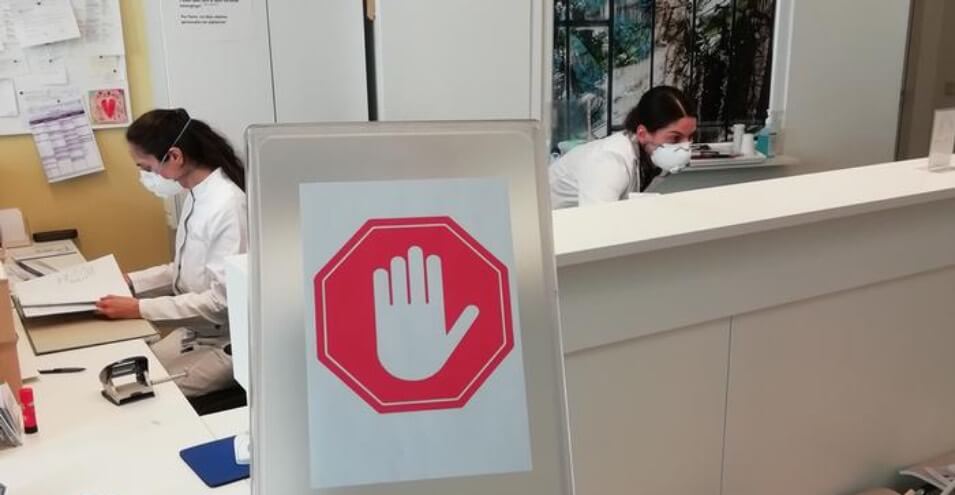
The emergency admission ward of this hospital is currently not operational, and in the waiting room where 20 to 30 people were present before the coronavirus outbreak, now no more than six people are allowed entry, and they must have previously scheduled an appointment.
Maike Jansen, one of the doctors at Diakonie Hamburg hospital, is concerned that many migrants without residence permits will be deprived of medical services. She tells Deutsche Welle that counseling centers that referred patients without documents to medical facilities have severely reduced or completely stopped their activities.
PICUM, an international network of non-governmental organizations, emphasizes that people without residence permits, who are considered vulnerable groups, should not be neglected.
The organization warns: “The COVID-19 pandemic reminds us that we need universal healthcare that includes marginalized people in society to ensure public health.”
Hundreds of thousands with unclear residence status
In Germany, the number of people with unclear residence status is estimated between 200,000 to 600,000 people. Most of them are employed in the service sector with meager wages.
The international network of non-governmental organizations says these are people who care for our elderly and children, clean homes and offices, cook in restaurants, serve us, and build our buildings.
Many of these people continue to work even during illness because most of them lack health insurance. Most of these people have lost their income during the coronavirus outbreak.
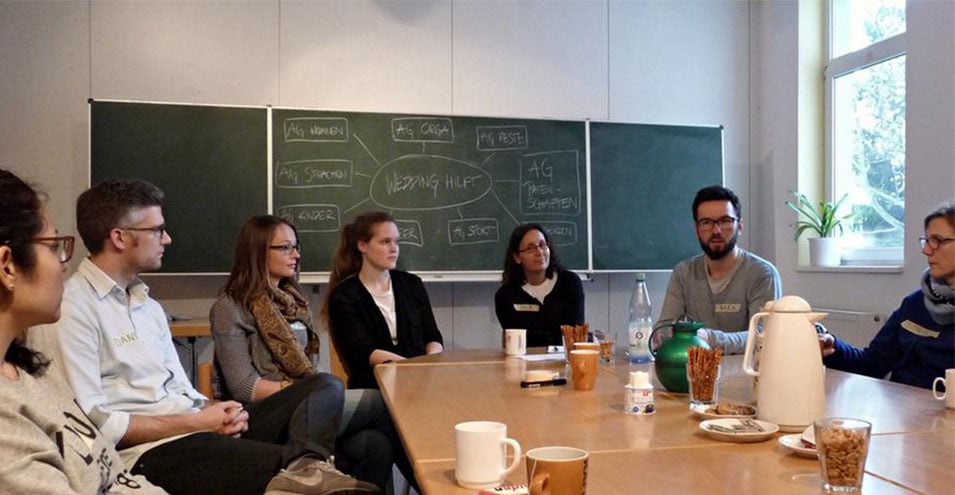
The World Health Organization emphasizes that people living in poor conditions should also have access to health services. Advisory groups of non-governmental organizations, such as the group affiliated with the evangelical church charity in Hamburg, believe this is a government responsibility.
At the beginning of the new coronavirus outbreak in Germany, almost no information was available in languages other than German to citizens.
Klaus Wallraff, a colleague at an institution that provides services to uninsured people in 20 countries, says that at the beginning of the coronavirus crisis, many counseling centers had to severely reduce or completely stop their services.
He says one reason for this is space limitations given the need to maintain physical distance, and another reason is that many volunteer colleagues of the institution are elderly people who are considered vulnerable groups.
Examination and treatment for everyone
In March, more than 40 civil society organizations sent an open letter to Germany’s crisis management headquarters calling for “immediate emergency measures” to cover the costs of examination and treatment of COVID-19 for “all citizens.”
These organizations asked the coronavirus crisis headquarters to do this anonymously if necessary and prohibited the transfer of patient information to the immigration office.
The German government has not responded to this letter so far, and no changes have been observed in the provision of information about foreign patients to the immigration office.
Some observers believe that the fears of illegal immigrants can lead to their reluctance to seek medical care despite showing signs of coronavirus infection, which both endangers their health and increases the likelihood of virus transmission to others.
Recently, 27 left-party representatives in the German Parliament (Bundestag) announced in a statement that people without valid residence permits are also part of German society and called for assistance to them to combat coronavirus and general amnesty for all those living illegally in the country.
According to the list of the American Johns Hopkins University, by Wednesday afternoon, May 15, more than 173,540 cases of coronavirus infection have been identified in Germany, and 7,780 people have died from COVID-19.