British Churches at the Forefront of Supporting Refugees; Government Opens New Path for Safe Settlement

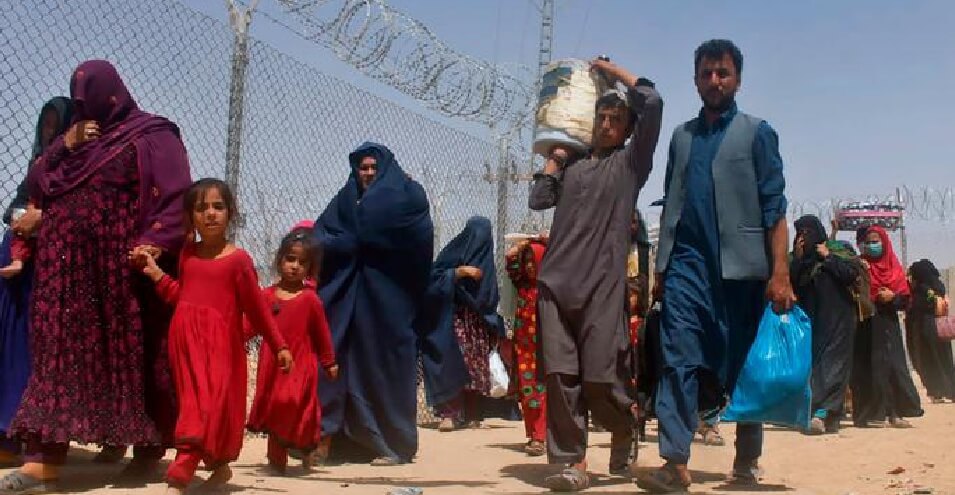
The British government, by introducing a new scheme to create legal and safe pathways for refugee entry, will allow churches, universities, and local groups to act as official refugee sponsors. Designed with inspiration from Canada’s successful model, this program will begin this autumn and aims to support “genuine refugees” while combating abuse of the asylum system. For the Christian community, this scheme could represent an unprecedented opportunity to turn faith into action and provide direct support to individuals who have fled war, persecution, and religious persecution.
The British government has announced that from this autumn, a new pathway for accepting refugees through “Community Sponsorship” will be launched; a model inspired by Canada’s decades of experience and based on the direct participation of civil society and religious institutions in resettling and integrating refugees. Under this program, churches, universities, and other trusted organizations can take on the responsibility of supporting selected refugees and play a role in finding housing, employment, and their integration into British society.
Yvette Cooper, Britain’s Home Secretary, while introducing this package of migration reforms, emphasized that her country has always been a refuge for those fleeing war and persecution, but added that the sustainability of this system depends on public confidence in its being “fair, controlled, and not open to abuse.” She also stated: “I will open new legal pathways for genuine refugees, while closing the routes to abuse that have been exploited time and again.”
She further added: “Britain has always been a sanctuary for those fleeing war and persecution. But this system will only remain sustainable if people trust that it is fair, controlled, and not open to abuse.”
According to details released, the British government will continue to be responsible for security and legal screening of applicants, a process carried out in cooperation with the UN High Commissioner for Refugees. Only after these screenings are approved will sponsoring organizations, including churches, take on practical support responsibilities for refugees. This policy is part of a broader package of government migration reforms that simultaneously emphasizes creating safe and legal pathways and taking stricter action against illegal migration.
The scheme has been welcomed by a number of Christian leaders. Krish Kandiah, founder of the Sanctuary Foundation and adviser to the parliamentary Home Affairs Committee, described the program as “an extraordinary idea” and told Premier Christian News: “This is about people; about people deciding to take a step to solve a global problem. If your local church, through its connections, identifies someone facing severe persecution, is it not extraordinary that we as Christians can say we want to help? One of the best ways to help those under persecution is to help them leave their country and start a new life here with our support.”
According to Kandiah, direct church participation can provide a practical pathway to security and a fresh start, particularly for Christians persecuted in various countries for their faith; meanwhile, experience has shown that local support also accelerates refugees’ language learning, job-finding, and social integration.
However, this policy has also faced opposition from some political factions. Critics warn that creating new refugee acceptance pathways may place additional strain on the immigration system or increase the potential for abuse. But the government insists that the program has defined caps, strict oversight, and security mechanisms, and aims to replace legal and safe pathways in place of dangerous illegal journeys through channels like the English Channel.
In the view of many observers, if this scheme is implemented as planned, British churches will be at the forefront of serving refugees more than ever before, particularly victims of persecution and religious persecution; a role that could be a tangible manifestation of social responsibility and Christian teachings in supporting the needy.