The Fire of “Blue Girl” Spreads Beyond Borders

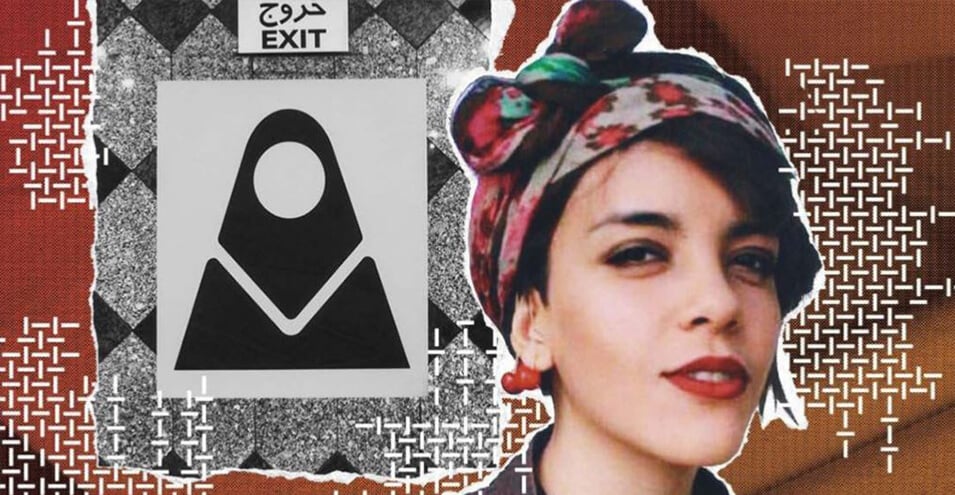
No one expected that the ban on Iranian women’s presence in stadiums would create a hashtag called “BlueGirl.” Football fans around the world have mourned a girl with this hashtag who “once went to Azadi Stadium with love for Esteghlal team.”
It was not in vain that the newspaper “Iran” reported on the concerns of Dariush Mostafavi, the former head of Iran’s Football Federation, about the internationalization of the news of “the self-immolation of the Esteghlal fan girl” and the damage to “Iran’s image in the eyes of the world public.”
Mostafavi was right, the news did become international. But not “her forbidden love” for football and not her violation of the law and entry into the male-only Azadi Stadium, but the news of her death became international; the death of a girl who was named “Blue” but burned in the red flames of fire.
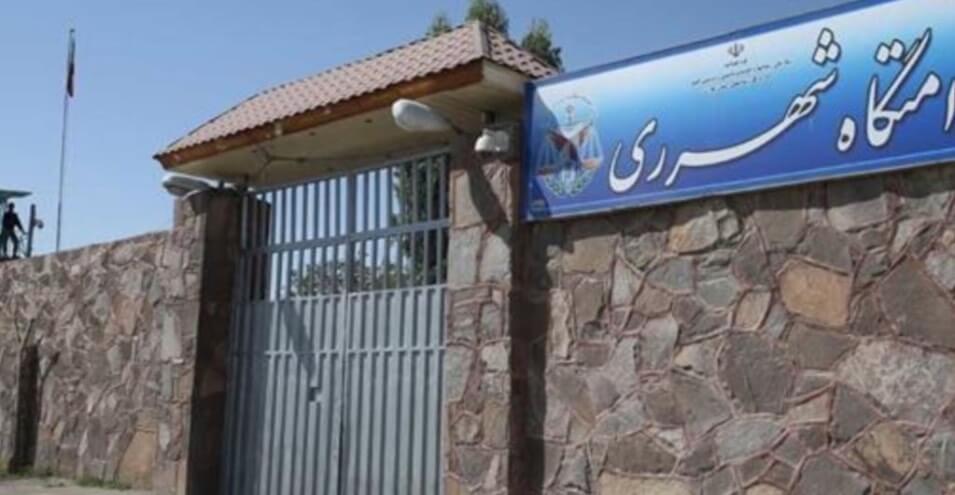
Sahar’s sister told “Rokna” that while she was hospitalized at Motahari Burns and Trauma Hospital in Tehran, her sister was arrested for entering Azadi Stadium to watch the Esteghlal and Al-Ain match last March and was transferred to Varamin Prison. After her release on bail, when she went to Tehran’s Prosecutor’s Office, she discovered that she had received a six-month prison sentence, but “in protest of this sentence” she set herself on fire there, and after several days she lost her life.
Christoph Becker from the sports editorial board of the German newspaper “Frankfurter Allgemeine” tweeted the response of the FIFA World Football Federation to Sahar’s death. FIFA, which had previously pressured to have the ban on Iranian women’s entry into stadiums lifted, even if only “temporarily,” called Sahar’s death “tragic” in a statement and, while expressing “condolences” to her family and friends, asked Iranian authorities to remove the ban on women’s presence in stadiums.
A Twitter page with the username FLAF, run by football fans, described the situation of women who want to watch football matches up close in Iran as “disheartening” in response to Sahar’s death. The page stated that the death of the “Blue Girl” has led to a call for boycotting football matches in Iran until women are also allowed entry.
Raoul Calvapala from the editorial board of “You News” asked in a tweet: “What was her crime? That she is a football fan?” He finds it surprising that FIFA has not yet banned Iran from all international competitions for this “medieval” ban on women’s presence.
A Twitter user named “Molanium” asks with reference to a summary of Sahar Khodayari’s fate: “When do you really want to do something?”
The news was too shocking not to reach international media. From news networks “CNN” and “BBC” to newspapers “Washington Post,” “Guardian” and news agencies Associated Press, Reuters, and France, all reported on this issue.
Associated Press, which covered this matter in detail in separate reports, tweeted a summary of Sahar’s story on Twitter and reported that she dressed as a man to watch her favorite football team’s match.
The German and English sections of Deutsche Welle also covered Sahar’s story. The English section of Deutsche Welle referenced Sahar’s fate and said she set herself on fire during legal proceedings against her attempt to attend a football match in Iran.
“Deutschlandfunk Sport” tweeted about the story of “this young woman” who surrendered herself to the flames of fire “in a protest.”
“Die Nächsten” also wrote: “She set herself on fire because she was threatened that she would go to prison for violating the ban on entry to the stadium.”
A user named Andreas Halaschka writes: “She set herself on fire to escape prison.”
In this tweet, referring to the price of this escape, which was Sahar’s death, it is mentioned that football fans around the world mourn this event with hashtags “BlueGirl.”
Source: DW