Zarif: We Have Surpassed the 300 Kilogram Enriched Uranium Reserve
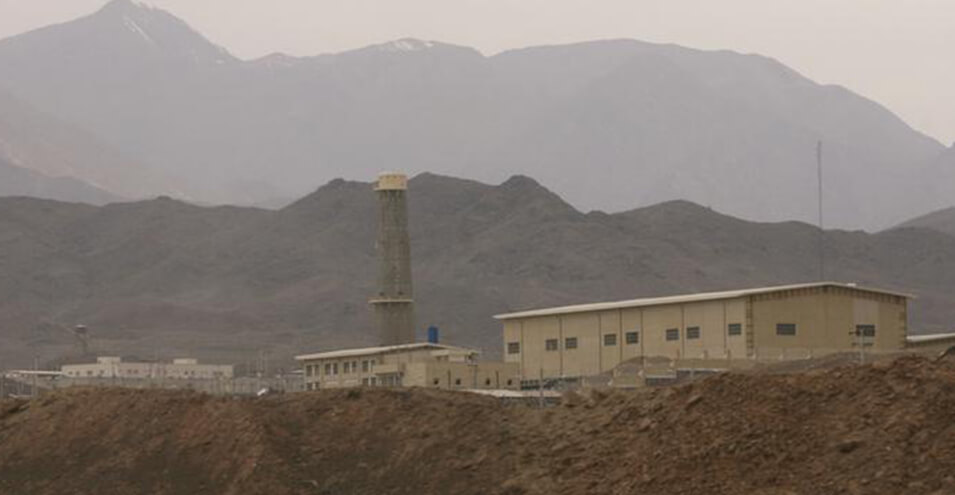
Iran says it has begun reducing its commitments under the JCPOA. This measure is part of Iran’s steps to pressure Europe to counter American sanctions. The International Atomic Energy Agency has not yet confirmed Iran’s claims.
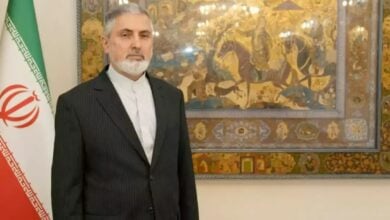
Mohammad Javad Zarif, the Foreign Minister of the Islamic Republic of Iran, on Monday, June 10 (July 1), confirmed reports about the increase in the volume of enriched uranium in the country and said: “According to what I have learned, Iran, according to its plan, has surpassed the 300 kilogram mark and we had previously announced this. Based on what has been announced, we have stated very clearly what we are doing and we are acting accordingly; we consider this to be one of our rights within the JCPOA.”
Iran does not view this measure as a withdrawal from the JCPOA, but rather introduces it solely as a lever to pressure European parties to move them toward fulfilling their commitments, commitments which concerned the activation of INSTEX to overcome American sanctions. The Islamic Republic has threatened that if these pressures do not yield results, it will gradually reduce its commitments in the framework of the JCPOA and ultimately will withdraw from it.
Concurrently with Zarif’s remarks, Reuters news agency also reported in a report citing its sources about “Iran surpassing the set limit of 300 kilograms of its enriched uranium reserves.”
Iran’s breaking of the 300 kilogram enriched uranium storage limit comes at a time when Iran was expected to be relatively satisfied with the outcome of Friday’s joint commission meeting on the JCPOA regarding the activation of INSTEX and would not implement its threats regarding reducing its commitments under the JCPOA.
Nearly two months ago, the Islamic Republic, on the first anniversary of America’s withdrawal from the JCPOA and the intensification of sanctions against Iran, gave Europe a two-month deadline to take steps regarding the activation of INSTEX in line with Iran’s overcoming sanctions, otherwise Iran would withdraw from some of its commitments within the framework of the JCPOA, including compliance with the 300 kilogram limit for enriched uranium storage and 130 tons of heavy water.
After Friday’s joint commission meeting in Vienna, Iran stated that the outcome of the negotiations was a step forward but insufficient. Abbas Araghchi, Iran’s Deputy Foreign Minister who participated in the JCPOA commission meeting, linked Iran’s decision to implement or not implement its threats to an examination of the results of the Vienna meeting in Tehran.
Iran’s crossing of the permitted limit in the JCPOA for enriched uranium storage has not yet been confirmed by the International Atomic Energy Agency. A spokesperson for the International Atomic Energy Agency today (Monday) in response to the report of Iran surpassing the 300 kilogram ceiling of 3.67 percent enriched uranium, announced that they are reviewing its accuracy.