Two Doctors in Isfahan Convicted of Selling 607,000 Counterfeit Chinese Prosthetics
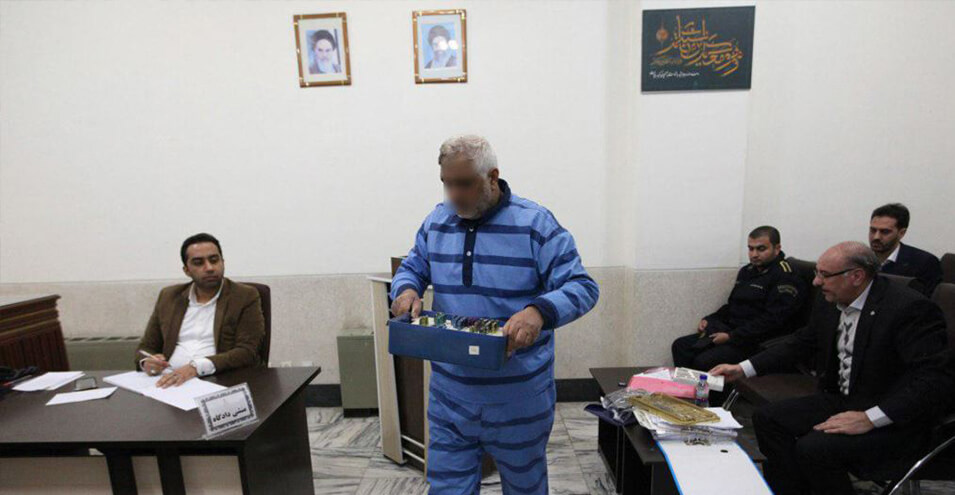
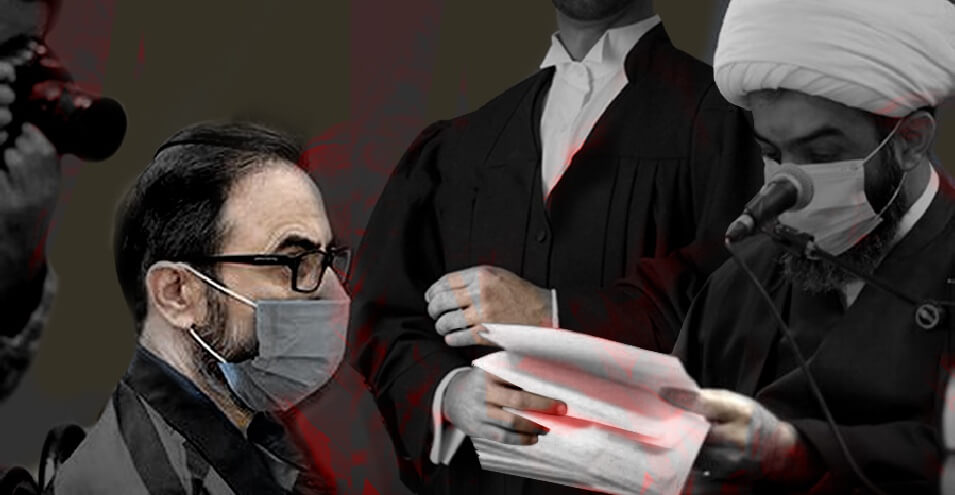
A medical couple in Isfahan has been sentenced to 30 years in prison and ordered to pay 120 billion tomans by specialized courts in the province on charges of “economic disruption.”
Ahmad Khosravi Vafa, chief of Isfahan’s judiciary, announced the convictions, stating that the sentences are final and irreversible, and the fine amounts will be collected for the state.
The primary defendant in this case is identified as Hamidrezaa Jaan Ghorbaan, who has been sentenced to 20 years imprisonment and ordered to pay 1,200 billion rials in fines on charges of “disrupting the country’s economic system through smuggling medical equipment, skeletal implants, and prosthetics.”
Azadeh Sejadiyeh, his wife, identified as a dermatologist and hair specialist, has been sentenced as the secondary defendant in the same case to 10 years imprisonment.
The details of the charges against these two individuals include “smuggling low-quality and counterfeit medical parts and illegal imports from China, printing labels indicating European manufacturing origins and affixing them to counterfeit parts, and paying commissions to doctors for installing these parts in patients’ necks and spinal columns.”
These two doctors are also charged with “selling over 607,500 counterfeit implant and prosthetic pieces with 60,000 pieces discovered, establishing multiple fraudulent companies for importing and selling parts, overcharging patients for defective goods at three to nine times their actual price, and disrupting the economic system by organizing professional smuggling rings.”
According to Isfahan’s judiciary chief, the value of smuggled goods by these individuals exceeds 200 billion tomans, and the two doctors have also been involved in “tax evasion.”
According to Khosravi Vafa, both defendants “are currently serving time in prison, sentences are being executed against both, and their imprisonment has begun.”
In this case, several other defendants exist as “accomplices” in committing the crime, and Isfahan’s judiciary has announced that it is investigating their charges.
According to IRIB news agency, so far seven private complainants who have suffered physical injuries from these counterfeit parts have filed complaints at the Isfahan prosecutor’s office.
Following the approval by the Supreme Leader of the Islamic Republic of the proposal by Sadegh Larijani, head of Iran’s judiciary, to establish a special court with three judges from the revolutionary court to hear cases of “economic offenders and disruptors” beginning from the sixth month of the current year, these courts have tried many individuals.
Based on Ayatollah Khamenei’s order, the verdicts of these courts, except for execution, are “final and enforceable.” However, execution verdicts issued by these courts in certain cases, including those involving two individuals referred to as the “coin sultan” and “tar sultan,” have also been confirmed and carried out.
Iran’s economy has faced severe turmoil and tension in recent months following U.S. President Donald Trump’s announcement of withdrawal from the JCPOA.
The rial has lost significant value against the dollar, prices of coins and other goods have increased, and waves of protests have formed in several Iranian cities.
Associates of Iran’s Supreme Leader attribute the country’s economic problems not to American sanctions, but to the government’s “weak” performance and, according to them, “exploitation by profit-seeking individuals.”
Iran’s judiciary chief also wrote in his letter to Ayatollah Khamenei that “the current special economic conditions constitute a form of economic warfare” and “any suspension or mitigation of punishment for economic disruptors and offenders is prohibited.”
Source: Radio Farda