One in Every Five Iranians Suffers from High Blood Pressure
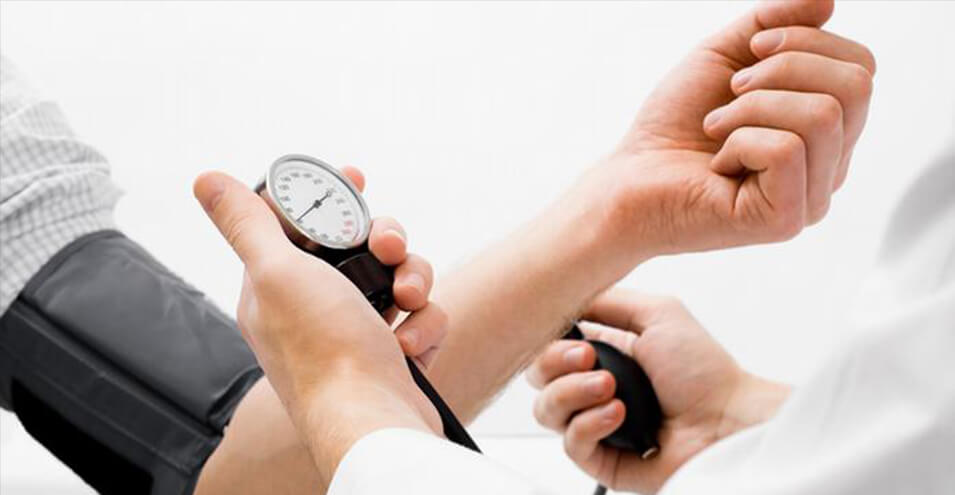
Iran’s Ministry of Health states that approximately 15 million Iranians suffer from high blood pressure, and only 60 percent are aware of their condition. The ministry has launched a national preventive plan for blood pressure control to combat this disease.
When she wakes up, the first thing she does is take two pills, one Valsartan 80 and one Amlodipine 5; medications to control high blood pressure. She is a 60-year-old woman living in Tehran who says she has had high blood pressure for 33 years and takes medication daily to control it.
Another is a citizen from Isfahan, a 67-year-old man who takes one Atenolol tablet and one Amlodipine daily to control his blood pressure. How many years has he been controlling his blood pressure with medication? He is not sure exactly, but says it is certainly more than thirty years.
These two are among Iranian citizens who, in response to a Deutsche Welle question, say they struggle with high blood pressure and are in the group of 20 percent of patients with high blood pressure who control the disease through medication use.
But these two are not alone. 15 million Iranians have the same problem.
A problem and disease that, according to ISNA, “is considered the primary cause of premature death from heart disease, chronic kidney disease, and strokes in the world and Iran.”
Based on published statistics, in 2017, ten million people worldwide lost their lives due to causes related to high blood pressure; high blood pressure is the third leading cause of death in the world.
Now, the Ministry of Health, given the prevalence of this disease and its dangers, has undertaken the implementation of a plan to prevent and control high blood pressure. Starting from May 17th, coinciding with World Hypertension Day, the national blood pressure control plan with the motto “Blood Pressure; Know It and Act” has been launched across Iran.
In Iran, one in every five people suffers from high blood pressure
Saeid Namaki, Iran’s Minister of Health and Medical Education, considers high blood pressure to be responsible for the deaths of approximately 97,000 people in Iran in 2017.
According to the Minister of Health, under the blood pressure control plan, the blood pressure of 40 million people over 30 years of age and pregnant women will be measured, collected, and recorded for the purpose of designing and implementing prevention programs.
Public awareness about the importance of blood pressure, understanding one’s own blood pressure condition, and its treatment are among the programs announced in this plan.
The importance of public awareness becomes clear when we look at the statistics. ISNA writes that according to domestic statistics, approximately 15 million people in Iran suffer from high blood pressure, but according to the Minister of Health, only 60 percent of patients with high blood pressure are aware of their condition.
According to Saeid Namaki, people unaware of this disease usually “realize it only when they need to be hospitalized in special hospital wards or receive dialysis services.”
Five main factors of high blood pressure
High blood pressure is divided into two categories: primary and secondary. Primary hypertension is mostly affected by genetic and environmental factors. In secondary hypertension, there is a secondary cause for high blood pressure, such as kidney disease, which according to specialists can be prevented through timely diagnosis and treatment.
The 60-year-old Tehran resident says she has had high blood pressure since approximately age 27. She says: “I don’t know to what extent genetic factors influence my high blood pressure. But I know that environmental factors have not been without effect in my developing high blood pressure.” She speaks of the days of war and bombardment and how on some days, hearing the sound of air raid sirens would make her face turn red and her blood pressure rise.
The 67-year-old Isfahan resident, however, says that due to kidney disease, he has had high blood pressure for decades, but has controlled it with medication and lifestyle and dietary changes.
Overweight, insufficient physical activity, high blood cholesterol, and addiction are the most important factors that increase the likelihood of developing high blood pressure. According to ISNA, in Iran, out of every 10 people, four are sedentary, approximately two are smokers, and about three are overweight. Experts say that with any of these problems, as age increases, due to decreased kidney function, inability to excrete body salt, hardening of blood vessel walls, and increased body weight, blood pressure increases.
Methods of Prevention and Treatment
According to experts, by changing lifestyle, exercising, following appropriate diet, controlling weight, and using appropriate medications, one can prevent complications from secondary hypertension.
The Isfahan resident, confirming the experts’ opinion, speaks from his experience in changing his lifestyle: “I walk every day; early in the morning when everyone is asleep and the air is fresher. According to my doctor’s recommendation, I consume very little red meat in a week, and I eat neither fatty foods nor salt. In return, I have included vegetables in my diet.”
The Tehran resident, referring to poor economic conditions and the stresses they create, says: “Nerves also play an important role in raising blood pressure. But I try every day through increased physical activity and avoiding weight gain and refraining from fatty and salty foods to keep my blood pressure stable.”
The Ministry of Health also says that through implementing the blood pressure control plan, through timely diagnosis and adherence to simple health and medical principles, serious damage from high blood pressure and its social and economic consequences to the country can be prevented.
The “National Blood Pressure Control Mobilization Plan” which began with the aim of raising awareness and helping prevent high blood pressure from May 17th, 2019, will continue until July 6th, 2019.
Source: DW