Iranian Red Crescent: Public Donations to Flood Victims Break Records
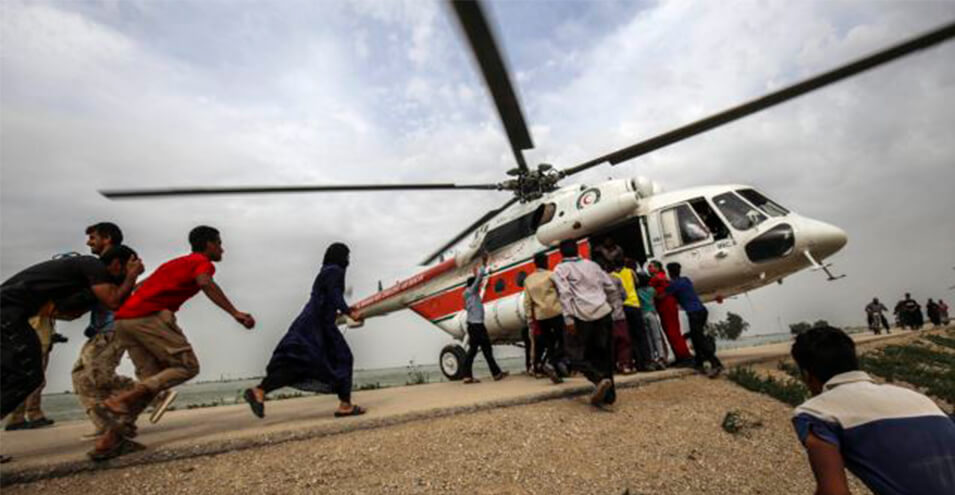
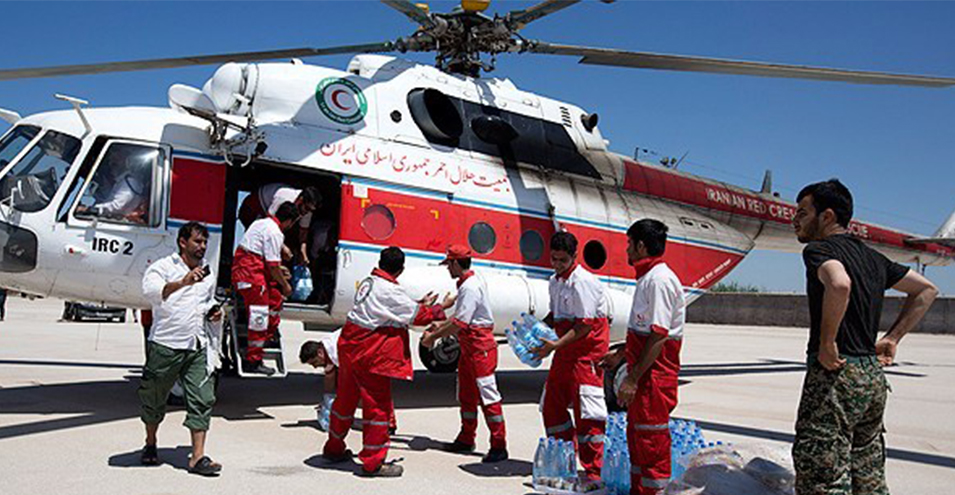
The head of the Iranian Red Crescent says that so far 65 billion tomans in cash aid for flood victims have been deposited into this organization’s accounts by citizens, breaking the cash aid record of the Kermanshah earthquake.
Ali Asghar Piwandeh, head of the Iranian Red Crescent Society, said on Monday morning that by the evening of Sunday, 18 Farvardin, people had deposited 65 billion tomans into the Red Crescent’s accounts, and approximately 25 billion tomans in “basic necessities” have been placed at the disposal of this organization.
The head of the Iranian Red Crescent Society’s volunteer organization also presented a similar figure of collected aid on a television program yesterday.
Mohammad Nassiri said that in the first days of the flood, citizens donated 8 billion tomans in cash aid to Golestan Province.
It was reported yesterday that citizens in Sarpol Zahab, who are still living in tents and temporary shelters following the earthquake, donated 150 million tomans to flood victims in Golestan.
Previously, public cash donations for the Kermanshah earthquake were reported to be approximately 63 billion tomans.
Nevertheless, the manner and management of aid distribution to Kermanshah earthquake victims was repeatedly accompanied by criticism from citizens, observers, social media users, and Iranian media outlets.
These protests and criticisms also occurred during other natural disasters and catastrophes in Iran; including the deadly Bam earthquake, which had made headlines due to the high amount of foreign aid received, yet years later many people were still living in temporary shelters.
Hassan Rouhani, the President of Iran, promised again on Monday during a meeting of Iran’s Cabinet that damages in flood-affected areas would be “immediately compensated.”
Damage Assessments
Ali Asghar Piwandeh, head of the Iranian Red Crescent, says “preliminary estimates indicate that flood damage in Lorestan, Ilam, Khuzestan, Golestan, and Mazandaran provinces amounts to approximately 60,000 billion rials.”
By 13 Farvardin, total damages were estimated at over 11 billion tomans, since which time both the estimates have changed and the flooding has continued.
Some experts say that estimated damage assessments will not be possible for several weeks ahead.
Mahdi Qamshi, head of the School of Water Sciences at Shahid Chamran University of Ahvaz, told ILNA news agency “we must wait for a damage assessment that will likely be higher than this; it will probably be possible to estimate in the next twenty to thirty days, and it is not possible before that to provide an estimate close to reality of what has happened.”
The recent flooding in some areas has caused extensive destruction, and completely devastated some villages. People in some areas and villages have lost their homes, agriculture, businesses, and almost all of their possessions and assets. Some cities have also been extensively flooded.
By Saturday, Ahmad Shojaeee, head of Iran’s Legal Medicine Organization, had reported the death of at least 70 people in 13 provinces. No new death toll has been released yet.
Source: Radio Farda