Truck Drivers’ Strike Escalates in Iranian Cities on Wednesday
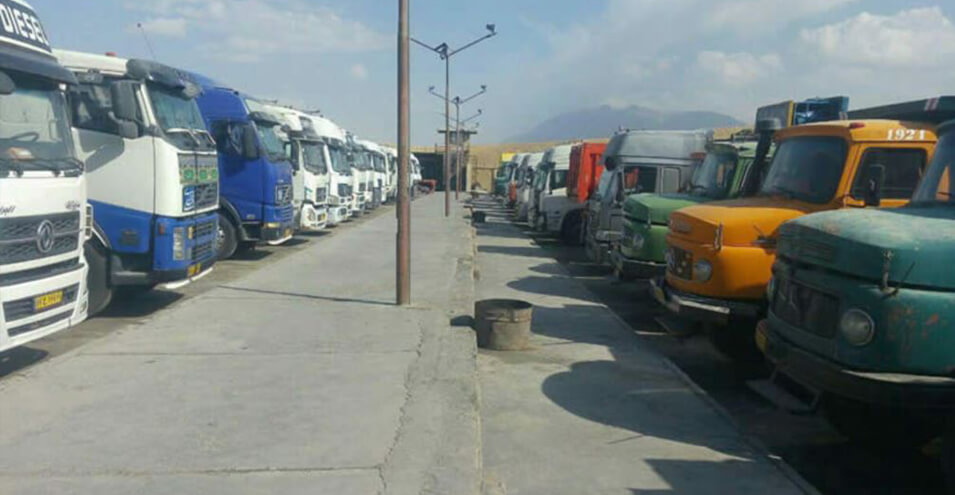
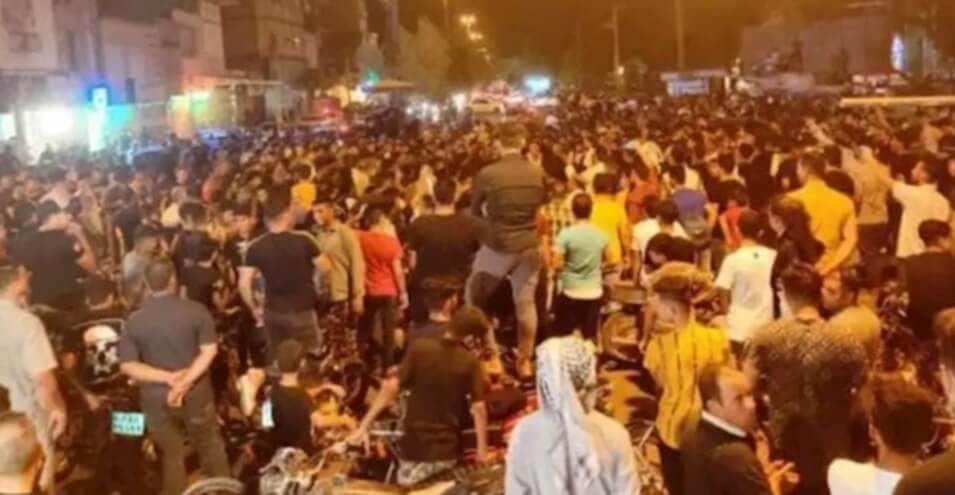
A new round of truck drivers’ strikes that began on the first day of Mehr has continued for the fourth day in various cities across Iran.
Based on videos circulating on social media about these strikes, truck drivers on Wednesday, the 4th of Mehr, refrained from transporting cargo in various cities including Ardabil, Ahvaz, Qazvin, Shahreza, Borujerd, and Urmia, just as they had on previous days.
♦️ ویدئو کوتاه | اعتصاب کامیونداران در قزوین؛ آنها می گویند دولت توجهی به خواسته هایشان ندارد pic.twitter.com/o9dBGNnOHd
— VOA Farsi (@VOAIran) September 26, 2018
Truck drivers cite low freight rates and rising vehicle component prices, such as tires, as among the reasons for these strikes. The rising exchange rates in Iran’s market have contributed to increased prices of vehicle parts.
Mehr News Agency reported, citing some truck drivers: “The approved price for bias tires is between 1 million and 900,000 to 2 million tomans, while brokers sometimes sell them to truck drivers for as much as 5 million and 500,000 tomans.”
Truck drivers first launched widespread strikes on the first day of Khordad of this year for two weeks with the aim of reducing commission rates, increasing freight rates, and receiving government assistance for insurance premium payments.
During this strike, which continued until early Tir, hundreds of trucks were halted in various Iranian cities, and drivers announced their demands by publishing videos. The International Transport Workers’ Federation also supported the truck drivers’ and drivers’ strike.
Ultimately, this strike ended with the government’s decision to increase freight rates and provide assistance to drivers and truck operators.
Daryoush Amani, Deputy Head of Transport at the Road Maintenance and Transportation Organization, announced to Mehr News Agency that some of the truck drivers’ problems are being addressed, and issues such as dealing with violating transportation companies, excessive commissions, returning social security insurance to its previous procedure, and launching supplementary insurance for drivers require time.
However, none of these follow-ups have been able to resolve the truck drivers’ demands to date, and in videos circulating on social networks, they say that until their problems are addressed, they will refrain from loading cargo.
Source: Voice of America