17 Million Iranians in “Critical Water Stress Situation”

According to assessments, more than half of Iran’s population, including residents of some major cities, are facing water stress to varying degrees. Water shortage and salinity in Khorramshahr have led to public protests and violent clashes with law enforcement.
The ISNA news agency, based on official data and statistics, reported a critical water shortage situation in vast sections of Iran, with approximately 334 out of 1,157 cities in the country facing it to varying degrees.
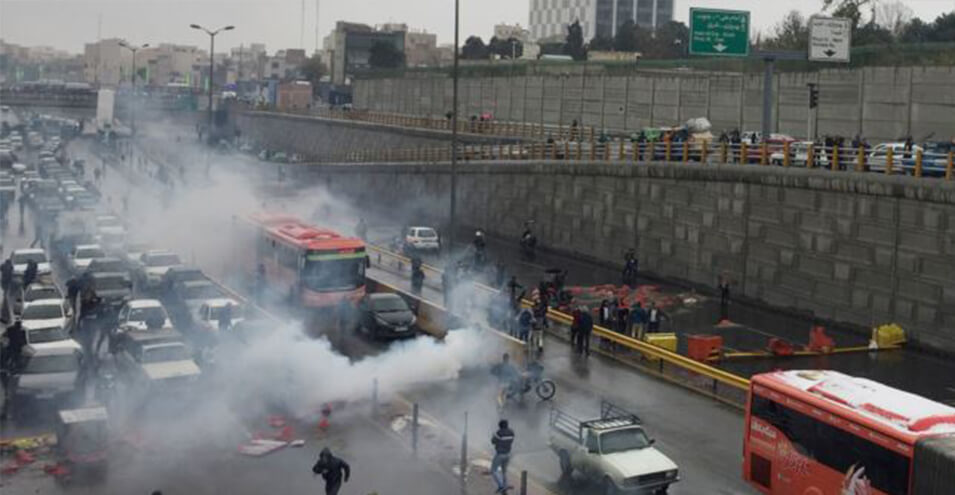
This report was released on Sunday, July 1st, one day after continued protests over water shortage and salinity in Khorramshahr’s water supply resulted in police intervention, tear gas being fired, and shots fired at protesters.
According to ISNA, currently 44 percent of Iran’s population faces no water stress, slightly over 17 percent are within the yellow water stress range, 11 percent within the orange stress range, and close to 28 percent are in a red water stress situation.
The number of residents in cities facing red water stress is estimated at approximately 17 million people. In the mentioned report, ISNA wrote: “In general, cities that are predicted to face the most severe water stress, such as Isfahan, Bandar Abbas, Bushehr, Shiraz, Kerman, Mashhad, and nearly all cities in Isfahan and Yazd provinces, appear to face major water challenges during the summer season.”
The report made no mention of cities in Khuzestan province. For approximately two weeks, in some Khuzestan cities, including Abadan and Khorramshahr, water salinity has doubled the problems of water shortage and rationing, resulting in public demonstrations and protest gatherings.
According to the state news agency IRNA, hundreds of Khorramshahr residents who demonstrated Saturday night (June 30th) in the city’s central square to protest water shortage and poor quality of tap water “clashed with law enforcement officers present at the scene.”
Gunfire Directed at Khorramshahr Protesters
In videos posted on social media that are said to be related to last night’s unrest in Khorramshahr, the sound of gunfire can be heard and tear gas can be seen being fired.
Based on reports that have not yet been officially confirmed, during Saturday night’s clashes in Khorramshahr, at least one protester died from police gunfire. IRNA reported based on accounts: “A number of protesters and law enforcement officers were injured.”
In recent days, reports have also been published about water rationing in the major city of Isfahan, which some local officials have strongly denied.
According to Mehr news agency, Akbar Bani-Taba, spokesman and public education director of Isfahan Water and Wastewater Company, said on July 1st that the company, just as it provided drinking water to residents during the first quarter of this year despite “severe water resource constraints,” will continue to do so in the remaining months of the hot season, and Isfahan residents will not experience water rationing.
Bani-Taba, citing the energy minister, said water rationing in Isfahan province is a “red line” for the Ministry of Energy. This claim has been repeated by several other local officials and senior managers at the Ministry of Energy, but Ali Seyed-Zadeah, director of the water consumption management office at the Water and Wastewater Company, confirmed water rationing in Isfahan.
Isfahan; Rationing Under the Name of “Temporary Water Cutoff”
Ali Seydzadeh said on Friday, June 29th, in a phone interview with Islamic Republic of Iran Broadcasting’s news network: “This year in Isfahan province, at peak water consumption, we were forced to implement temporary rationing.”
ISNA also reported, based on accounts from several Isfahan residents, that in recent weeks and at least in some areas of Isfahan, people have faced water pressure drops and temporary water cutoffs during certain hours of the day.
The Isfahan Water Company spokesman told Mehr news agency that Seydzadeh’s comments in the interview with the news network about temporary water rationing in Isfahan referred to water pressure drops and cutoffs in some parts of the city in recent weeks, and this “does not mean implementing water rationing in the major city of Isfahan.”
On this basis, local officials also confirm “water pressure drops and cutoffs” in the major city of Isfahan and only oppose using the term “rationing” for it. This is while formally announcing water rationing to citizens would enable them to better prepare themselves for when tap water is cut off.
Source: DW