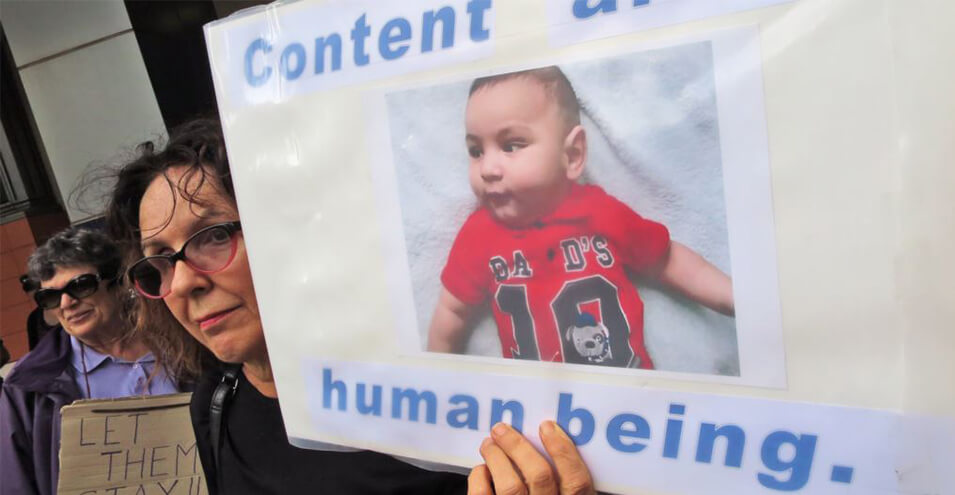
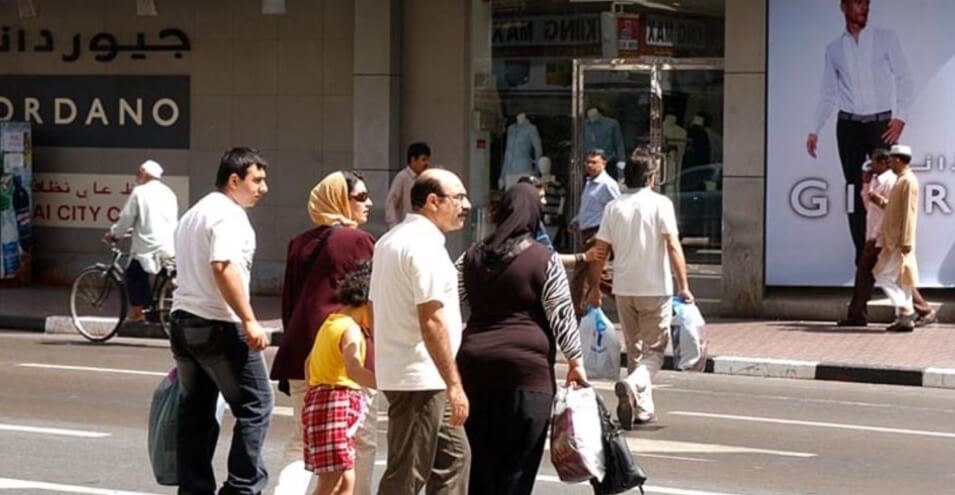
“Refugees Forced to Choose Harder and More Expensive Routes”
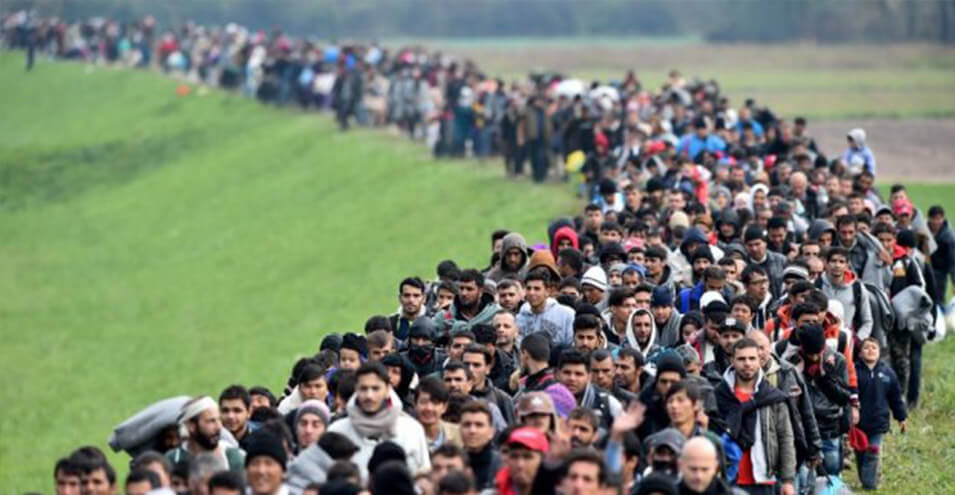
European Union leaders have agreed on significant changes to the asylum laws of the union. Human rights activists consider the passage of these laws a violation of refugee and human rights. A conversation with Hamid Nozari, head of the Iranian Political Refugees Center in Berlin.
European Union leaders reached an agreement on Friday (June 29 / Tir 8) on implementing significant changes to the union’s asylum laws.
Among these changes, asylum seekers whose information has been registered in one country and who then enter another country and submit an asylum request are to be sent back to the country where they were originally registered.
The European Union is also seeking to establish refugee camps both within and outside Europe’s borders.
Human rights activists are strongly criticizing the new asylum laws.
Hamid Nozari, head of the Iranian Political Refugees Center in Berlin, explained the perspective of human rights activists in a conversation with Deutsche Welle.
He said that the European Union’s new laws have made asylum conditions in Europe more difficult, and these hardships can be addressed in several ways:
First, Europe’s external borders are becoming increasingly militarized under the new laws, under the name of “strengthening European protective forces in the Mediterranean and Black Sea.”
According to Nozari, as a result, for those fleeing their countries for political and social reasons, there is no option left but to choose extremely dangerous and expensive routes.
Second, when refugees arrive at a place, officials want to know which route they took instead of looking at their reasons for seeking asylum.
Ignoring the reasons for asylum in order to accept an asylum request, according to Hamid Nozari, is trampling on asylum laws.
Third, new camps are to be established for refugees both within and outside the European Union.
According to the head of the Iranian Political Refugees Center in Berlin, however, there are countries that, based on experience so far, such as Greece in Europe and Libya in Africa, have treated refugees inhumanely.
In Hamid Nozari’s view, by passing new asylum laws, Europe is emptying the concept of asylum of its humanitarian and human rights content.
Although German media have considered the agreement on new asylum laws a victory for the German Chancellor, this human rights activist believes that Angela Merkel acted according to the wishes of her sister party, the Christian Social Union, a right-wing party, because she decided to remain in power and prevent her government from falling apart.
Hamid Nozari says that one can hope that in the future, with protests from human rights defenders and also with changes of governments in different European Union countries and the coming to power of parties that attach more importance to human rights, the European Union’s asylum laws will change again.
Source: DW