Wall Street Journal Report: Businesses in Iran Cannot Survive Under Threat of Sanctions
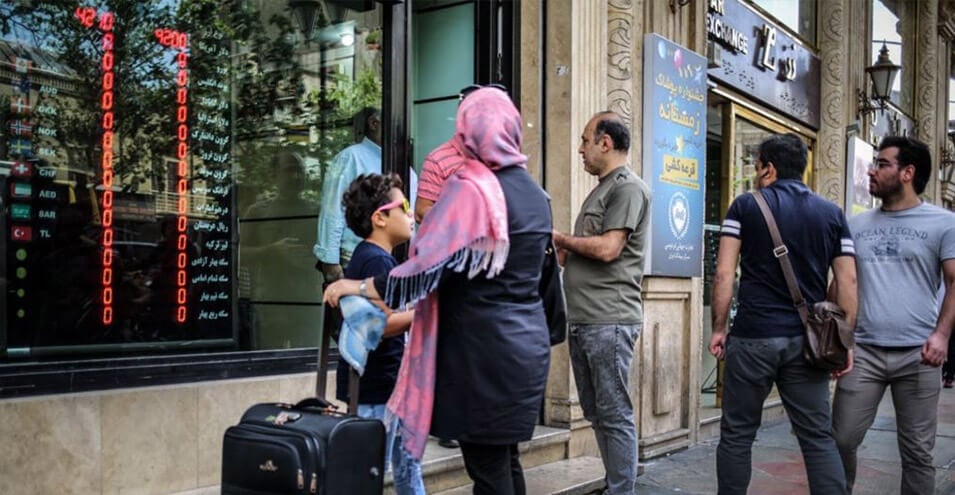
New US sanctions have created an economic shock throughout Iran even before being implemented.
Following President Donald Trump’s withdrawal from Iran’s nuclear agreement in May, manufacturers, carpet exporters, and shopkeepers in Iran are increasingly facing difficulties exchanging dollars for imports of necessary goods. Foreign companies are terminating their contracts, and major foreign banks—many of which have paid billions of dollars in fines to America over the past five years—fear sanctions.
Even when Iranian companies can finance imports, the low value of the rial against the dollar has made imports so expensive that they prefer to halt production and cancel contracts.
Sanctions will be implemented in two phases: sanctions against gold and precious metals trade, rial transactions, and the automotive sector will begin on August 6. Broader sanctions against shipping, oil transactions, and foreign financial institutions’ dealings with Iran’s central bank will commence on November 4.
This situation has been challenging for Iran’s political leadership. Iran’s economy, despite the lifting of sanctions following the JCPOA approval, suffers from double-digit unemployment and inflation rates. Growing discontent with economic conditions and mismanagement were visible in nationwide protests this year. The unrest has forced the government to avoid economic isolation.
Source: Voice of America