Discovery of a Major Ancient Iranian “Postal Station” in Northern Turkey
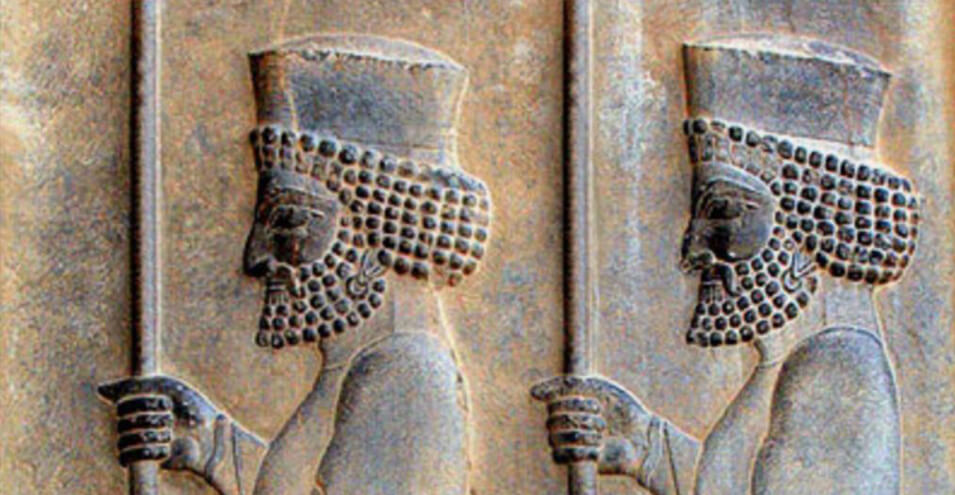
Archaeologists conducting excavations in northern Turkey have announced the discovery of the remains of an Iranian “postal station” and a Zoroastrian “fire temple” in the region, dating back to the Achaemenid period, approximately 2,500 years ago.
According to reports from Turkish newspapers Daily Sabah and Hürriyet, the discovery was made at the historical mound of Oluz near the village of Tüklüce in Amasya Province in Turkey’s Black Sea region.
Professor Şevket Dönmez, head of the archaeology department at Istanbul University and director of the excavation team at this historical mound, told media outlets that the team’s excavations over the past four years have focused on artifacts from the Iranian period in Anatolia, and the team has discovered numerous artifacts from this era.
He explained that the discovered site was a central Iranian postal station (chapar-khane) in the region where delegation groups stopped and tired horses were replaced. According to him, evidence suggests that this large postal station was active year-round, both summer and winter, operating 24 hours a day.
According to Professor Dönmez, a columned hall and a Zoroastrian fire temple were also discovered at this postal station, which demonstrates the importance of this site.
Şevket Dönmez adds: “The Iranians were the first civilization to bring the postal system to Anatolia. They had a vast empire that stretched from Greece to Central Asia and Egypt, and they administered their empire through local governors.”
Dönmez continues that for this reason, “the Iranians needed to transmit correct news and information from the capital to the provinces in a reliable manner, and for this purpose they constructed a network of various routes throughout their realm.”
This archaeologist states that the Achaemenid Iranians designated special locations in this communication network to establish central postal stations (chapar-khanes), and the columned hall of the present-day Oluz mound was one of these centers.
According to him, his archaeological team discovered the remains of a great road that leads to a sanctuary and columned hall at this site. Şevket Dönmez adds that “from the perspective of design and form, the discovery of this road is the first discovery of its kind related to the Iron Age in Anatolia.”
He also explains regarding the other Achaemenid structures at this site: “The discovered hall has six stone bases on which wooden columns probably stood, with the space between them serving as an assembly hall.”
He emphasizes that the discovery of a fire temple at this site also constitutes the discovery of the earliest presence of monotheism within the boundaries of Anatolia.
The historical mound of Oluz (Oluz Höyük) was discovered in 1999, and archaeological excavations began there in 2007. Archaeologists have so far discovered a total of 10 ancient settlements at this site.
Five experts from five different universities, three archaeologists, and 15 excavation and restoration specialists are currently working on the Iranian layer of this site, and their work will continue until September of this year.
Professor Şevket Dönmez, head of the archaeology department at Istanbul University, had also told media last year about his team’s discoveries at this site that no direct reference to this location has been found in historical texts, but Herodotus, the ancient Greek historian, mentioned in his writings a city called “Kritalos” in eastern Anatolia, which he stated was the headquarters of King Xerxes’ army. According to him, it is possible that this headquarters could have been the present-day Oluz mound.
Before this, from the period when Anatolia was annexed to Iranian territory 2,500 years ago, other artifacts have been found in Anatolia, including the discovery of a structure in the Aegean region of Turkey.
In western Turkey near the shores of the Aegean Sea, a relatively intact structure has remained that bears similarity to the tomb of Cyrus the Great in Pasargadae or the tomb called “Gur-Doktar” in Kazerun.
Source: Radio Farda