Iranian Media: ‘Flour and Bread’ Being Smuggled to Neighboring Countries
While parliament representatives have acknowledged severe bread shortages in Sistan and Baluchestan province, Iranian media are reporting the smuggling of bread under the guise of “animal waste” using “heavy transit vehicles” to Afghanistan and Pakistan.
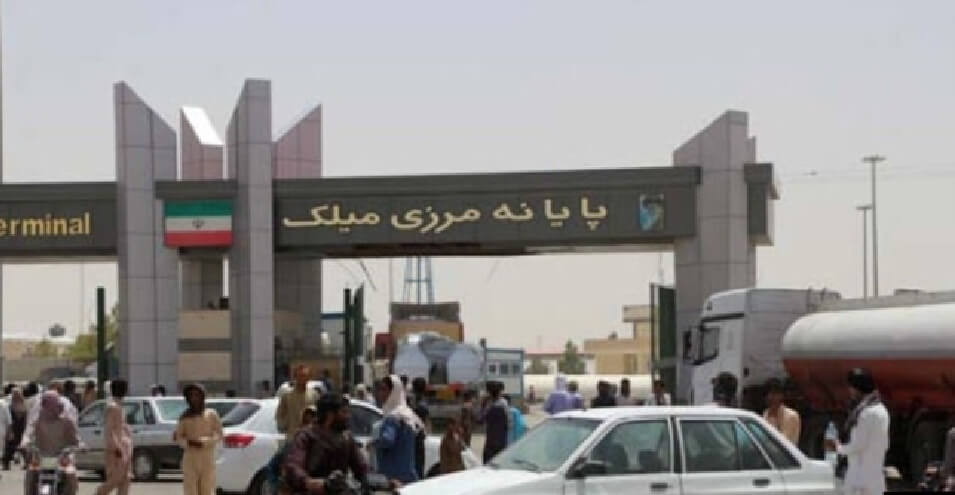
The Eghtesad Online website reported on Sunday, February 10, that bread smuggling in the Milk region “is occurring significantly,” and residents of border areas in Afghanistan and Pakistan are obtaining their bread from Iranian border cities.
Milk village is part of Helmand district in Sistan and Baluchestan province. The Milk border terminal is located adjacent to this village.
On Friday, February 8, the representative of Iranshahr and Sarbaaz in the Islamic Consultative Assembly reported “long queues for buying bread” and the price of each loaf of bread reaching “10,000 tomans” in some areas of Sistan and Baluchestan province.
Abdolnasser Dorkhshan, referring to the fact that transport companies are refusing to bring flour to Iranshahr due to increased costs, told the news website “Shafaqna”: “The lack of management in local and regional bodies has further exacerbated the situation, forcing people to buy bread at 10,000 tomans per loaf.”
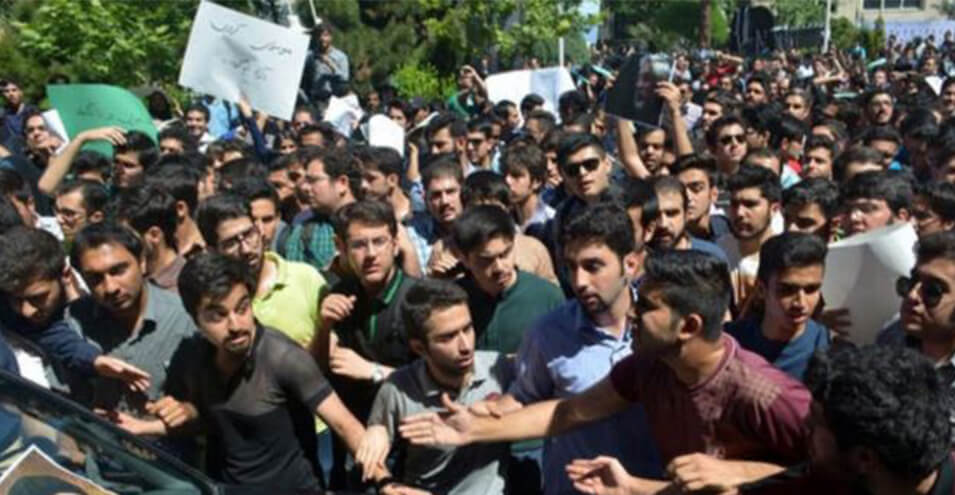
Simultaneously, a number of people from the Sistan region in northern Sistan and Baluchestan province held protest gatherings on Friday, February 8, in opposition to the non-receipt of Helmand water rights, in various locations including in front of the Milk border terminal on the Iran-Afghanistan border, and among other actions “broke the windows of three trucks belonging to Afghan nationals stationed at the Milk border terminal.”
Eghtesad Online, citing the director of supervision over anti-smuggling of goods and currency in Sistan and Baluchestan, reported on bread smuggling through the Milk border, and wrote that the head of prevention of petroleum product smuggling confirmed this report, and the governor of Iranshahr also reported “the identification of bread smuggling violators.”
According to this report, “flour is registered under the name ‘animal waste’ and is easily transported from one province to another until it reaches border cities,” while “inspection checkpoints do not have sensitivity to the transfer of goods between provinces, and subsidized goods are also easily transferred within the country. For this reason, the confiscated contraband cargo in Sistan may be flour quotas from Golestan or Isfahan.”
According to an ILNA report on February 7, the head of the Governmental Punishment Administration of Alborz county in Qazvin province, announcing the discovery of smuggled flour in the county, stated that bakery owners were closing the facility under various pretexts in order to smuggle flour.
According to this report, the government flour quota is 34,000 tomans, and its price in the free market is 170 to 180,000 tomans.
Flour and bread smuggling to Iran’s southeastern neighboring countries is occurring while, in addition to Sistan and Baluchestan province, flour and bread shortages have been reported in Kerman province following floods. Earthquake-affected villagers “have no bread and are requesting assistance in the form of even a single sack of flour.”
The ILNA news agency reported on Thursday, November 4, citing Ali-Qoli Imani, deputy chairman of the National Wheat Farmers Foundation, announcing that “the country took measures to import wheat to provide bread for the people,” that Iran “needs 11 million tons of wheat annually for domestic consumption” and “approximately five million tons of it is produced within the country.”
ILNA also reported, citing the head of Iran’s Food Industries Association: “Our current situation is such that we must enter into negotiations with any country that has surplus production.”
Source: Voice of America