US Asks Allies to Zero Out Iranian Oil Imports by November
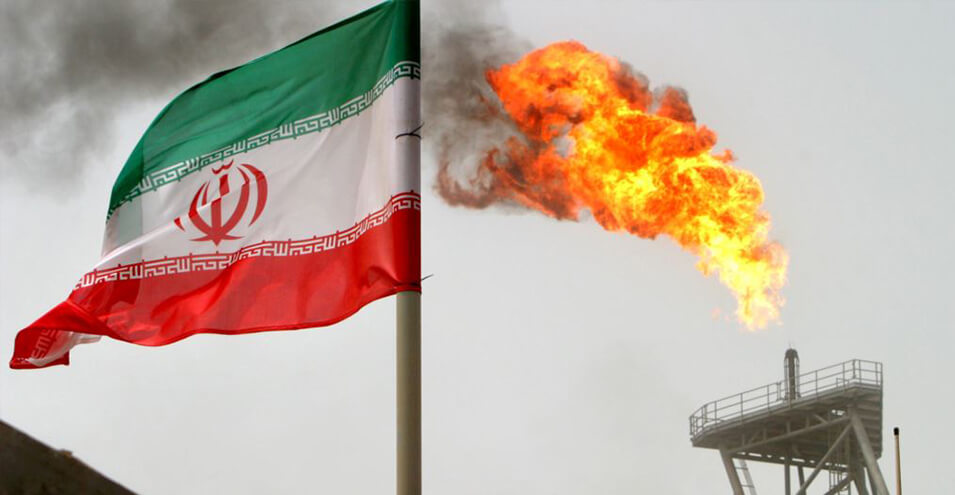
A senior U.S. State Department official said on Tuesday, June 25, that countries importing Iranian oil must halt all their purchases from the Islamic Republic beginning in November (starting November 4) when American sanctions against Tehran are reinstated.
When asked whether the U.S. is pressuring its allies to reduce Iranian oil imports to zero by November, the American official responded: “Yes.”
The American official, who requested anonymity, told reporters: “Our goal is to halt Iran’s revenue streams and highlight the harmful actions that country is taking at a regional level.”
He added that next week a U.S. delegation will travel to Persian Gulf states to ensure that cutting off Iranian oil transfers does not create shortages in the global market.
The U.S. State Department official warned foreign capitals that Washington “will not grant any exceptions” to countries importing oil from Iran and described intensifying sanctions against Iran as “one of the top national security priorities” of the United States.
Iran exported approximately 2.125 million barrels of crude oil and about 400,000 barrels of liquefied natural gas per day last year. About one-third of these shipments went to Europe, while the remainder reached Iran’s Asian customers, including China, India, South Korea, and Japan.
These figures have continued at roughly the same volume and proportions for the first half of this year.
According to the latest assessment by the International Monetary Fund released before the U.S. withdrawal from the JCPOA, Iran had nearly $50 billion in oil exports last year, and it was expected that this figure would reach $63.7 billion this year—roughly 60 percent of the country’s total exports.
Donald Trump, the U.S. President, formally announced on April 8 that the United States would withdraw from the nuclear agreement with Iran and restore suspended sanctions against Tehran.
The U.S. is pressuring European and Asian countries, particularly India, Japan, and China, to reduce their commercial relations with Iran and halt oil imports from the country.