A Baloch Citizen’s Account of Life Without an ID Card; Citizens Deprived of Basic Rights
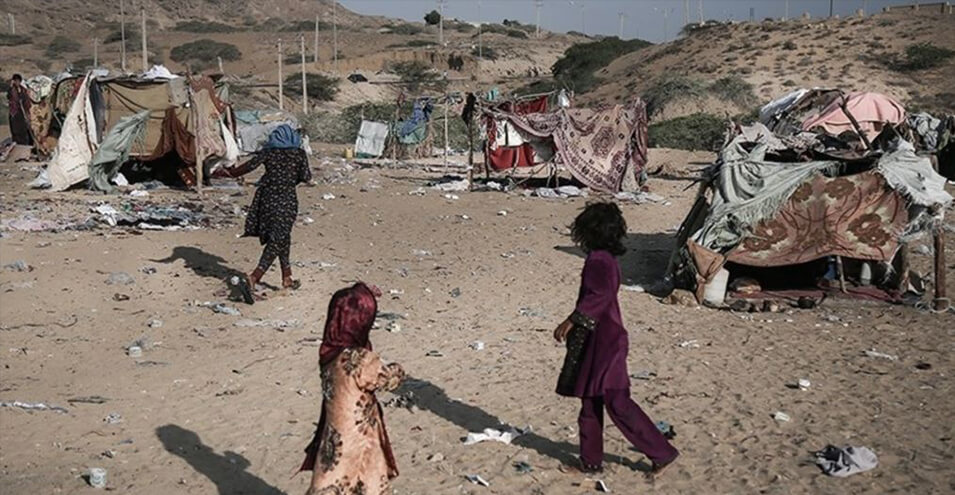
According to official statistics, the highest number of citizens without ID cards belongs to Sistan and Baluchestan Province, and several thousand Baloch people across Iran live without access to minimum citizen rights.
One Baloch citizen, by sending an audio file, recounts the difficult and harsh life of 30 households without ID cards and complains about the negligence of officials in following up on their repeated requests to obtain ID cards.
He is concerned about his children who, without ID cards, do not have the right to education, and says that the lack of health insurance has created numerous problems for them.
These citizens without ID cards are even deprived of the simple possibility of buying public transportation tickets to travel to other cities.
Iranian Labor News Agency, ILNA, recently reported that thousands of Baloch citizens without ID cards are forced to make a living through occupations such as waste collection, and if arrested and unable to prove they are Iranian, they may be deported from Iran as Afghans or Pakistanis.
Zahra Seyadi, a civil activist and advocate for the rights of those without ID cards, told ILNA: “We have repeatedly submitted complaints and requests from Baloch people without ID cards to camps and the Ministry of Interior. The question is: how can a person without an ID card and consequently without insurance, without allowances, and without a share in justice… afford to pay 700,000 tomans for the cost of a ‘paternity proof’ test at the forensic medicine office?!”
According to this report, since 2013, 500 cases have been filed in this regard in Sistan and Baluchestan Province, and 364 of them have been reviewed, yet thousands of people remain without ID cards and without the most basic facilities and rights, waiting in line to obtain ID cards.
According to Ms. Seyadi, the laws are not only not a path toward issuing ID cards to people without them, but to a large extent act as a deterrent, and “they have unreasonably made it so difficult.”
Abdul Sattar Doushoki, director of the Baluchestan Studies Center, had previously explained in a program on Voice of America that Iran’s government’s view of ethnicities and minorities is a security-oriented perspective and considers them “alien.”
According to Mr. Doushoki, when we talk about discrimination and injustice against ethnicities in Iran, we do not mean it does not exist in Tehran and elsewhere, but for ethnicities it is doubled.
Source: Voice of America