After Calm in Khorramshar; Islamic Republic Arrests 10 Protesters
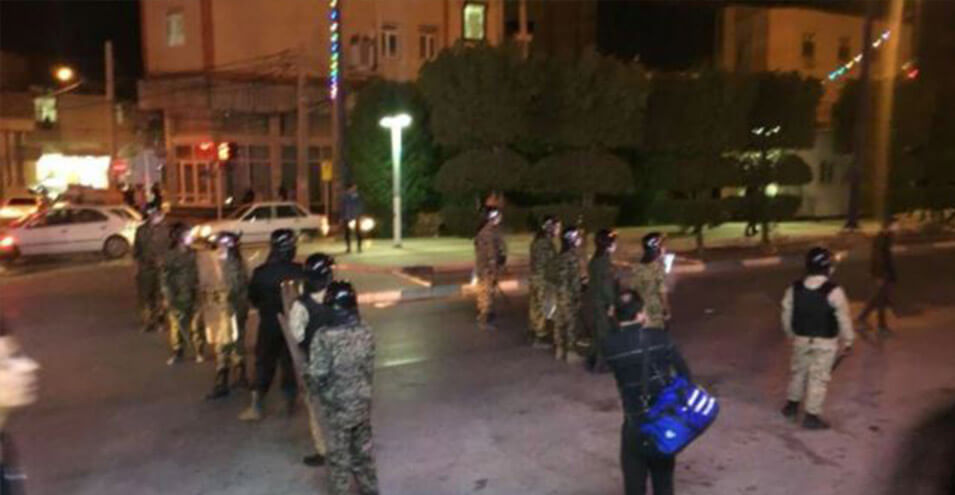
Three days after protests in Khorramshar over the water crisis, judicial authorities of the Islamic Republic of Iran announced the arrest of 10 protesters and the “identification” of 35 others.
Mizan News Agency, affiliated with the Islamic Republic’s judiciary, wrote that these individuals were “those who distributed calls for rioting and misused people’s demands.”
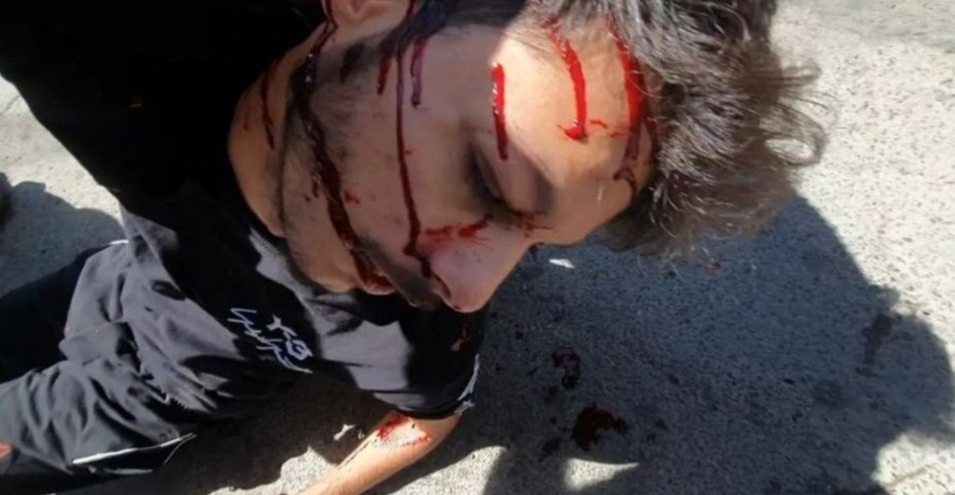
Since last Thursday, Khorramshar and Abadan witnessed peaceful gatherings of people protesting the poor condition of drinking water. Saturday night, security forces opened fire on people, leaving several injured.
The arrest of protesters in Khorramshar comes as the U.S. Secretary of State had previously criticized the Islamic Republic of Iran for disregarding protesters’ rights.
Mike Pompeo tweeted on Thursday afternoon, June 21 (Friday morning Iran time): Five thousand Iranians were arrested for last month’s protests. 30 women were arrested for protesting mandatory hijab.
He added: Hundreds of Dervishes, several environmental activists, 400 Ahwazi people, 30 Isfahan farmers; all imprisoned by Iran’s criminal regime.
The U.S. Secretary of State emphasized at the end of his message that the Iranian people deserve respect for their human rights.
Concurrent with the increase in protests in Iran, arrests have increased. Although the Islamic Republic’s constitution allows for protests and gatherings if they are unarmed and not contrary to Islam, recent protests have faced harsh treatment from the Iranian government.
The United States, since the Trump administration came to power, has begun severe criticism of the Islamic Republic’s policies.
President Trump withdrew from Iran’s nuclear agreement in April and announced that the Islamic Republic violated the JCPOA through its missile program and destabilization in the region. Under Resolution 2231, Iran is not permitted to test ballistic missiles capable of carrying nuclear warheads, but in the past two years, the Islamic Republic has repeatedly conducted missile tests. Iran also says this missile program is for defense, but Iranian components and equipment have been found in the hands of Yemen’s Houthi groups and Lebanon’s Hezbollah.
U.S. officials say the Islamic Republic of Iran spends the benefits of the JCPOA and Iran’s resources on helping foreign terrorist groups instead of the people of this country.
Previously, Mike Pompeo set 12 conditions for the Islamic Republic of Iran so that if they are met, Iran and America would negotiate a new agreement.
Water Crisis in Iran
The water crisis in Iran has intensified following severe droughts in recent years, reckless use of groundwater resources, and mismanagement of water resources.
The peak of this crisis occurs as some experts believe the water shortage in Iran has solutions and action should be taken as soon as possible to achieve them.
However, amid the peak of environmental problems and the water shortage crisis, Kaveh Madani, a water resources specialist and professor at Imperial College London, who had returned to Iran at the government’s invitation and served as deputy research director of the Environmental Protection Organization, was forced to leave the country last month following pressures from security agencies.
Source: Voice of America