Iran Elections: Can Women Determine the Next President?
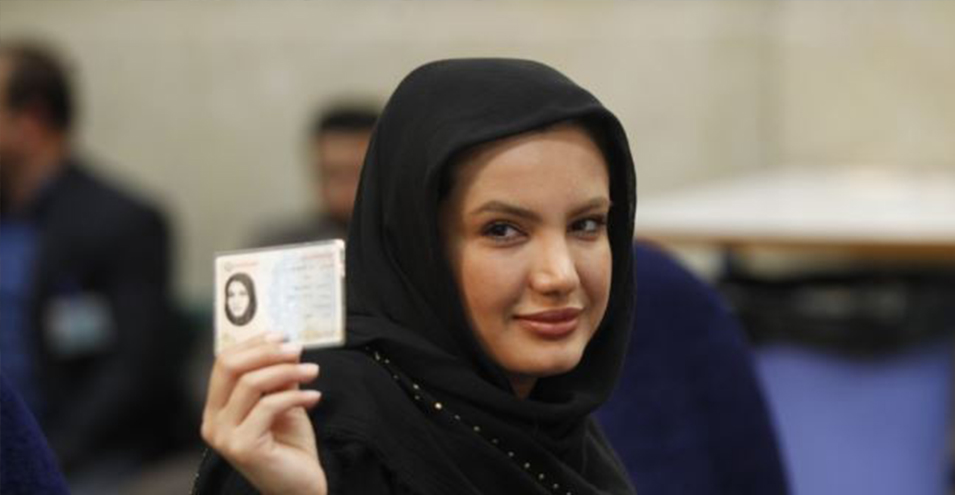
When Iranians go to the polls next week, they will only be able to write male names on their ballot sheets. Throughout the nearly four-decade history of the Islamic Republic of Iran, no female candidate has ever been allowed to compete in presidential elections, but this situation is certainly not due to lack of effort by women.
The BBC reported: This year, 137 women registered, the most notable being Azam Taleghani, a former parliamentarian and 72-year-old daughter of Ayatollah Taleghani.
She has registered in most presidential elections since 1997 to protest the word “rajol” (man) in the Islamic Republic of Iran’s constitution, which is traditionally interpreted only for men.
Ms. Taleghani says this word encompasses both genders, women and men, and as an experienced politician, she is qualified to compete.
However, the Guardian Council disagrees, and this year, like in the past, it has disqualified her.
According to BBC reporting, women constitute one-third of eligible voters in Iran’s elections, and their votes matter to candidates, which is why they are seeking to attract their attention.
Hassan Rouhani, the Islamic Republic’s president, who is also competing in the second round, posted a photo of himself with two young women on a mountain on social media, both of whom are considered improperly veiled according to Islamic Republic laws. This could indicate his insensitivity to strict hijab laws.
Mr. Rouhani was warmly welcomed by thousands of women at Tehran’s Shahid Shirudi Stadium, many wearing purple clothing and holding placards with their demands.
In his speech at Shirudi, Hassan Rouhani indirectly criticized the views of his electoral rival Ibrahim Raisi regarding the greater importance of motherhood and spousal roles.
Raisi, as a conservative candidate, has little appeal in attracting modern young women. However, this has not discouraged him, and in his campaign, he has constantly mentioned his wife, who holds a doctorate and is a university professor.
His supporters hold gender-segregated campaign events, with women and men placed in separate seating areas.
Many say Raisi’s true views are closer to those of Ayatollah Khamenei, who believes gender equality is “a failed Western idea” and considers women suited for home and family.
Mohammad Baqer Qalibaf, Tehran’s mayor, has also resorted to social media to reach women. He recently published a photo of himself among young people, including women wearing colorful Kurdish clothing and hair uncovered.
However, all of this has not erased past criticism on social media and his track record of gender segregation in Tehran workplaces.
Source: Voice of America