Nearly 25,000 Refugee Children Separated from Their Families
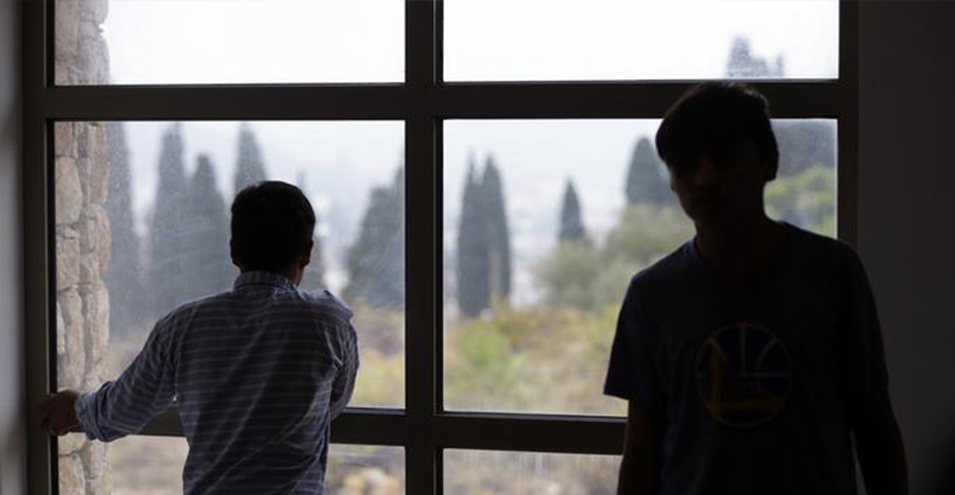
Approximately 75,000 refugees in southeastern Europe are waiting to reunite with their families in central Europe. This uncertain situation has created a particularly difficult condition for children. UNICEF has reported the number of these children to be around 25,000.
According to estimates by the United Nations Children’s Fund “UNICEF,” approximately 24,600 refugee children in southeastern European countries are living in uncertainty.
In total, 75,000 refugees and migrants in Greece, Bulgaria, Hungary, and Western Balkan countries are living without a clear prospect. Many of these people are waiting to reunite with their families in central Europe.
According to UNICEF’s report, “although they have the legal right to reunite with their families in Western Europe such as Germany and Sweden, most asylum seekers trapped in these countries do not know whether they will be allowed to continue their journey at all or not, and if they are allowed, when.”
According to Afshan Khan, UNICEF’s regional director, some mothers and children, husbands and fathers who previously went to European Union member states, have not seen each other for months or years.
Emotional Problems and Nervous Disorders
Ms. Khan stated that the process of reuniting refugees with their families is proceeding so slowly and the uncertainty is so great that it causes “significant fear and emotional losses” among children. According to UNICEF’s regional director, this uncertainty and ambiguity can particularly lead to severe emotional difficulties and anxiety disorders among children and families; disorders that will have long-term consequences.
Afshan Khan, while pointing to the prevalence of “depression and despair” among mothers, warned that this situation could set back the development of girls and boys by years.
According to UNICEF’s report, the largest number of family reunification requests comes from refugees trapped in Greece. After the Balkan route was closed, reaching central Europe has become extremely difficult for refugees.
According to UNICEF, processing a family reunification request takes between 10 months to 2 years. Moreover, each European Union member state has its own specific rules.
In 2016, 5,000 family reunification requests were registered in Greece. Of this number, 700 requests were for children who were either unaccompanied or separated from their families. This was while in the same year only 1,107 applicants were able to leave Greece and reach their destination country.
Source: DW