Norway is the ‘Happiest’ Country in the World; Iran Ranks at ‘108’
The first day of Farvardin has been designated as “International Day of Happiness.” The reason for this designation is the adoption of a resolution at the United Nations in 2012, which referred to “the pursuit of happiness and well-being” as one of the “fundamental objectives of humanity.”
The purpose of this designation is to encourage governments around the world to consider happiness—as one of the important components of sustainable development of human societies—in their political and economic planning.
However, the official website of the International Day of Happiness, belonging to the United Nations, goes beyond naming happiness as one of humanity’s objectives and declares happiness as one of the pillars of “human rights.”
Since 2012, when the first day of Farvardin was designated as the International Day of Happiness, the United Nations publishes a list each year that identifies the “happiest” and “saddest” countries in the world by considering various factors.
This year, Norway, with a three-place improvement compared to last year, surpassed Denmark, Iceland, and Switzerland to secure the top position on the list. Finland, the Netherlands, Canada, New Zealand, Australia, and Sweden rank fifth through tenth on this table.
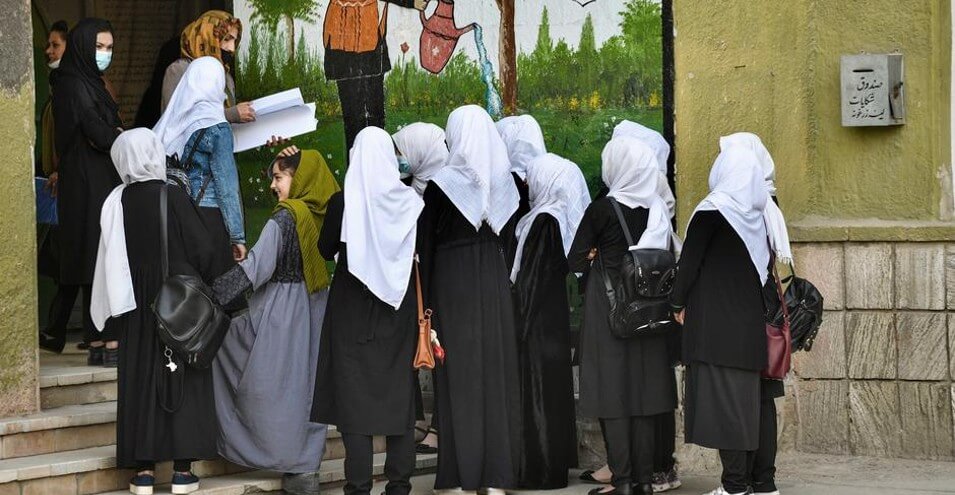
Iran, which ranked 105th last year, dropped three places and returned to its position in 2015, now ranking 108th on this table.
At the end of this list are the Central African Republic, Burundi, Tanzania, Syria, Rwanda, Togo, Guinea, Liberia, South Sudan, and Yemen.
Among the world’s superpowers, the United States ranks 14th, Germany ranks 16th, Britain ranks 19th, and Russia ranks 49th. Japan is 51st and China is 79th.
According to CNN, in compiling this list, the level of happiness among people in different countries has been measured based on factors such as healthy life expectancy, generosity, having someone to support you during life’s crises, freedom to make choices in various life matters, social trust (measured by the absence of corruption in government and business), and per capita gross national income.
The “Happiest” Country in the World
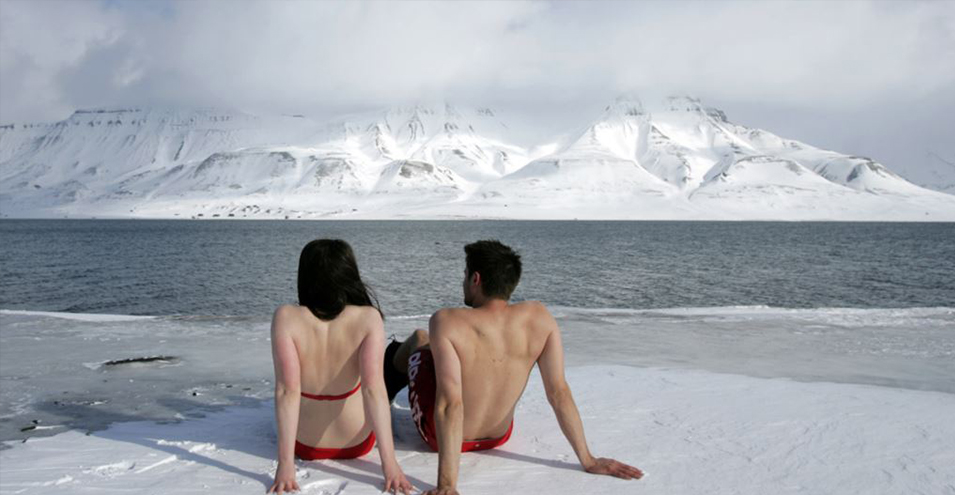
Although Norway’s main source of income is from oil extraction and exports, according to this report, the decline in oil prices in global markets has not only failed to affect the level of happiness of this country’s people, but Norway, with a three-place improvement, now tops the list of the happiest countries in the world.
John Helliwell, one of the authors of this report and a professor at the University of British Columbia in Canada, believes that Norway is building a better future for the next generation of its citizens by investing in the oil industry. Norway has insulated itself from the high and low fluctuations in the economy that are common among oil-rich countries: “Focusing on the future rather than the present has increased the level of mutual trust between the people and the government.”
Having shared goals between people and government, generosity, and good governance are among the matters seen in Norway and other happy countries in the world.
Happiness in the Workplace
One of the other matters examined in measuring the level of happiness of countries in this year’s report was happiness in the workplace. According to Dr. Jan Emmanuel De Neve, a professor at Oxford University, people often spend much of their lives at work. Therefore, understanding the role of work and unemployment in shaping individual happiness is important. According to this year’s report, “people’s happiness in the type of work, job position, and the industry in which the profession is formed is important.” The report states that although people’s wages affect their level of happiness, money is only one aspect of work. “The level of balance between work and personal life, work variety, and the level of independence in professional decision-making” are among other factors that determine the level of happiness in the workplace.
Source: Radio Farda