Zanganeh: Iran and Saudi Arabia Do Not Need a Mediator on Oil
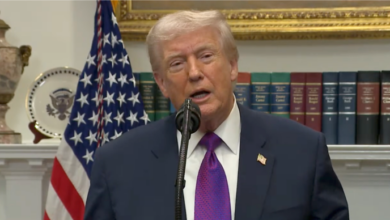
Iran’s oil minister, in response to reports about Iraq’s intention to mediate between Iran and Saudi Arabia to increase oil prices, said that the two countries do not need a mediator.
Mr. Zanganeh stated that Iran and Saudi Arabia can discuss oil production directly with each other, and they have done so.
It had previously been reported that Iraq intends to mediate between Iran and Saudi Arabia to increase crude oil prices.
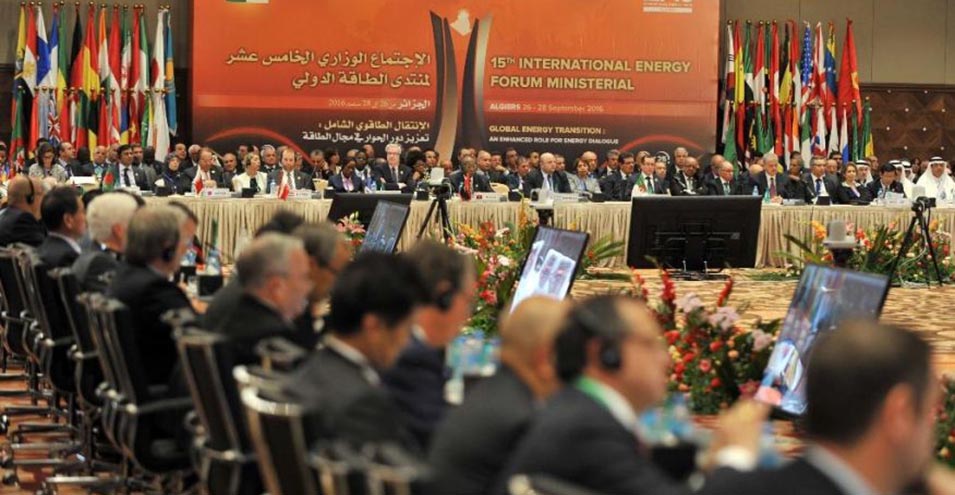
Today, Wednesday, September 28 (September 28), an informal meeting of oil ministers from OPEC member countries will be held in Algiers, the capital of Algeria, and efforts to increase crude oil prices in global markets will form the main focus of negotiations.
OPEC member ministers have traveled to Algiers to participate in the fifteenth international energy conference, with the presence of major oil-producing and consuming organizations and countries, and ways to regulate the oil market through production cuts are among the major topics on the conference agenda.
Last evening, the spokesman for Iraq’s oil minister, who traveled to Algiers, said that the country has taken the lead in mediation efforts between Iran and Saudi Arabia and hopes to be able to bring the views of both sides closer together so that OPEC can take effective action to address the current crisis in the global oil market. He said that progress has been made so far in this regard but “there are still obstacles to reaching an agreement between the two sides.”
In recent months, a number of major crude oil exporters have sought to increase crude oil prices by reducing oil production and supply to global markets. A number of OPEC members and several non-member countries, particularly Russia, have sought to obtain the agreement of other major producers to reduce production.
At a joint meeting of several major OPEC and non-OPEC producers held in April in Doha, the capital of Qatar, Saudi Arabia, which is the largest oil producer in OPEC, agreed to reduce its oil production on the condition that this reduction includes all member countries, including Iran. Iran, while emphasizing the need to reduce oil production at the global level, opposed reducing its own production.
Islamic Republic officials said that since due to nuclear sanctions, Iran in previous years was unable to fully utilize its OPEC quota and ceded its market share to others, it should be allowed to return to the level of production before sanctions and sought exemption from the decision to reduce production. Saudi Arabia rejected this view, and as a result, OPEC was unable to make a decision on reducing oil production.
Iran’s oil officials said that the country’s current oil production reaches three million six hundred thousand barrels per day and production will continue to increase up to four million barrels per day.
Despite statements by Iraqi oil officials about mediation between the two countries, oil markets did not consider an OPEC agreement on production cuts likely, and as a result, crude oil prices in the initial hours of trading on Wednesday fell compared to the previous day, declining from over $45 per barrel to below $44.60 per barrel, although it improved slightly later.
Saudi Arabian officials, in justifying their opposition to Iran’s request, said that exempting one OPEC member would weaken other members’ commitment to reducing production and, as a result, would lead to the failure of efforts in this regard. In contrast, Iranian officials emphasize that other OPEC member countries understand their position and Saudi Arabia, which has the largest oil quota in OPEC, can take on a greater reduction in its own production to bear the reduction assigned for Iran. Given the political conditions in the region, it is unlikely that Saudi Arabia would find such assistance to Iran acceptable, even if OPEC’s action to reduce oil production would actually lead to an increase in oil prices in global markets.
Since the revolution and the establishment of the Islamic Republic in Iran, relations between the government led by Shiite clerics in this country and the government of the Wahhabi royal family in Saudi Arabia have usually been cold and in some cases strained. In recent years, relations between the two countries over Syria’s internal war, the political situation in Bahrain, Iraq’s domestic situation, and the war in Yemen have become severely strained and have led to the severance of political relations and the suspension of Iranian pilgrims to the Hajj.
In Yemen, Saudi Arabia, at the head of a coalition of various countries, provides political, financial, and military support to the government of this country, while the Islamic Republic supports the Houthis who have taken control. Although Iranian officials have not confirmed military aid to this group, the governments of Yemen and Saudi Arabia accuse Iran of direct interference in this war.
Iran is also one of the main supporters of Syrian President Bashar al-Assad’s government, and although it has only formally confirmed sending military advisors to that country, it is said to provide an important part of the financial resources needed by the Syrian government. Saudi Arabia and Bahrain have also accused the Islamic Republic government of supporting and assisting opponents of the Bahraini government.
As such, Saudi Arabia views Iran’s access to higher oil revenues as meaning greater capability for the Islamic Republic to support its regional opponents.
The negative impact of political differences between Iranian and Saudi Arabian governments on OPEC decision-making is reminiscent of the 1980s when internal divisions in the organization and the weakening of the organization were among the factors that caused crude oil prices to remain at a low level for nearly two decades. This situation was fundamentally different from OPEC’s conditions in the 1970s, a time of significant increases in oil prices in global markets. During that period, member countries, based on an “unwritten agreement,” considered themselves obligated to refrain from involving the organization in political differences between member countries, which at that time also sometimes intensified.
Source: BBC