Killing of Religious Minorities in Iran Connected to Pulpits
FCN News Agency: Some human rights activists in Iran believe that views expressed by Ali Khamenei, the Supreme Leader of the Islamic Republic, have motivated the killing of religious minorities, including Christians and Baha’is, in our country.
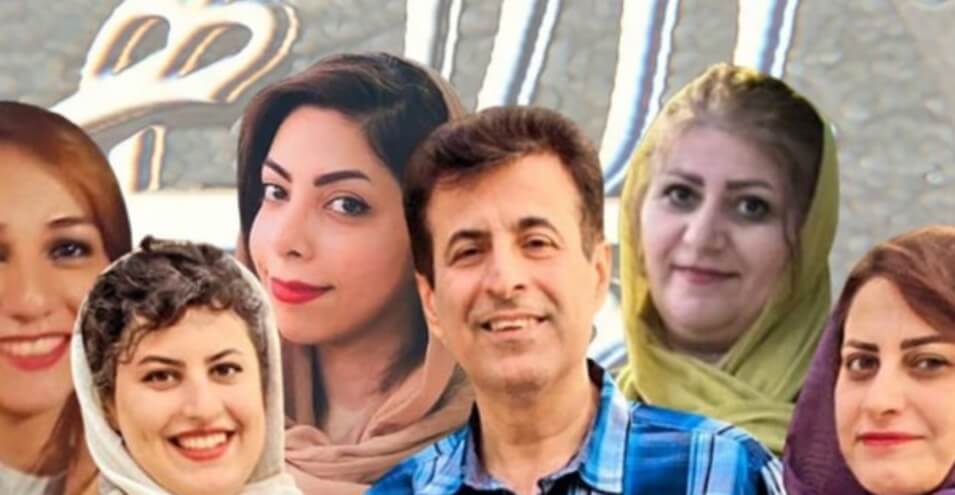
Shiva Hasami, a human rights activist, in an interview with FCN, referring to the killing of a Baha’i citizen in Yazd with knife wounds by two brothers, stated that one month after this tragic event, the perpetrators declared “religious hatred” as their motive.
Hasami claims that Khamenei’s statements about the impurity of Baha’is create such audacity in evil individuals that they commit murder.
She also recalled another killing in Bandar Abbas with a firearm, stating that this murder was also religiously motivated, and the killer killed a person for being Baha’i, without fearing the spilling of innocent human blood or considering it a sin.
According to this citizen, the reactions of clergymen and Friday prayer leaders and their statements from the pulpit regarding such actions are the main factor in inciting religious murderers.
Hasami also believes that the arrest and imprisonment of religious minorities is fueled by these encouraging statements.
She recalls that by the end of last year, more than 380 members of religious minorities in Iran suffered imprisonment. In this group, there were 250 Sunnis, 82 Baha’is, 26 Christian Protestants, 16 Sufis, and two Zoroastrians.
According to Hasami, in a country where the general penal code is derived from the Quran, narrations, and hadith, such behaviors would be justifiable.
She recalls that according to Article 225 of the general penal code, apostasy or changing religion for Muslim men results in capital punishment, and apostate women are subject to life imprisonment.
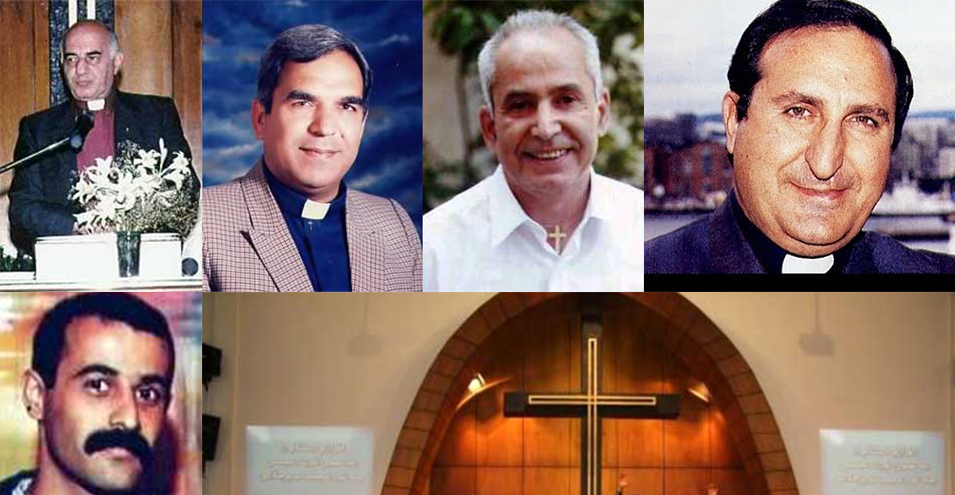
The killing of Christian priests, which began in 1357 with the killing of Aristotle Siahgel, is, according to this human rights activist, another violation of the freedom of religious minorities in Iran that continues to this day.
She considered priests Haik, Tateos Michaelian, Mehdi Dibaj, and Mohammad Baqer Yousefi among dozens of Christian priests who have been brutally murdered in recent decades in various parts of our country, without witnessing serious efforts to identify and arrest the perpetrators.
Hasami, pointing to evidence, emphasizes that these killings have even resulted in the killing of Christians from house church groups. The brutal murders of Daryoush Dorwish, Mohammad Jabbari, and Abbas Amiri are examples of such killings.
People understand who is telling the truth
Meanwhile, we witnessed Mohammad Javad Larijani, the secretary of the Judiciary’s Human Rights Office, recently announcing: “Some of the accusations made against us regarding human rights are directly about Islam, and they say change your laws, and I once jokingly told Ahmad Shahid that you are also an Ayatollah.”
This is while Iran is a signatory to the Human Rights Resolution, which emphasizes freedom of religion and freedom to change religion. Article 23 of the Constitution of the Islamic Republic of Iran also stipulates that the inquisition of beliefs is forbidden and no one can be subjected to harassment or prosecution merely for holding a certain belief.
But as we have seen, the process of Iran’s authorities’ response to people and their demands proceeds in such a way that even some regime officials, in making general statements, have targeted and criticized the public’s understanding of these matters.
Hashemi Rafsanjani, the Chairman of the Expediency Discernment Council, in an interview with the Farsi News Agency, criticizing some judgments and behaviors, emphasized: “Some think our people are ignorant. Our people understand these statements correctly and know what their purpose is and what they are saying. Now our people are educated. Go to any household, there are students, professors, or teachers. Now people do not receive information only from radio and television; information reaches people through a thousand ways. Now people better understand realities and quickly understand who is telling the truth.”