Despite Continued Crackdowns, Censorship, Internet Shutdowns, and Activist Arrests, the Government Has Failed to Stop Nationwide Protests

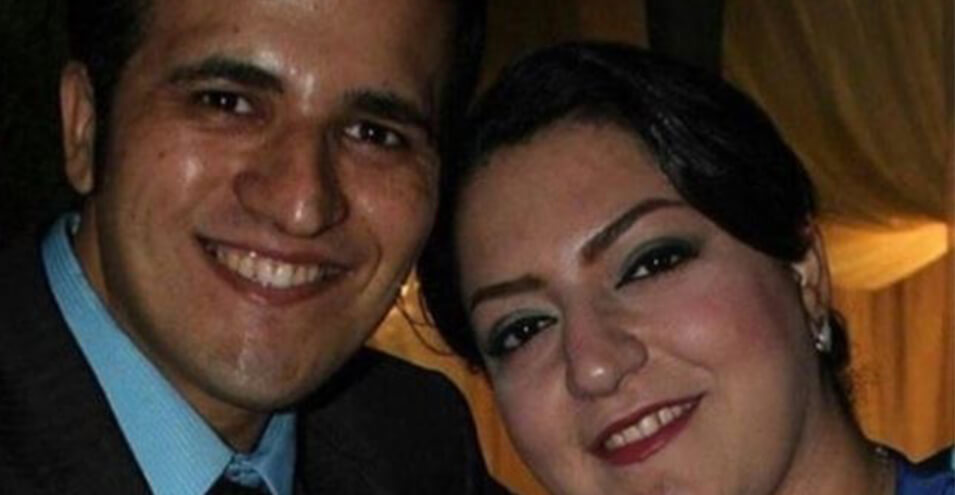
More than a week after widespread protests began in Iran, intensified security and law enforcement crackdowns, brutal suppression of people by government forces, and scattered reports of protester deaths, coupled with rising arrests of civil and political activists and harsh decisions and directives to media outlets to censor news about these popular protests, indicate the regime’s determination to impose comprehensive and unprecedented repression in dealing with the protesting society across the country. The arbitrary arrest of Saeed Madani, a sociologist who had repeatedly predicted widespread popular protests based on society’s conditions before their eruption, and the detention of Reza Shahabi and Reyhaneh Ansari, veteran labor rights activists, alongside the arrest or intensified security pressures on the artistic community, including four women documentary filmmakers and photographers (Mina Kashavarz, Firoozeh Khosrovani, Shelan Saadi, and Reyhaneh Taravooti) for undisclosed reasons, represent security and judicial actions against civil activists. Simultaneously, reports have emerged of meetings held at Iran’s Supreme National Security Council and the Ministry of Intelligence with journalists, newspaper editors, and editors-in-chief regarding the rise in prices and coverage of recent protests.
Hadi Ghaemi, director of the Human Rights Campaign in Iran, referring to signs of increased and multifaceted crackdowns in recent nationwide protests, said: “The continuation and expansion of nationwide protests in Iran and intensified government repression have not only increased concerns about a repeat of the massacre of protesters in November 2019, but have also provided an opportunity for the regime to suppress dissenting and critical voices.”
According to Hadi Ghaemi, “Internet shutdowns and the implementation of orders to censor news and arrest activists who have in any way voiced public protest, are all aimed at cutting off communication between Iran’s protesting society and the outside world. A path that enables the regime to suppress nationwide protests.”
The Human Rights Campaign in Iran holds the authorities of the Islamic Republic of Iran directly responsible for the lives and safety of all those killed or injured in popular protests, and considers the perpetual immunity of those who ordered and carried out suppressions of popular protests and the killing of demonstrators as a manifestation of continued suffering and compounded injustice for families who have lost their loved ones merely for participating in protests against price increases. Arbitrary arrests and cases filed against civil activists and the implementation of the most severe forms of censorship, from internet shutdowns to directives to journalists about how to reflect reality, have heightened the need for the international community to pay careful attention to Iran’s current situation. The Islamic Republic of Iran’s government wants to silence and render ineffective all voices of opposition and criticism, and in these circumstances, it should not be allowed for these different voices to go unheard by the world and remain silent.
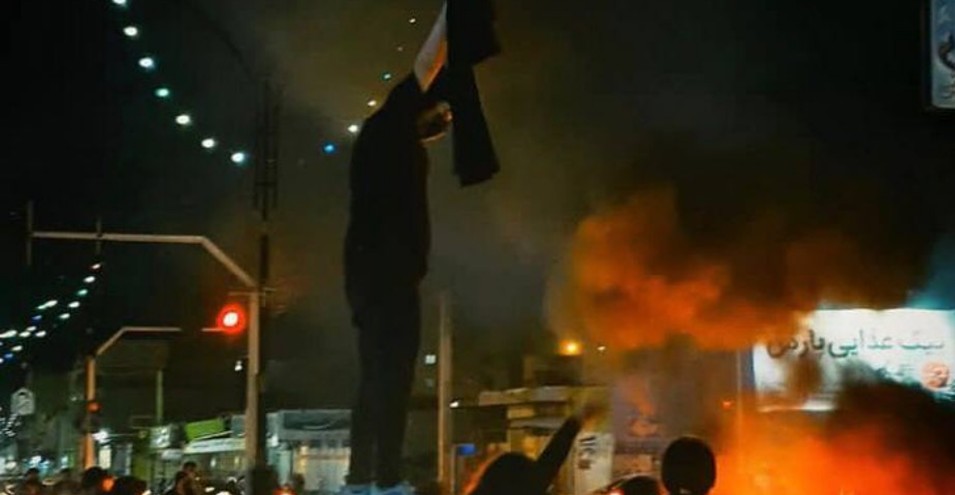
Protests against price increases in Iran initially began on April 5, 2023, in several cities in Khuzestan Province, including Susangerd and Izeh and areas of Ahvaz began. Gradually, people organized protest gatherings in more than 20 cities, which were met with suppression by government forces. The cities of Dezful, Shahrekord, Andimeshk, Izeh, Jonqan, Khorramabad, Feshafouyeh, Farsan, Borujerd, Dahdashti, Dorud, Ardabil, Nishapur, Sowq, Rasht, Ahvaz, Yazd, Shadegan, Shahin Shahr, Babaheydari, Hafshajan, and Yasuj, as well as areas of Mashhad and Tehran, witnessed popular protests, and these protests continue in some cities. Internet disruptions and shutdowns that began on the first day of protests continue to be reported in some parts of the country. In recent days, protests against price increases in several small towns and 2 villages in Chaharmahal and Bakhtiari Province have occurred, and the intensity of government forces’ suppression in these areas has been very high. In some videos and photos released from protests in cities in Chaharmahal and Bakhtiari Province, it is clear that security forces and police, in charging toward protesters, in some cases used direct shots of pellet bullets, causing serious injuries and wounds to demonstrators.
According to non-governmental sources and information published on social networks, so far 5 people have been killed in nationwide protests, with deaths of 2 of them confirmed by government sources as well. Hadi Saadatpour in the city of Hafshajan and Pish Ali Ghalibizadeh in the city of Andimeshk were citizens whose deaths were confirmed by authorities. According to unofficial reports, Omid Soltani in Andimeshk, Hamid Ghasempour and Behrouz Eslami in Farsan were also killed during protests against price increases.
Reports of increased numbers of detainees in various cities have also been published, indicating the detention of hundreds of people in the city of Izeh in Khuzestan Province and at least 50 people in Shahrekord in Chaharmahal and Bakhtiari Province.
Source: Human Rights Campaign in Iran