Dark Days in Iran’s Capital Market Amid Two Governments’ Inefficiency
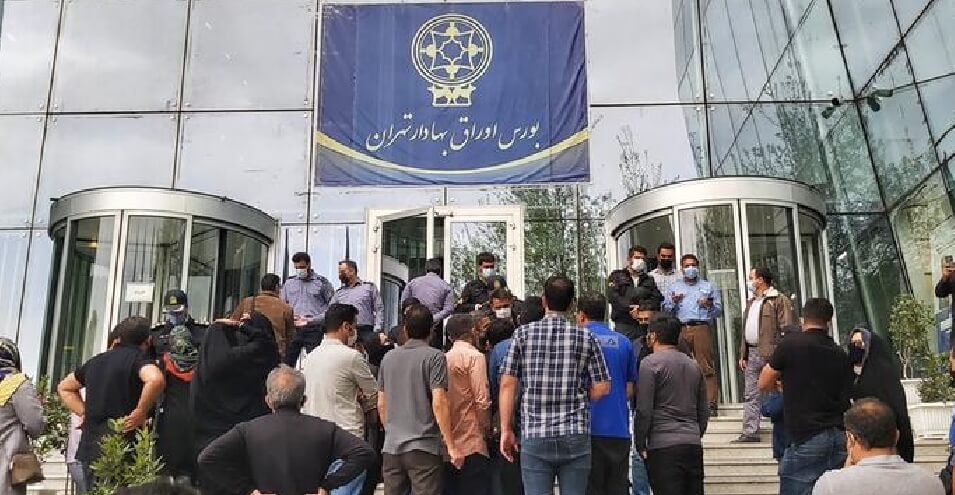
The Development Fund and the Stock Exchange have been left without a CEO. Meanwhile, 70 billion dollars of people’s capital has “evaporated.” In the dark days of the capital market, it seems that Raisi has no solution to the crisis stamped by Rouhani.
When state media in the Islamic Republic speak of “dark days” in the capital market, there can be no doubt that the situation in this market has deteriorated to such an extent that it cannot be concealed.
The flood of people’s participation in the stock market has given national dimensions to the capital market crisis in Iran. Islamic Republic officials speak of 50 million shareholders in Iran. Therefore, the financial crisis of the stock market is the financial crisis of the vast majority of this country’s people.
To examine this dire situation, let us start with the latest news. From a report published by “Quds Online” on Tuesday, November 2.
This source reported on the approval of a “plan to investigate and inspect the Stock Exchange Organization.” If this plan is converted into a bill, it apparently will increase oversight of the stock market.
This comes after the scandal over Bitcoin mining in the basement of the Tehran Stock Exchange building, when the CEO was dismissed and his deputy was temporarily appointed as acting head.
Evaporation of Savings
Not only are two important economic institutions of the Islamic Republic currently being run without a CEO, but other ambiguities have also cast a heavy shadow over financial transactions in capital markets. These include ambiguities arising from the unclear JCPOA negotiations in Vienna and the possibility of lifting sanctions.
Beyond that, many questions remain unanswered. The Central Bank’s policy on determining the dollar exchange rate remains unannounced. On one hand, there is talk of providing dollars at the official rate (the former Jahangiri dollar), and on the other hand, of administrative pricing.
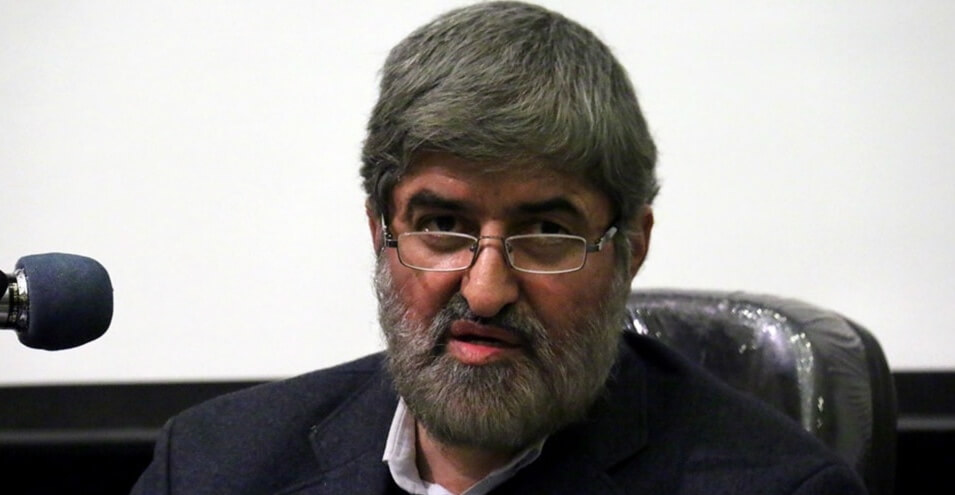
Gholamreza Marhabha, spokesperson for the parliamentary economic commission, addressed Hassan Rouhani’s approach to the stock market and asks: “On what professional basis did the former president last year invite people” to invest their money in this capital market?
Following Hassan Rouhani’s call to people to transfer their savings to the stock market, the Tehran Stock Exchange index fell by more than 30 percent. He says “in this drop, the value of 70 billion dollars of people’s capital evaporated.”
Many of these losers were low-income individuals who had invested their meager savings in the stock market and have now suffered losses to the point of bankruptcy.
Financial corruption should also be added to the factors contributing to these losses. For example, the spokesperson for the parliamentary economic commission speaks of the flow of people’s assets and savings into the accounts of fraudulent companies.
Marhabha said: “One such case is that a paper company (shell company) with a nominal capital of 200 billion tomans was registered on the stock exchange, and the shares of this paper company, which doesn’t even have a central office, were sold on the Tehran Stock Exchange to people at a price of 3,200 billion tomans, and the holders of these shares now have nothing but paper in their hands and have suffered enormous losses.”
Unclear Fate of Injected Funds
Four months have passed since the resignation of the CEO of the Development Fund for Stabilizing the Capital Market. More than a month has passed since the removal of Ali Sahraeei, CEO of the Stock Exchange Company.
Sahraeei was dismissed following the revelation of the news about cryptocurrency mining in the basement of the Stock Exchange building. He speaks of his withdrawal, and ISNA reported the dismissal by the Stock Exchange board.
The CEO of the Tehran Stock Exchange left, but no steps were taken to clarify the controversial Bitcoin mining story.
ISNA wrote about this controversy: “Although the matter was a disaster of its kind and the Stock Exchange Organization, as the oversight body of the Stock Exchange Company, announced that this case would be referred to the legal department, almost until now, except for Sahraeei’s dismissal, nothing else has happened in this company.”
It is said that despite it being clear who was involved in this matter, no one has been dismissed and no one has faced any consequences.
Before the Raisi government took office, the CEO of the Development Fund announced the injection of more than 2,000 billion tomans aimed at stabilizing the capital market. An amount that was supposed to be injected half in December of last year and the rest in May.
Although Mohammad Ibrahim Aghababaei, the resigned CEO of that fund, said the money has been injected, there is no information about the fate of this money. Mohammad Mehdi Asgarpour, who is currently acting as head of this fund, has not even been “willing to answer” an ISNA reporter.
Ibrahim Raisi: From Promise to Action
The capital market problem in Iran was among the issues that candidates in the presidential election addressed in their election campaigns.
One of the candidates (Qazizadeh Hashemi) spoke of a “three-day” solution to the stock market problem, and Raisi himself said he would create mechanisms to solve this problem.
The Amadd website, by publishing an article titled “The Stock Market Crisis is Very Serious,” also addressed the performance of Raisi’s government in this regard.
This news source wrote: “Although the Ibrahim Raisi government entered the field with many promises and by criticizing the policies of the previous government in the stock market sphere, no clear strategy from the president and the economic forces of this government regarding the stock market has been seen so far. To the extent that it can be said that sometimes the economic officials of the previous government were and are a head taller than the current appointed managers.”
The author of this article accuses the Raisi government and its economic officials of trying to overcome this crisis with “talk therapy,” and warns that “this crisis is going to impose itself on governance at the highest level.”
Source: DW