The Anniversary of Pastor Tateos Michaelian’s Murder: A Wound That Still Marks the Body of Iran’s Christians
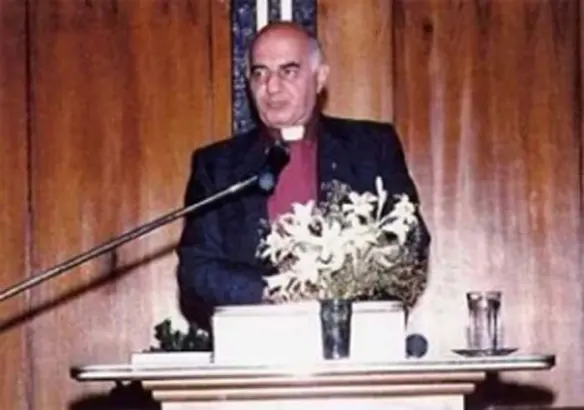
On the anniversary of the abduction and murder of Pastor Tateos Michaelian, one of the most prominent Christian leaders in Iran, attention is once again drawn to a case that for many human rights organizations represents a symbol of decades of oppression, discrimination, and pressure against the Christian community in the Islamic Republic. Michaelian’s killing, along with the deaths of two other Christian leaders in 1994, remains one of the darkest chapters in the history of religious freedom in Iran.
On such a day in 1994, Pastor Tateos Michaelian, the prominent leader of Iran’s Armenian Christian community, translator of the Bible into Persian, and one of the most renowned defenders of religious freedom, disappeared in Tehran. Three days later, his body was found bearing the marks of multiple gunshot wounds—a murder whose truth remains unclear to this day and continues to be considered one of the most controversial cases in the history of the Islamic Republic.
Michaelian was not merely a church leader; he was one of the few Christian figures who openly spoke about the structural discrimination against Christians in Iran. Just one month before his killing, he had declared that the Islamic Republic government treats Christians as second-class citizens, depriving them of many basic rights, refusing permission to build churches or freely publish the Bible, and creating severe pressure for Christians to abandon their faith and convert to Islam.
The year 1994 was a bloody year for Iran’s Christian community. That same year, Bishop Haik Hovsepian-Mehr, who had previously worked for the freedom of Pastor Mehdi Dibaj, was abducted and killed. Shortly after, Pastor Mehdi Dibaj, who had been imprisoned for years due to leaving Islam, was also murdered. These three killings occurred in rapid succession and became one of the darkest periods in the history of contemporary Christianity in Iran.
In the decades that followed, pressure on Christians, particularly convert Christians, not only did not cease but continued in the form of widespread arrests, closure of Persian-speaking churches, harsh prison sentences, confiscation of property, security interrogations, and restrictions on holding worship services. International organizations defending human rights and religious freedom have repeatedly stated that the Islamic Republic seriously violates freedom of religion change and freedom of worship, which are recognized in international human rights documents.
Annual reports from organizations such as the U.S. Commission on International Religious Freedom (USCIRF), Human Rights Watch, Amnesty International, and special rapporteurs of the United Nations, over many years have reported the arrest of priests, imprisonment of Christian citizens, pressure on their families, and severe restrictions on church activities in Iran. These organizations have repeatedly called for an end to security-based treatment of Christians and other religious minorities.
More than three decades after the murder of Pastor Tateos Michaelian, many questions about this case and other killings of Christian leaders remain unanswered. However, what is clear to many human rights activists is the continuation of an environment in which a significant portion of Christian citizens, particularly converts, continue to face threats, security pressures, arrests, and deprivation of their fundamental rights.
For the global Christian community, the memory and name of Pastor Tateos Michaelian is not merely a reminder of the martyrdom of a church leader, but a symbol of standing in defense of freedom of faith and human dignity—values that many believe continue to face serious challenges in Iran.