Reza Pahlavi’s Message to Foreign Delegations: Iran is Not Mourning Khamenei
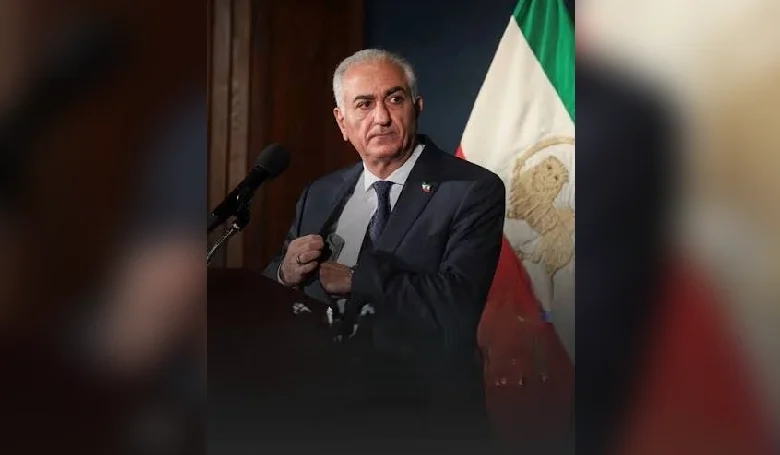
As dozens of foreign delegations attended the funeral and burial ceremony of Ali Khamenei in Tehran, Reza Pahlavi, a prince and opposition figure to the Islamic Republic, issued a sharp message to representatives of attending nations, describing the ceremony as a “propaganda show” by the government and emphasizing that the Iranian people are not mourning Khamenei. His remarks were released as international media reported that no leaders from Western democratic countries attended the ceremony, with the composition of foreign guests primarily consisting of officials from aligned or regional countries.
As the official funeral and burial ceremony of Ali Khamenei began in Tehran with delegations from dozens of countries in attendance, Reza Pahlavi released a message through his official Telegram channel addressed to foreign representatives participating in the ceremony:
“To the foreign representatives who have traveled to Tehran for the burial of the former dictator of the Islamic Republic;
Iran is not mourning Khamenei. Iran is grieving for over 40,000 men and women who were massacred on the 18th and 19th of Dey by Khamenei, Qalibaf, and their repression machinery. The regime spent enormous sums of the Iranian people’s wealth to stage this propaganda show, yet not a single leader from democratic countries attended it.
What you see today is not a nation mourning its ruler; rather, it is a nation full of righteous anger, and this very anger and heroic courage will bring down what remains of this criminal regime.”
Reza Pahlavi’s remarks reflect a position that has simultaneously garnered attention in some international media outlets. The Times of India reported, referencing this message, that Reza Pahlavi described the government’s funeral ceremony as a “propaganda show” and emphasized: “Iran is mourning the 40,000 killed by Khamenei, not him.”
Meanwhile, reports published by international media indicate that while officials and delegations from over 30 to 100 countries (according to varying figures from Iranian and international sources) attended the Tehran ceremony, no leaders from Western democratic countries participated. Most foreign guests consisted of officials from Russia, Pakistan, Afghanistan, Iraq, and other regional countries or political allies of the Islamic Republic.
Reuters also reported that the Iranian government sought to present an image of national cohesion and public support following the death of the former Islamic Republic leader through holding extensive ceremonies; however, the agency noted that it remains unclear to what extent these gatherings reflect the views of all segments of Iranian society, particularly given the history of widespread anti-government protests in recent years.
The Guardian, while describing the atmosphere of the ceremony, reported that the government portrays it as a symbol of national unity; yet it simultaneously emphasized that not all Iranians participated in the ceremony, and a significant portion of society remains dissatisfied with the economic situation, political restrictions, and repressions of past years.
Reza Pahlavi’s message in such circumstances represents an attempt to convey to foreign delegations present in Tehran that, from his perspective, the government’s official ceremony does not necessarily reflect the sentiments of a large segment of Iranian society—an issue that, concurrent with international media coverage, has become one of the main topics of discussion surrounding Ali Khamenei’s burial ceremony.