Expansion of U.S. Attacks to Northern Iran; Conflict Extends from Strait of Hormuz into Iranian Territory
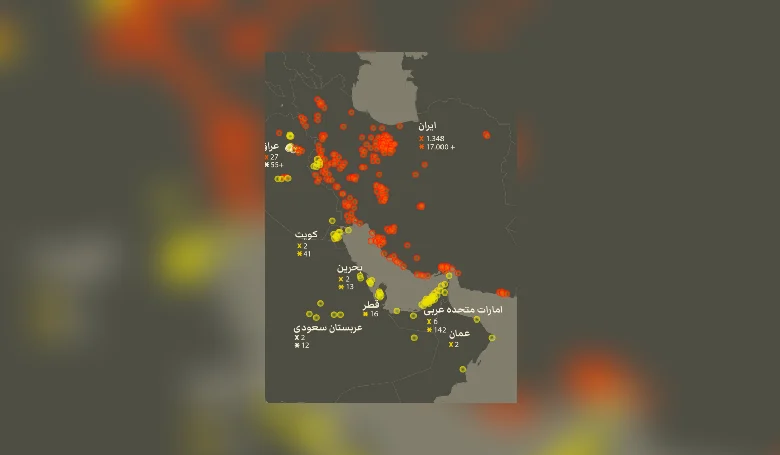
With the expansion of U.S. attacks to northern regions of Iran, including areas around Tehran and Semnan Province, military engagements between Washington and Tehran have entered a new phase. Concurrent with ongoing tensions in the Strait of Hormuz and the exchange of strikes between the two sides, concerns about the escalation of conflict in the Middle East have intensified further.
U.S. military operations against Iran have entered a new stage, and for the first time in this round of hostilities, targets in northern Iran, including areas around Tehran and Semnan Province, have been struck. According to the Associated Press, this shift indicates an expansion of operations from southern regions and the Persian Gulf shores into the depths of Iranian territory.
Based on this report, Semnan Province, which is considered one of Iran’s major centers for ballistic missile programs and space activities, has been among the targets of recent attacks. Iranian domestic media outlets have also reported strikes in Hamadan, Lorestan, Markazi, Khuzestan, Hormozgan, and Sistan and Baluchestan provinces.
At the same time, the U.S. Central Command announced that American forces stopped a tanker flying a Curacao flag that was heading toward Khark Island after it ignored repeated warnings and prevented it from continuing its course. Washington has accused the vessel of attempting to breach the naval blockade imposed against Iran.
In response, Iran fired missiles and drones toward Bahrain, Jordan, and Kuwait in retaliation for these attacks. Military officials of the Islamic Republic have warned that if U.S. attacks on Iranian infrastructure continue, Tehran will expand the scope of its retaliatory operations.
Ibrahim Zolfaqari, spokesperson for the Khatam al-Anbia Central Headquarters, also emphasized that the Islamic Republic will not accept any American interference in the Strait of Hormuz, describing this strategic waterway as Iran’s “red line.” The Islamic Revolutionary Guard Corps has also threatened that if the naval blockade continues, energy exports from the region will face serious disruption.
These developments come as the temporary understanding between Tehran and Washington, which had previously reduced the intensity of hostilities, has effectively collapsed. The resumption of mutual attacks by the two sides has heightened concerns about the crisis escalating into a broader conflict in the Middle East, and global energy markets have been affected by these developments.
Military analysts consider the expansion of U.S. attacks to northern Iranian regions one of the most significant battlefield developments since the onset of this conflict; a shift that could indicate an increase in the scope of America’s operational targets in the depth of Iranian territory, while diplomatic efforts to contain the crisis have so far proven unsuccessful.