New Wave of Heavy Prison, Flogging, and Exile Sentences as Crackdown Continues Following December Protests
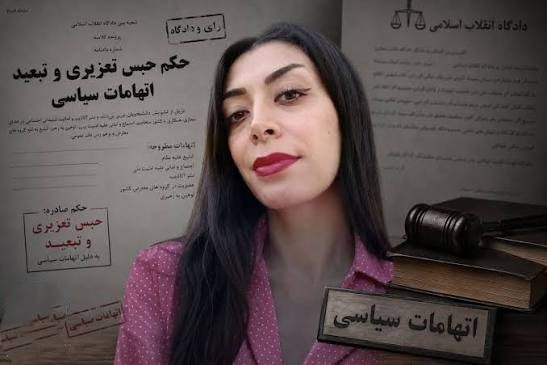
The Iranian judiciary has continued its campaign against protesters and critics by sentencing a number of political activists, arrested citizens, and signatories of a statement supporting Mir Hossein Mousavi to heavy prison sentences, flogging, and exile. These sentences come amid reports of torture of detainees and increasing security pressure, raising concerns about the intensification of repression against opponents in Iran.
Continuing the wave of security and judicial proceedings against critics of the Islamic Republic following the December 2025 protests, Iran’s judiciary has issued new sentences against a number of political activists and protesting citizens. According to reports published by human rights sources, these sentences include imprisonment, flogging, and exile, indicating that the crackdown on opponents continues.
In one case, Seyyed Alireza Beshti-Shirazi, Nasser Daneshfar, and Mohammad Javad Dardkeshsan, signatories of the statement supporting Mir Hossein Mousavi, have been sentenced to a combined 36 months of imprisonment. The human rights organization Hengaw has reported that these sentences were issued by Branch 23 of the Tehran Revolutionary Court on the charge of “propaganda activity against the system” and were communicated to their lawyers.
According to the issued verdict, Seyyed Alireza Beshti-Shirazi and Nasser Daneshfar were each sentenced to 15 months of imprisonment, while Mohammad Javad Dardkeshsan was sentenced to six months in prison.
This case was formed in Bahman 2025 based on a report from the Legal Department of the Ministry of Intelligence. The main evidence cited by security agencies was the signing of a statement by over 400 political activists in support of Mir Hossein Mousavi’s positions and condemning the suppression of December protests.
Meanwhile, Sina Setoudeh, a 31-year-old resident of Ramsar and one of those arrested during the December protests, was sentenced by the Shahsavar (Tonekabon) Revolutionary Court, presided over by Judge Fazel, to eight years in prison on the charge of “action against national security.”
It should be noted that this citizen has been summoned to the Ramsar Sentence Execution Office to carry out his sentence, and security agencies have asked him to present himself within the coming days to serve his sentence.
Sina Setoudeh was arrested by security forces on December 20, 2024, and after approximately two and a half months was temporarily released on bail. According to informed sources, during his detention he was subjected to severe torture and as a result of beatings suffered broken teeth, damage to his hands and feet, serious injuries to his ribs, blows to the genital area, and internal bleeding.
In another case, Neda Dade-Jani, an artist and puppeteer, and Setayesh (Behnoosh) Sarabi, two Kurdish citizens from Qorveh who were arrested during the December protests, have also faced heavy judicial sentences.
Branch 102 of the Criminal Court of Qorveh sentenced each of these two citizens to one year in prison, 31 lashes, and two years of exile to Nik Shahr in Sistan and Baluchestan Province on the charge of “disrupting public order and security.”
Additionally, Branch One of the Qorveh Revolutionary Court sentenced each of them to two years in prison on the charge of “assembly and collusion to commit crimes against internal security.” In total, each of these two citizens faces three years in prison, 31 lashes, and two years of exile, with two years of their prison sentence being enforceable according to reports.
Neda Dade-Jani is a recognized artist in the field of theater who previously won the award for best puppetry and first prize for puppet design and creation at the Eighth Regional Theater Festival for People with Disabilities, and also has experience as a costume designer and makeup artist for theater in her record.
The issuance of these sentences continues as human rights organizations have repeatedly warned about increased pressure on political activists, artists, and protesters following the nationwide protests. The use of security charges, the imposition of lengthy prison sentences, the application of punishments such as flogging and exile, as well as recurring reports of torture of detainees, are among the matters that international bodies regard as evidence of the intensification of restrictions on freedom of expression, the right to protest, and civil activities in Iran.