Controversy Over a Building; Municipality Says It’s Not Historic
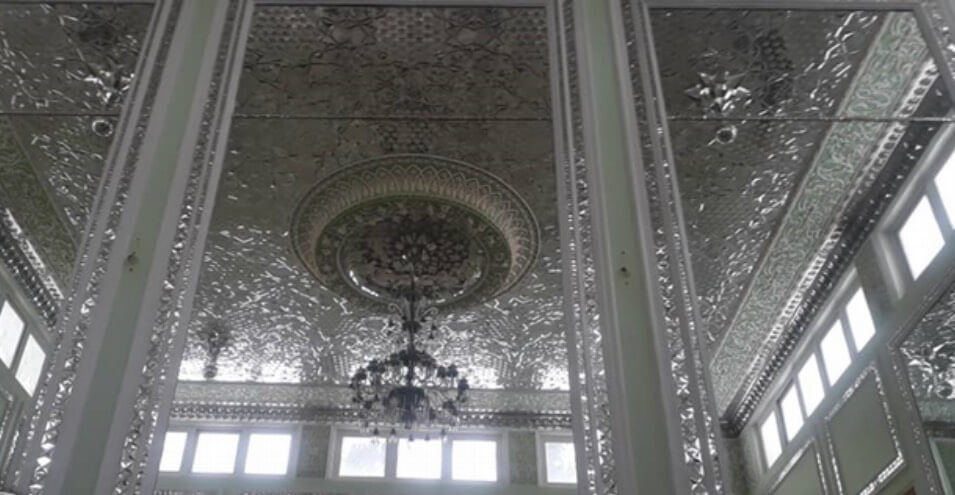
It is reported that Tehran’s mayor has ordered the sale of a building in the city that critics consider historic. The municipality says it is not historic. Beyond the question of whether the building is historic or not, there is another question: is city selling continuing in the capital?
In Aqdisiyeh, located in northern Tehran, on a street that according to some Iranian media is an “exclusive street called South Golestan,” there is a two-story building that has been referred to by names such as “Golestan Building” or “Mayors’ House.”
Some domestic media outlets, by publishing a letter from Hanachi, Tehran’s mayor, reported that the mayor has ordered the municipality’s property organization to sell this house for cash. According to these reports, the sale of this house is intended to finance part of the capital’s development projects.
Following the publication of this letter, some news agencies such as FARS News Agency, by calling this building historic, which is said to have been built during the “Pahlavi Era,” reacted to the order to sell the house and, emphasizing the “historical nature of the Aqdisiyeh building,” considered Tehran’s mayor’s order contrary to the practice of urban management based on the non-“sale of cities.”
A high percentage of municipal resources in Iran are provided by construction fees, or in other words, from city selling. Newspaper Hamshahri wrote two years ago in an article on this matter: “City selling; meaning selling land and hosting more population; meaning reducing services; meaning density.”
The mayor’s advisor and head of the Tehran Municipality’s Communications and International Relations Center has reacted to the news of the order to sell “a historic building.” Gholamhossein Mohammadi, in a conversation with IRNA, referring to the report published regarding Hanachi’s order to “sell the mayors’ house,” said: “Tehran Municipality has in practice shown that it even prevents the sale of historic houses by their owners and heirs, and when it becomes aware that these houses are at risk of demolition or sale, it takes action and purchases them.”
He called the claim in this report that referred to this building as a “historic house” “far from reality.”
Mohammadi wrote in a tweet on this matter that this house is not a registered historic or heritage site.
In initial searches, much information cannot be found about the history of this building. FARS News Agency writes that this building was previously owned by one of the court’s affiliates. Use as a nursing home, the City Film Secretariat or the municipality’s public relations during Qalibaf’s tenure, a guesthouse for special guests or the reception of ambassadors, are among the uses attributed to this building in the years following the revolution. It is also said that this house was supposed to be the mayors’ residence for some time.
Whether this house is historic or not, and if it is sold, what will happen to it, is unclear.
But what is unclear and more important is the number of historic houses in the capital and other cities that have either been forgotten or have been sold and destroyed in obscurity and media silence, or have been repurposed; for example, the Anis al-Dawla House, which recently caused a stir and turned out to be the location of Tehran’s butchers.
Beyond the fate of this house, perhaps the commotion over this building will shed light again on “city selling” with “dimmed lights” in Tehran. Last month, the Farhangiyan newspaper, in a report referring to numerous files of building violations, wrote about city selling: “A greedy approach to these files and opening accounts on financial penalties and turning a blind eye to demolitions creates concerns and reinforces the suspicion that city managers are riding on the old procedure and with a commodity view of the city seek to generate revenue from illegalities and will continue city selling in various ways.”
Hamshahri, in a report on this same issue published two years ago, referred to the record of Mohammad Hasan Malekmamdani, the fifty-third mayor of the capital, who in the early 1980s marked “the most important event in Tehran.” Hamshahri writes: “Malekmamdani was the only Tehran mayor who stood against the sale of density. He believed that cities should not be run through city selling. Malekmamdani announced that there would be no more density sales in Tehran.” What was his fate? Hamshahri: “Less than a few months later, he was dismissed.”
Source: DW