Iran Becomes Focus of New U.S. Counter-Terrorism Strategy
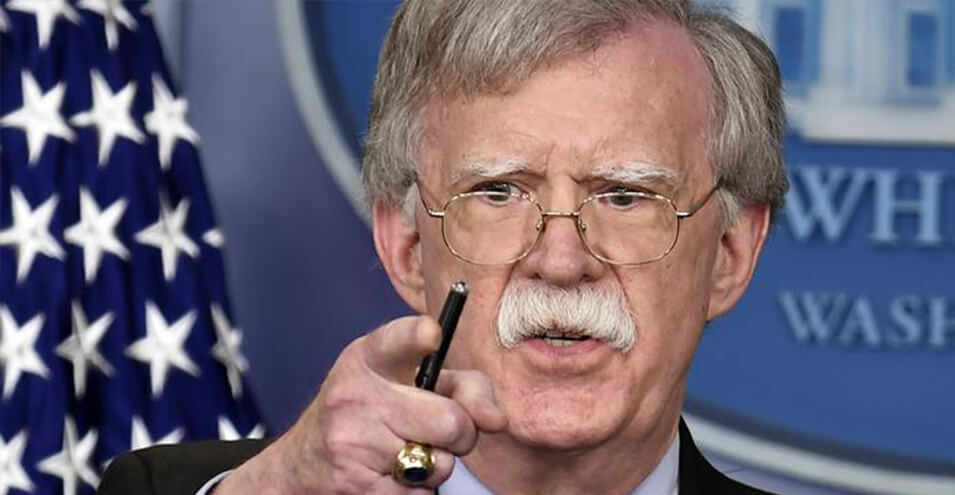
The United States, in line with its new strategy on “National Strategy to Counter Terrorism,” has focused its attention on the Islamic Republic of Iran among others. According to the U.S. National Security Advisor, Iran is the world’s largest financial supporter of terrorism.
John Bolton, National Security Advisor to U.S. President Donald Trump, outlined America’s new strategy for “National Strategy to Counter Terrorism” at a press conference Thursday evening, September 12 (October 4).
This is the first time since 2011 that the United States government has presented a new strategic plan in this regard. In the plan announced by the Barack Obama administration at that time, countering the terrorist network al-Qaeda was at the center of America’s strategy.
Washington, however, has focused its attention in its new counter-terrorism strategy on the Islamic Republic of Iran among others.
John Bolton, in his explanation of this new strategy, verbally attacked Iran and stated that since the Islamic Revolution of 1357 (1979), Iran has been the “central bank of international terrorism.”
He said that extremist groups and organizations such as Hezbollah Lebanon, Hamas, and Islamic Jihad, which receive financial support from the Islamic Republic, are a threat to America and its interests and are enemies of Israel, considered America’s ally.
In annual reports by the U.S. State Department, Iran has always been referred to as one of the “state sponsors of terrorism in the world.” However, the Donald Trump administration considers the Islamic Republic the “leading state sponsor of terrorism.”
Bolton, known for his tough stance against the Islamic Republic government, in his remarks to reporters while referring to the extensive U.S. sanctions against Iran stated: “We are determined to make no exceptions regarding the purchase of Iranian oil, gas, and condensates so as to bring Iran’s sales to zero.”
According to him, America should not necessarily reach this goal, but no one should “be under any illusions about the objectives of the United States.”
A new round of U.S. sanctions against the Islamic Republic is set to be implemented from November of this year (Aban month). The first round of these sanctions was implemented in August of this year (Mordad month).
A number of major buyers of Iranian oil have in recent weeks significantly reduced or even halted their oil purchases and imports from the Islamic Republic.
John Bolton previously also criticized the European Union’s plan to create a special mechanism to circumvent U.S. sanctions against Iran, warning that the United States would be “steadfast and persistent” in enforcing sanctions.
On Tuesday, October 3 (September 25), in a speech at the “Coalition Against Iran’s Nuclear Program” conference in New York, he also warned the Islamic Republic that “if Iran does not change its behavior, it will be forced to pay a very heavy price.”
The U.S. National Security Advisor had previously also referred to the effects of sanctions on Iran’s economy and politics, assessing these effects as profound.
Bolton had stated: “This is what we have been seeking. We are determined to force the Iranian regime to make fundamental changes in its behavior. If they do not change their behavior, they will face greater consequences. Because we will impose more sanctions against them and will maximize our pressure on them.”
Donald Trump, the U.S. President, following this country’s withdrawal from the JCPOA in May, ordered that sanctions suspended following the nuclear agreement with the Islamic Republic against Iran be reimposed.
Source: DW