Reza Pahlavi Warns on Aktau Convention: “Iran’s Caspian Sea Rights Are Non-Negotiable and Inviolable”
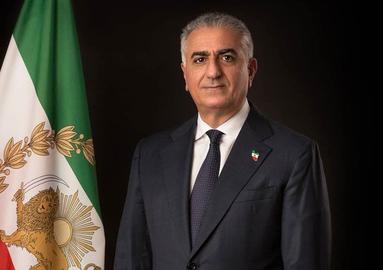
Reza Pahlavi, criticizing the Islamic Republic’s efforts to advance and implement the “Convention on the Legal Regime of the Caspian Sea,” known as the Aktau Convention, stated that this measure contradicts Iran’s national interests and emphasized that no decision regarding resources, borders, and Iran’s rights in this maritime zone will be legitimate without the genuine consent and participation of the Iranian people.
Reza Pahlavi issued a warning in a statement regarding the legal status of the Caspian Sea, addressing what he described as the Islamic Republic’s efforts to advance and implement the “Convention on the Legal Regime of the Caspian Sea.”
Referring to the political conditions of the Islamic Republic and what he described as a “severe structural weakness and legitimacy crisis” of this government, he stated that implementing this convention without the backing of the Iranian people’s will and without clear and complete guarantees of the country’s historical rights would constitute a serious threat to Iran’s national interests.
In this statement, Reza Pahlavi referenced the 1921 and 1940 treaties between Iran and the Soviet Union, writing that the legal regime of the Caspian Sea was formed on the basis of shared rights between the parties, the principle of agreement, and mutual interests.
He also referenced the “Alma-Ata Declaration” of December 1991 and argued that newly independent countries following the collapse of the Soviet Union emphasized adherence to former Soviet treaties and the implementation of resulting international obligations.
Based on the position presented in this statement, any fundamental change in the legal status of the Caspian Sea must occur with the mutual agreement of all littoral states and with full respect for Iran’s rights.
One of the main focal points of Reza Pahlavi’s criticism relates to the provisions of the Aktau Convention concerning the possibility of concluding bilateral and multilateral agreements among littoral states regarding portions of the Caspian Sea bed and sub-bed.
He believes this mechanism could circumvent the principle of agreement among all littoral states and consequently weaken Iran’s historical position in determining the legal status of this maritime zone.
In another section of his statement, referencing his positions since the signing of the Aktau Convention in 2018, Reza Pahlavi reiterated his opposition to the current process.
He wrote: “Since the signing of the Aktau Convention in 2018, I have repeatedly warned that national interests cannot be protected from a position of weakness. At that time, I also emphasized that the deviant cult of the Islamic Republic sacrifices the interests of the Iranian nation and homeland for its own survival, and in foreign policy, it submits to successive concessions from a position of weakness.”
Reza Pahlavi then stated his position regarding the Islamic Republic’s current efforts to ratify this convention: “My position on the current process remains the same. I consider the Islamic Republic’s effort to ratify this convention to be an action contrary to Iran’s national interests.”
In the concluding section of his statement, Reza Pahlavi made decision-making regarding resources, borders, and Iran’s rights in the Caspian Sea contingent upon the participation and consent of the Iranian people, emphasizing that the country’s rights in this maritime zone are non-transferable and inviolable.
He concludes by writing: “No decision regarding resources, borders, and Iran’s rights in this maritime zone will be legitimate without the genuine consent and participation of the Iranian people. Iran’s rights in the Caspian Sea are non-negotiable and inviolable. Any action aimed at undermining these rights will be recorded in the historical memory of the Iranian nation, and decision-makers will be accountable and answerable to the Iranian people.”
The issue of the legal regime of the Caspian Sea is considered an important and sensitive matter in Iran’s relations with the four other littoral states: Russia, the Republic of Azerbaijan, Kazakhstan, and Turkmenistan. Determining the boundaries of the seabed and sub-bed, the exploitation of resources, and the manner of cooperation among littoral states are among the issues that have received attention within the framework of legal developments in this maritime zone.
Reza Pahlavi’s position in this statement is based on the principle that any decision regarding Iran’s rights and interests in the Caspian Sea must be made with the genuine participation of the Iranian people and with guarantees for the country’s historical rights.