Two More Young Protesters Executed in Isfahan’s “Alighani Square” Case
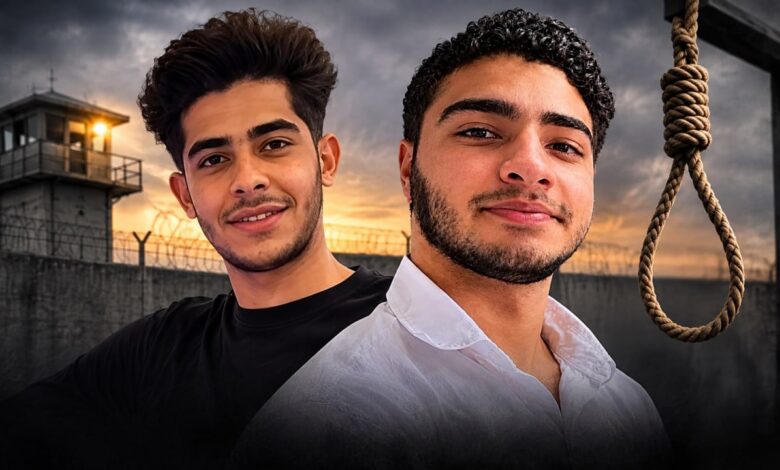
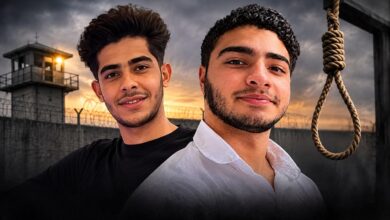
“Amir Hossein Maleki” and “Amir Hossein Ebrahimi,” two detainees from the December 2024 protests, were executed early Tuesday, November 3, at Dastgerd Prison in Isfahan. With the execution of these sentences, the number of those executed in the case known as the “Alighani Square” case has reached 9 people; a case that human rights reports about the torture of the accused and violations of fair legal procedures have raised serious questions about the credibility of the judicial process.
The Judiciary of the Islamic Republic announced the execution of Amir Hossein Maleki and Amir Hossein Ebrahimi through the Mizan news agency. These two young men were among those detained during the nationwide protests of December 2024 in Isfahan and were defendants in the case known as the “Alighani Square” case; a case that has been linked to the killing of four police and Basij members during the events of December 18.
According to a report by Hengaw as well, the families of these two young men were summoned to the prison on Monday for a final visit, and their death sentences were carried out early the next morning at Isfahan’s central prison, known as Dastgerd Prison.
Amir Hossein Ebrahimi was a medical student and Amir Hossein Maleki were arrested during the December protests in the area of Alighani Square located in Malard, Isfahan. Hengaw reported that Ebrahimi was caught in a crowd while riding a motorcycle toward his grandmother’s house and was arrested after being identified through mobile phone tracking.
This human rights organization also reported that Ebrahimi was subjected to physical and psychological torture during interrogation to extract forced confessions. Iran’s Human Rights Organization also reported in a report on this case of torture of the accused and extraction of forced confessions, including pressure on Ebrahimi’s teenage brother to confess against him. These reports raise serious concerns about the basis for issuing death sentences in this case.
The judicial authorities of the Islamic Republic convicted these two individuals on charges including “moharebeh” (enmity against God) and “corruption on earth.” State media accused them of involvement in events that led to the deaths of security personnel; however, a Euronews Farsi report, citing the lawyer of a former defendant in this case, indicates that the charge of killing officers was not communicated to the accused and was not specifically addressed in court. This, coupled with reports of torture and forced confessions, raises fundamental questions about the transparency and justice of the legal proceedings.
With the execution of Maleki and Ebrahimi, the number of those executed in the Alighani Square case has reached 9 out of a total of 12 sentenced to death. Accordingly, three other convicts in this case remain facing the risk of execution.
The execution of these two young men once again demonstrates that the judicial system of the Islamic Republic, instead of providing transparent accountability about the charges, presenting verifiable evidence and guaranteeing the right to defense of the accused, continues to carry out death sentences. Even if the charges brought against the accused are serious, no charge justifies torture, forced confessions, or depriving individuals of fair legal proceedings. The right to life and the right to fair trial must be protected for everyone.
Two more young men are no longer alive; their families face irreplaceable loss, and three other convicts in this case remain at risk of execution. The pressing question is: Who will be held accountable for the lives lost in the shadow of controversial trials and death sentences? Halting the execution of the remaining sentences, an independent and transparent investigation into torture allegations, and ensuring the accused’s access to independent counsel are urgent necessities.