US sanctions 12 Iranian individuals and entities over crackdown on protests
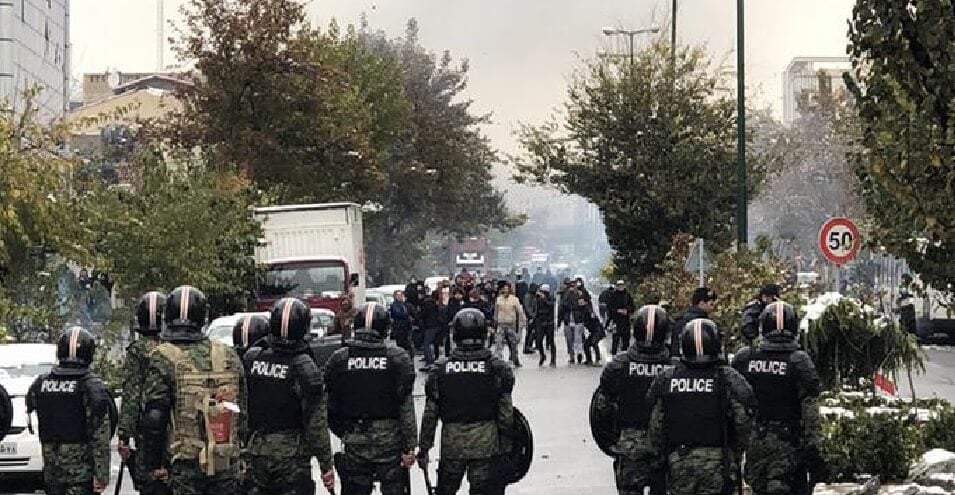
وزارت خزانهداری آمریکا ۸ شخص حقیقی و ۴ نهاد ایران را به دلیل سرکوب معترضان و نقض حقوق بشر به فهرست تحریمهای خود افزوده است. یگان ویژه ناجا و نیروهای ویژه پاسداران ولایت تحت تحریم قرار گرفتهاند.
وزارت خزانهداری آمریکا طی بیانیهای اعلام کرد، ۱۵ شخص و چهار نهاد در ایران، سوریه و اوگاندا را به دلیل نقض حقوق بشر و سرکوب معترضان تحریم کرده است.
به گزارش رویترز، ۸ شخص حقیقی و ۴ نهاد ایرانی به دلیل نقض حقوق بشر در فهرست اشخاص و نهادهای تحت تحریم دفتر کنترل داراییهای خارجی (اوفک) که از نهادهای زیرمجموع این وزارتخانه است اضافه شده است.
وزارت خزانهداری آمریکا در وبسایت خود آورده که این تحریمها از جمله شامل یگان ویژه ناجا و نیروهای ویژه ضد تروریسم (نوپو) که به نیروهای ویژه پاد وحشت (نیروهای ویژه پاسداران ولایت) نیز معروفند و غلامرضا سلیمانی، رئیس سازمان بسیج مستضعفان میشود.
زندان مرکزی اصفهان و زندان زاهدان نیز به فهرست نهادهای تحت تحریم اوفک اضافه شده است.
بنا بر این گزارش، رضا موسوی اعظمی، فرمانده یگان ویژه ناجا و محسن ابراهیمی، فرمانده نوپو از جمله اشخاص حقیقی تحریم شدهاند.
لیلا واثقی، فرماندار شهر قدس (قلعهحسن خان) که در اعتراضات آبان ۹۸ دستور تیراندازی به سوی معترضان را داده بود در فهرست سیاه آمریکا قرار گرفته است.
علی همتیان و مسعود صفدری، از سپاه پاسداران، حسن کرمی، فرمانده یگان ویژه نیروی انتظامی، صغری خدادادی، رئیس زندان قرچک و محمد کرمی، فرمانده قرارگاه قدس جنوب شرق نیروی زمینی سپاه از دیگر افرادیاند که هدف تحریمهای تازه آمریکا قرار گرفتهاند.
این افراد و نهادها با استناد به قوانین مگنیتسکی و کاتسا در فهرست تحریمهای آمریکا قرار گرفتهاند.
بر اساس قانون ماگنیتسکی که سال ۲۰۱۲ در کنگره آمریکا به تصویب رسید، دولت این کشور میتوانند مقررات محدود کنندهای علیه ناقضان خارجی حقوق بشر در آمریکا اعمال کند، حتی اگر فرد قربانی شهروند آنان نباشد یا مورد نقض حقوق بشر، در خاک و قلمرو این کشور گزارش نشده باشد.
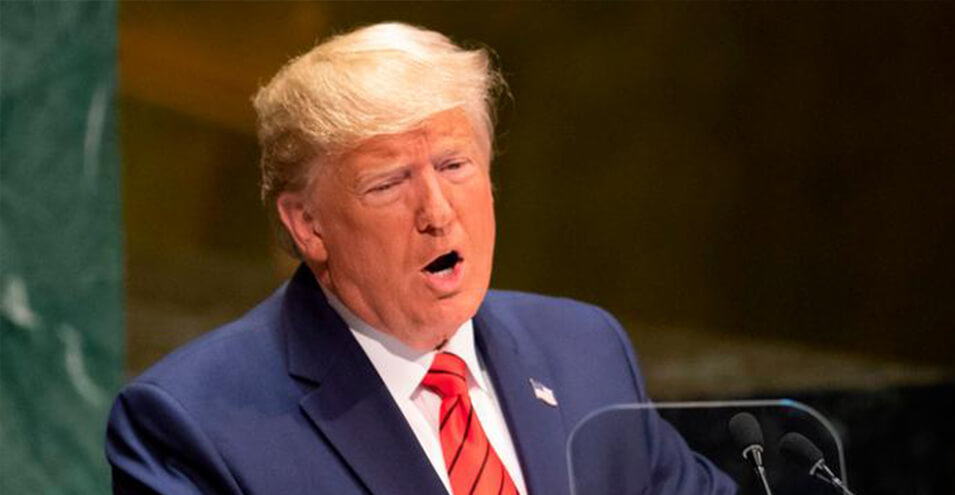
قانون کاتسا در دوران دونالد ترامپ با رأی قاطع کنگره و سنای ایالات متحده آمریکا، علیه ایران، روسیه و کره شمالی به تصویب رسید، تا از طریق تحریم با آنچه اقدامات خطرناک و دشمنانه این کشورها در قبال آمریکا و متحدانش خوانده شدهاست، مقابله شود.
Source: DW