Normalizing pain tolerance for people: The regime's new strategy
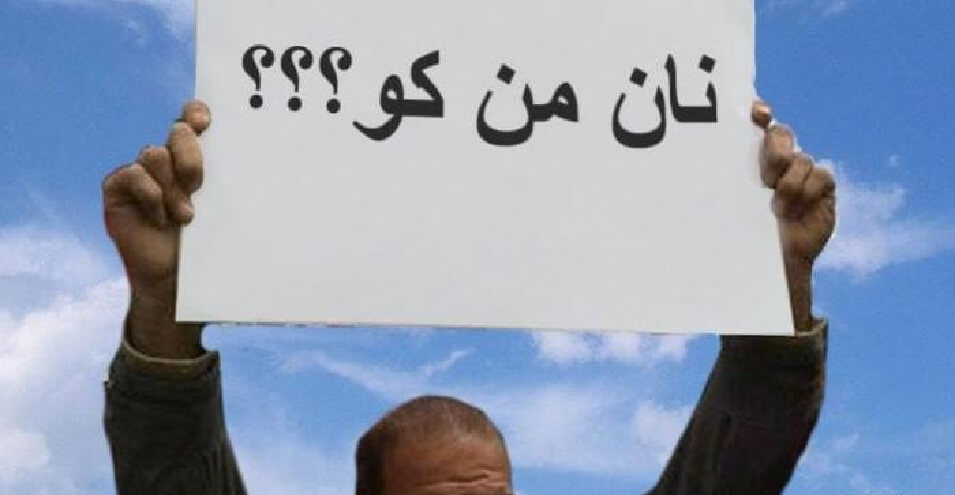
با وجود اعتراضات گسترده اخیر و شعارهای علنی ساختارشکنانه، جمهوری اسلامی خود را بیاعتنا نشان میدهد. از نظر علی افشاری، تحلیلگر سیاسی، استراتژی جدید نظام، عادت دادن مردم به تحمل رنج ناشی از مشکلات توانفرسای معیشتی است.
سخنان آقای سیدعلی خامنهای در دیدار با دستاندرکاران کنگره “شهدای عشایر” دریچهای به روی راهبرد نظام برای حفظ و تثبیت وضعیت موجود سیاسی گشود. رهبری نظام جمهوری اسلامی ایران به مسئولان و نیروهای نظام هشدار داد که «دشمن با بنبستنمایی، به دنبال تضعیف امید و ایمان دینی مردم است».
او در ادامه تلاشهای گذشته و بیاعتنا به واقعیتهای تلخ موجود میکوشد تا خوشبینی نسبت به آینده را حداقل در درون پایگاه اجتماعی نظام نگه دارد. البته کار او فقط “جهاد تبیینی” نیست، بلکه از انذار و تهدید هم بهره میبرد. عذرخواهی علنی رئیس صدا و سیما در این چارچوب قابل درک است. نوری همدانی که چندی پیش نسبت به بیاعتنایی به مشکلات معیشتی مردم انتقاد کرده بود، بعد از سخنان خامنهای، ضمن تاکید بر اینکه “نظام باید بماند”، از ضرورت خوشبینی نسبت به آینده سخن گفت.
مسئولان نظام و چهرههای سیاسی و اجتماعی حامی آن دریافتهاند که هزینه ناخرسندی رهبری از اقدامات آنها به طور نسبی بیشتر از گذشته شده است. همه باید با برخوردهای متوهمانه او که در گسست کامل از دنیای واقعیات و فکتها قرار دارند همراهی کنند و به مردم بقبولانند که پادشاه عریان نیست!
رمزگشایی از سخنان جدید خامنهای و توجه به ارتباط محتمل آن با بازداشت شماری از نیروهایی که پیشتر افسران “جنگ نرم با دشمن” بودند، این فرضیه را قوت میبخشد که هسته سخت قدرت با اصرار بر فضای پلیسی و بسته نگاه داشتن عرصه سیاسی، حتی پذیرای انتقادات درونی اصولگرایان از ضعف عملکرد دولت رئیسی و مجلس یازدهم نیست.
رهبری نظام تصور میکند با حمایت سیاسی و تبلیغاتی میتواند موج ناامیدی فزاینده نسبت به عملکرد دولت سیزدهم و ابطال عملی وعدههای تخیلی آن را مدیریت کند. رصد کردن تحولات نشان میدهد که آستانه تحمل نظام برای اعتراض و انتقاد به کارگزاران ارشد مورد حمایت خامنهای، حتی برای خودیها کاهش یافته است.
نهاد ولایت فقیه کماکان با اتکا به استفاده از قوه قهریه و برخوردهای امنیتی در اندیشه جلو بردن برنامه حاکمیت تکصدایی در نهادهای حاکمیتی و خاموش کردن ناراضیها است. موفقیت این راهبرد با توجه به گسترش نارضایتی در میان پایگاه اجتماعی نظام به کسانی که داعیه “مدیریت انقلابی و جهادی” داشتند، محل تردید جدی است. اما چالش اصلی نظام ناتوانی در مهار گسلها و واگراییها در بلوک قدرت نیست، بلکه رشد اعتراضات خیابانی و کنشگری در اقشار مختلف جامعه است که از شدت مشکلات گوناگون و در راس آنها تشدید فلاکت اقتصادی کشور به تنگ آمدهاند.
آنچه در میانه گسترش ملموس خشم و بیزاری و استیصال در جامعه ایران عجیب به نظر میرسد، اطمینان خاطر نظام و بخصوص نهادهای اطلاعاتی و امنیتی است که نگرانی و دغدغه خاطری نسب به افزایش اعتراضات خیابانی و کاهش میزان تابآوری مردم ندارند. این اعتماد به نفس بالا میتواند ناشی از محاسبه غلط باشد، اما در عین حال همچنین نشانگر باور به توان سرکوب و مهار اعتراضات در آینده است.
بررسی برنامه دولت رئیسی و امید بستن به سیاست شکستخورده شوکدرمانی در پوشش “جراحی اقتصادی” روشن میسازد که اصولگرایان حاکم دلخوش به دائمی کردن رنج و عادیسازی تحمل درد از سوی مردم هستند. آنها که دولت گذشته را به دلیل بیاعتنایی به خواستههای معیشتی مردم سرزنش کرده و وعدههای سرخرمن زیادی میدادند، حال فکر میکنند بعد از قبضه کامل قدرت میتوانند با فریبکاری، گفتاردرمانی و سرزنش دولت آمریکا به عنوان منشا اصلی مشکلات، میتوانند حل مشکلات را به آینده نامعلوم حواله بدهند. نتیجه طبیعی این رویکرد عادی شدن تحمل درد و رنج از سوی مردم است.
مهدی طائب، از اعضای “قرارگاه عمار”، چندی پیش اظهار داشت که مردم اگر هشت ماه درد و رنجها را تحمل کنند و به دنبال مخدر راهکارهای کوتاهمدت به عنوان مسکن، چون ارز ترجیحی ۴۲۰۰ تومانی نباشند، اوضاعشان بسامان خواهند شد! او توضیحی نمیدهد که چگونه و در بستر چه اتفاقی بعد از هشت ماه سختیها برطرف خواهد شد! چشمانداز موجود از منظر واقعیتهای حاکم بر اقتصاد کشور نه تنها نشانهای از بهبود رونق فضای کسب و کار و مهار تورم نمیدهد، بلکه بیانگر تشدید مشکلات معیشتی و گسترش جمعیت زیر خط فقر است.
در واقع ترجمه عملی سخن طائب که بازتابدهنده نگاه اصلی حاکمیت است، عادت دادن مردم و بخصوص اقشار آسیبپذیر با موج جدید گرانیهای افسارگسیخته است. دولت رئیسی در پی تحمیل عملی و اعلامنشده ریاضت اقتصادی از طریق کاهش خدمات عمومی، تعدیل حمایت دولت از مردم محروم و افزایش مالیات است. جامعه ایران هنوز در شوک افزایش قیمتهای جدید و ناامیدی نسبت به آینده واکنش گسترده و جدی نشان نداده است؛ امری که باعث ارزیابی غلط بلوک قدرت شده است.
ریسک سیاستهای کنونی اقتصادی و امنیتی نظام با توجه به گسترش سرسامآور و ترمیمناپذیر فساد سیستماتیک اقتصادی در حدی بالا است که هر آینه میتواند به شورشها و خیزشهای بزرگ اجتماعی و سراسری بدل شود. استفاده از حربه قدیمی سرکوب و حامیپروری در سایه رشد غارتسالاری باندهای مافیایی اگرچه میتواند به صورت مقطعی پاسخ دهد، اما اعتیاد فزاینده نظام به این حربهها با توجه به تشدید ابرچالشها و بحرانهای چندگانه، و مردمی که هر روز به دلیل بیاعتنایی متصدیان اصلی نظام به مشکلات معیشتیشان عصبانیتر میشوند، وضعیت انفجاری در جامعه را هر چه بیشتر تعمیق و گسترش میدهد. اگر چنین رویدادی هم رخ ندهد و یا سرکوب شود، آینده متصور برای ایران گام زدن در مسیر “ونزوئلایی شدن” است.
ازاینرو نظام با تصوری متوهمانه از عادیسازی تحمل درد از سوی اکثریت مردم، آینده کشور را در وضعیت پیشبینیناپذیری قرار داده است. کانون اصلی این تصمیم پرمخاطره “دفتر رهبری” است که مغرور از موفقیتهای گذشته در غلبه مقطعی بر چالشها، در عالم گسسته از واقعیت توان خود را بیش از حد دیده و در برابر هر گونه تغییری سرسختی نشان میدهد.
Source: DW