Ebrahim Raisi: From being a member of the death squad to trying to take the presidency
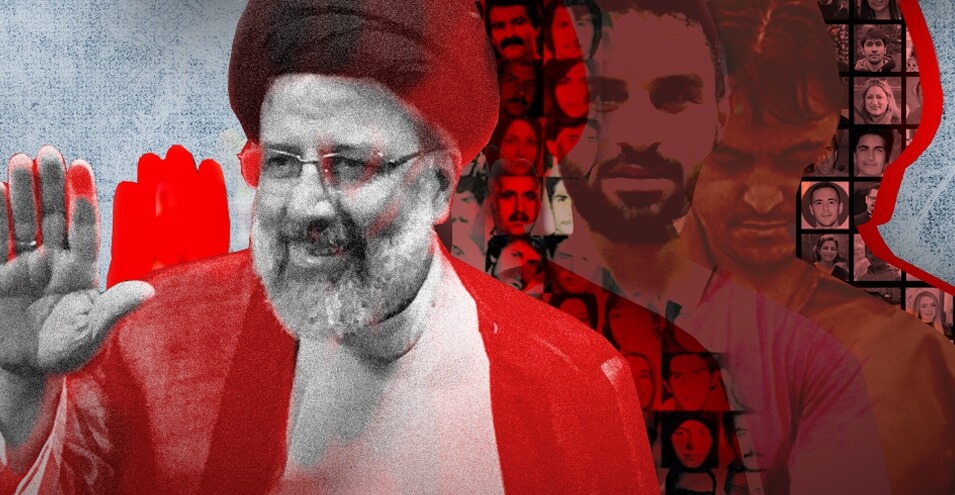
Ebrahim Raisi's renewed determination to sit on the presidency and the non-competitive atmosphere of the 2022 elections, and consequently, the increased likelihood of victory for the current head of the judiciary in Iran, have increased attention to Ebrahim Raisi's record and human rights positions. This candidate for the presidency in Iran has held important judicial positions for many years, and his actions at various historical points, such as his membership in a committee known as the "Death Commission" during the execution of political opponents of the Islamic Republic in 1988 and his stances in dealing with detainees during the 2009 protests as Deputy Head of the Judiciary, are still alive in the public opinion of Iranian society.
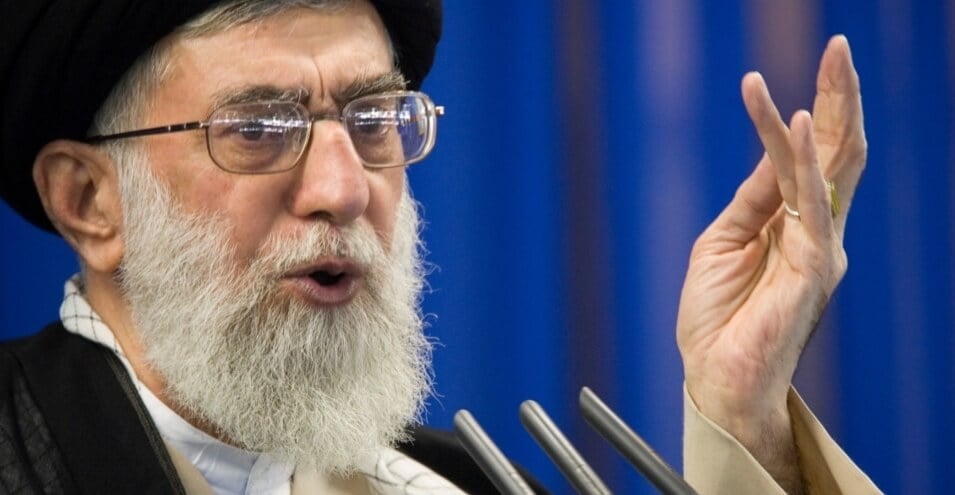
Ebrahim Raisi was appointed head of the judiciary by Supreme Leader Ali Khamenei less than two years after his defeat in the 2017 presidential election. During his more than two years as head of this body, numerous cases of escalating human rights violations and behaviors have been observed among the institutions and agencies under the jurisdiction of the judiciary; from the spread of inhumane treatment of prisoners in Iranian prisons to the intensification of judicial and security pressures on political and ideological defendants and civil activists, and of course, the increase in the number of death sentences issued and executed in political and ideological cases.
The lack of judicial action against the perpetrators and perpetrators of the downing of the Ukrainian passenger plane and the assailants and perpetrators of the November 2019 massacre, as well as the continued process of weakening the independent institution of the Iranian Bar Association through the application of regulations, circulars, and instructions, are other dark spots of Ebrahim Raisi's short tenure as head of the judiciary of the Islamic Republic of Iran.
Ebrahim Raisi: From membership in the "Death Commission" to head of the judiciary
In August 2016, Ahmad Montazeri released an audio file of his father Ayatollah Hossein Ali Montazeri's meeting with members of the board in charge of executing political prisoners in the summer of 1988. In this meeting, Ayatollah Montazeri addressed Hossein Ali Nayiri (then Sharia judge), Morteza Eshraqi (then prosecutor), Ebrahim Raisi (then deputy prosecutor), and Mostafa Pourmohammadi (then representative of the Ministry of Intelligence): "The greatest crime that has ever occurred in the Islamic Republic and which condemns our history was committed by you, and you will be written down in history as one of the criminals."
Ayatollah Montazeri's son had previously mentioned Ebrahim Raisi's direct and undeniable role in the summer of 2018 massacre in an interview with the Campaign for Human Rights in Iran, stating that there were more audio files detailing the executions of 2018.
The release of this audio file has raised public awareness of Ebrahim Raisi's record in the judicial system of the Islamic Republic of Iran. In 2009, Ebrahim Raisi, as Deputy Head of the Judiciary, took a harsh stance against protesters during the trial of Green Movement detainees. Ebrahim Raisi repeatedly claimed that many of the detainees in the Green Movement were connected to foreign forces, which led to the execution of a number of prisoners. In the same year, after revealing accounts of sexual harassment against prisoners were raised, Ebrahim Raisi, along with Gholamhossein Mohseni Ejei and Ali Khalafi, were assigned by the Judiciary to follow up on this issue. The result of this investigation was that "there is no evidence of sexual assault against the individuals alleged by Mr. Karroubi, and the allegations made are undocumented and devoid of truth." This claim was later proven to be false, and a case was filed for the Kahrizak crime.
Ebrahim Raisi, as Deputy Minister of the Judiciary, has repeatedly spoken of the continued treatment of Green Movement activists and leaders of this movement under house arrest. According to Ebrahim Raisi, “The Islamic Republic regime has treated the leaders of sedition with cruelty, and their house arrest is intended to ensure their own security.”
Ebrahim Raisi's candidacy in the 2017 presidential election, given his dark record as deputy head of the judiciary and numerous human rights violations during his nearly forty years at the highest levels of the judiciary of the Islamic Republic of Iran, caused many human rights organizations to react to this matter. Although Ebrahim Raisi came in second in that election and missed out on the position of head of the executive branch, nearly two years later, the Supreme Leader of the Islamic Republic of Iran appointed Ebrahim Raisi as head of the judiciary.
Ebrahim Raisi's record as head of the judiciary
Ali Khamenei, the Supreme Leader of the Islamic Republic of Iran, appointed Ebrahim Raisi to the position of head of the judiciary on March 6, 2018. According to many activists and human rights organizations, the appointment of Ebrahim Raisi as the head of the judiciary was an unjust and dangerous decision; a figure with a history of numerous human rights violations and harsh and strict positions against civil and political activists.
During the approximately 28 months of Ebrahim Raisi's presidency of the judiciary, repeated cases of human rights violations have occurred in the apparatus under his command; from the increase in the number of issuing and executing death sentences in political and ideological cases to the escalation of inhumane and illegal treatment of prisoners in the country's prisons.
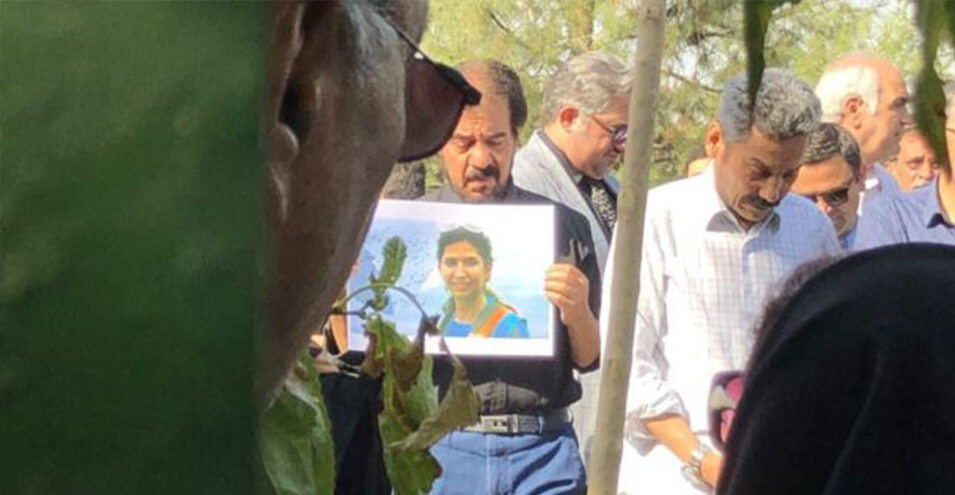
The execution of Navid Afkari, a 27-year-old wrestler and one of the detainees of the popular protests in Shiraz, and Ruhollah Zam, a journalist and opponent of the Islamic Republic, were two examples of the most important and controversial actions of the judiciary during the presidency of Ebrahim Raisi, which raised the voices of opposition from many human rights institutions and international organizations.
The issuance and execution of death sentences was not limited to political and conscientious prisoners, but these harsh sentences were also applied to non-political cases; during Ebrahim Raisi's presidency of the judiciary, for the first time in at least two decades, a person was executed for repeated alcohol consumption.
The execution of ethnic minority activists in the provinces of Khuzestan, Sistan and Baluchestan, and Kurdistan also intensified during the presidency of Ebrahim Raisi.
Increasing judicial and security pressures on civil activists
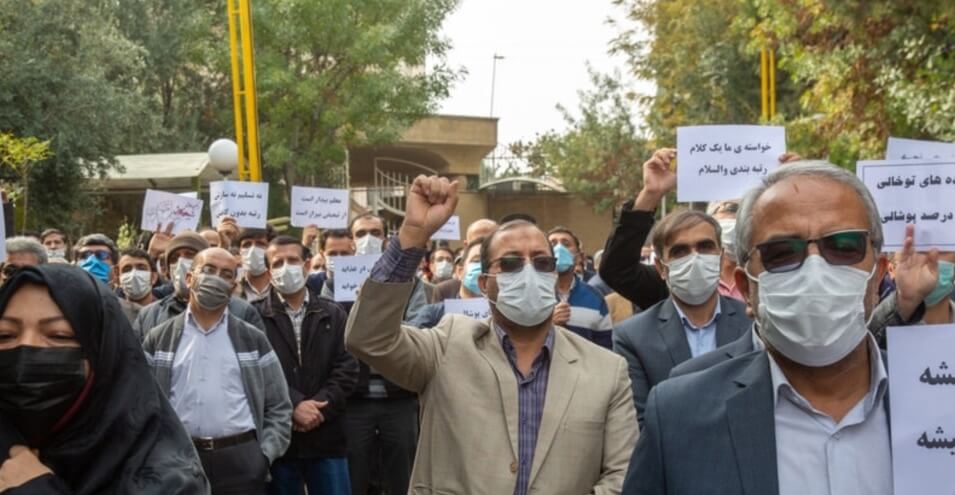
The record of the judiciary under Ebrahim Raisi in dealing with civil and labor rights activists, independent lawyers, cultural and artistic figures, and of course religious and ethnic minorities, has many dark spots; issuing prison sentences and floggings to labor rights activists and illegal and unjustified measures in dealing with protesting workers have been among the unjustifiable actions of the judiciary under Ebrahim Raisi.
The imposition of long-term prison sentences on some members of the Iranian Writers' Association, especially at a time when the coronavirus pandemic is intensifying in the country, is another example of the judiciary's actions against cultural activists, which has been unprecedented in recent years.
Judicial and security pressures on civil activists in the country's border provinces also increased significantly during Ebrahim Raisi's presidency of the judiciary; the widespread arrest of Kurdish activists in various cities of the country and the unfair and non-transparent handling of these activists' cases are examples of the application of these pressures on ethnic minority activists in the country.
The intensification of judicial and security clashes with detainees from the nationwide protests of November 2019 and protesters against the downing of a Ukrainian airliner by the Islamic Revolutionary Guard Corps, and the unfair and non-transparent process in the immediate trial of these individuals, are other examples of the confrontation of the country's judiciary headed by Ebrahim Raisi; in a situation where there is still no accurate information about the judicial investigation into the origin of these crimes.
The numerous actions of the judiciary regarding the execution of prison sentences or the issuance of unusual judicial orders against independent lawyers in Iran are also among the prominent cases of illegal behavior of judicial officials during the presidency of Ebrahim Raisi in this branch; the issuance of a judicial order prohibiting Farzaneh Zeilabi, a lawyer for Haft Tappeh workers, from practicing law, or the issuance of a prison sentence for Mohammad Hadi Erfanian Kaseb, the lawyer for Alireza Shir Mohammad Ali, a political prisoner who was killed in prison in June 2019, are recent examples of such behavior.
It can be said that one of the most important signs of the behavior of the judicial authorities during the presidency of Ebrahim Raisi in this body is the severe judicial and security clashes with the Baha'i religious minority in the country; the scope of these severe judicial clashes during the presidency of Ebrahim Raisi extended to small and sparsely populated cities of the country such as Birjand in South Khorasan Province. On the one hand, the issuance of prison sentences for Baha'i citizens in the country and on the other hand, the actions of the judicial system to confiscate Baha'i properties and assets have accelerated, and this religious minority in Iran faces continuous judicial pressure.
During the presidency of Ebrahim Raisi, the judiciary continued to arrest and detain dual nationals and foreign nationals. Many consider these arrests to be "hostage-taking" as the authorities pursue a project to exchange Iranian prisoners in the United States and Europe. The arrest of foreign citizens such as Australian citizen Kylie Moore or French citizen Roland Gabriel Marshall and then exchanging these individuals with forces affiliated with the Islamic Republic imprisoned in prisons in other countries is an example of this action by the judiciary under Ebrahim Raisi. Currently, French citizen Benjamin Brier has been in detention for more than a year and is awaiting a court verdict.
Intensification of persecution of political and ideological prisoners
During Ebrahim Raisi's presidency of the judiciary, prison authorities' treatment of prisoners, especially prisoners of conscience and political prisoners, is evidence of the intensification of violent treatment of prisoners; from imposing long solitary confinement on detainees to using unjustified and illegal methods of transferring prisoners to mental hospitals.
The lack of access to basic medical and treatment facilities for prisoners, especially during the COVID-19 pandemic in the country, and the low level of health facilities in prisons, have increased concerns about the health of prisoners during this period. However, judicial authorities have opposed granting leave or conditional release to many political and ideological prisoners.
The failure to promptly address Behnam Mahjoubi's physical condition led to the death of this prisoner of conscience. Many reports had been published about the severity of the torture inflicted on Behnam Mahjoubi. One of the tortures inflicted on this prisoner of conscience was his transfer to a psychiatric hospital and his hospitalization there. This behavior is a precedent for some other prisoners of conscience and political prisoners during the presidency of Ebrahim Raisi in the judiciary.
During the years of Ebrahim Raisi's presidency of the judiciary, many accounts were published from some prisoners and their families, which indicated torture and acts of extreme violence against prisoners; the account of the Afkari brothers, who are still in solitary confinement months after the execution of Navid Afkari, about the mental and physical torture they suffered, is an example of these accounts.
The use of "deportation in prison" during the presidency of Ebrahim Raisi was very common, despite its illegality; in many cases of deporting political prisoners, this action took place in unusual and harassing ways and without prior notice to the prisoner.
Opposition to "justice seekers" and efforts to weaken the independence of the Bar Association
One of the aspects that can be examined during Ebrahim Raisi's presidency of the judiciary is the judiciary's treatment of "justice claims." The judicial and security forces' treatment of the claimants of the victims and victims of the nationwide protests of November 2019, as well as the claimants of the victims of the downed Ukrainian plane, while none of the perpetrators or perpetrators of these tragedies have yet been tried in any court, is an indication of the dominant view in the judiciary under Ebrahim Raisi's presidency. The high speed of the judiciary in handling the claimants' cases and the very low speed in handling the cases of the perpetrators and perpetrators of these tragedies is another aspect of proving the dominant view in the judiciary. In a sense, this dominant view in the judiciary indicates the shifting of the positions of "accused" and "plaintiff." The announcement of a new verdict against Narges Mohammadi in a case in which she was actually the plaintiff, or the stance of judicial authorities in the incident of a soldier being slapped by a member of parliament, are examples of this. This interpretation (the shifting of the positions of the accused and the plaintiff) can even be used to explain the behavior of judicial authorities towards the signatories of the letter calling for the leadership's resignation.
On the other hand, the judiciary under Ebrahim Raisi has made great efforts in recent years, following the trend of previous heads of this branch, to weaken the independence of the Iranian Bar Association; the implementation of some regulations, circulars, and instructions during Ebrahim Raisi's presidency is evidence of this claim; It was on May 20, 2020, that Ebrahim Raisi announced the issuance of a circular entitled "Honoring and Promoting the Status, Transparency of Legal Financial Contracts, and Establishing a System of Lawyers' Suggestions" to judicial units throughout the country. A circular that, according to many independent lawyers, is used against them, despite its title.
In late November, the Legal Affairs Office of the Judiciary issued a directive to the country's chief justices, which emphasized at the beginning that "this directive is in line with the implementation of the directive issued by the Presidency of the Judiciary regarding the supervision of lawyers." According to this executive directive, "doubt" in the practical commitment of lawyers to "Islam," the "Islamic Republic system," or the "velayat al-faqih" and failure of female lawyers to observe the Islamic hijab in judicial forums and even cyberspace will result in "revocation of the lawyer's license" and lead to "judicial prosecution" of lawyers.
Source: Iran Human Rights Campaign