Authorities acknowledge the intensity of protests in Iran; admission of inefficiency or warning to protesters?
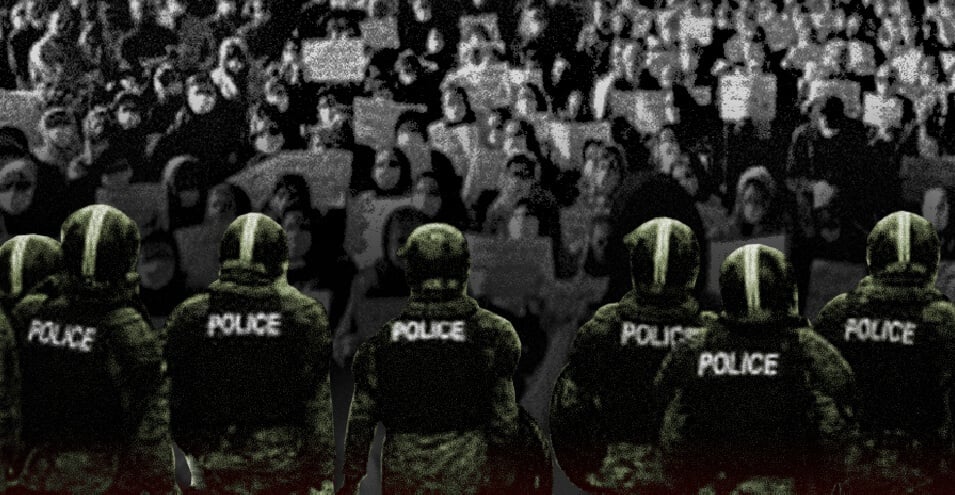
What picture does the continuation of protests and strikes by various segments of society in Iran, and the acknowledgement by some government officials and officials of increasing public dissatisfaction, paint for us of the future demands of various segments of society and the way the government will deal with them?
How does the appointment of security and judicial figures, some with a dark history of human rights violations, to important and key positions in the government of Ebrahim Raisi show the dominant view of the government towards the protests? Given the dark history of the Islamic Republic of Iran in dealing with popular protests, how can the government's acknowledgement of the intensification of popular protests and strikes in the near future and their admission of growing dissatisfaction among the people be formulated? What has caused the government's fear and panic about the continuation of the popular protests more than ever before is the possibility of these protests expanding and connecting with each other; an issue on which repressive policies are defined.
The government's confrontation with protests; the development and strengthening of the suppression apparatus
Taghi Rostamvandi, head of the Social Affairs Organization and deputy interior minister, recently announced an increase in the “desire to make fundamental changes in the country,” and in explaining this issue, he cited the “indicator of the desire to protest” and “the decline in people’s resilience to economic pressures” as important factors in the intensification of the desire to make fundamental changes in the country. This recognition by the Interior Ministry official, as one of the most secure institutions of the government, on the issue of the intensification of protests by various groups comes at a time when the government’s behavior in the face of the intensification of protests and strikes in Iran over the past few years has been repressive and coercive. On the other hand, the appointment of people who mainly have security and judicial backgrounds to positions that directly play a role in confronting popular protests shows that the government’s approach to dealing with what it considers to be the intensification of protests in the near future will continue to be a coercive one. This point is particularly evident in the selection and appointment of governors of many provinces in Iran.
Taghi Rostamvandi holds the position of deputy minister of a ministry that is actually one of the most important determining elements in the form and manner of dealing with popular protests and strikes. A ministry that elects the country's governors. That is, the most important authority that plays a key role in each province in dealing with protests and strikes. The Ministry of Interior is actually also the body that oversees the police force. A force that has always been one of the main elements in dealing with popular protests.
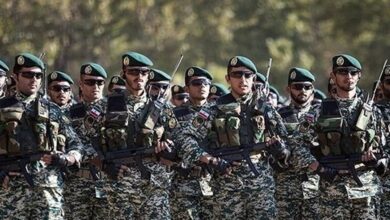
The appointment of Brigadier General Ahmad Vahidi, a senior commander of the IRGC, as Minister of Interior paved the way for IRGC, security and judicial figures to take over the governorship positions. Of Iran's 31 provinces, 10 are IRGC governors and another 10 have security or judicial backgrounds. The forces that took charge in provinces of the country were mainly among the most important provinces in Iran during the popular protests of the past few years.
The importance of the role of governors in dealing with protests is, above all, due to their key role in the provincial "Supply Council." The council, which consists of the commander of the Revolutionary Guard, the intelligence officer, and the commanders of the police forces of each province and is chaired by the governor, is primarily responsible for policymaking and determining the form and method of dealing with protests during popular protests.
Looking at the government's broad approaches, including the Ministry of Interior's approach to selecting governors, the deputy minister's remarks about the increasing desire for fundamental changes in the country due to the intensification of the protests are actually more of a warning to the various groups and protesters in Iran than a means of hearing the people's voices of protest and demand. A warning that means that the government is more than ever prepared to face the upcoming protests and strikes.
Spread of protests; the government's fear of a link to demands
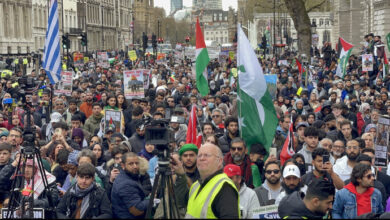
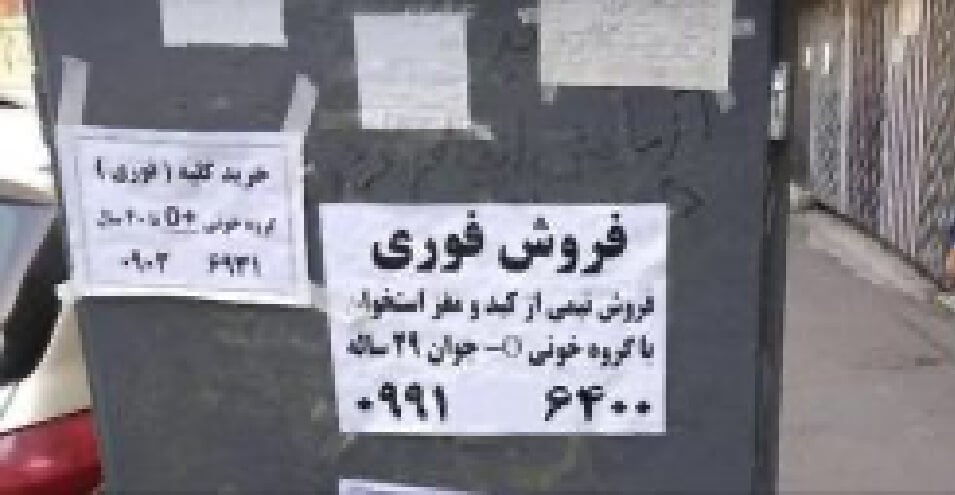
The dispersion of protests and strikes in many small and large cities of Iran and the consequent severe repression of protesters has undoubtedly been one of the most important forms of human rights violations in recent years. The costs and consequences of these repressions have increasingly affected a wider segment of society, but the inefficiency of the government in resolving existing crises and its reliance on coercive and judicial confrontations with protesters and civil and trade union activists has meant that not only has “street protests” not been forgotten in the path of demands of many segments of society, but we have also witnessed the growth and establishment of new aspects of street protests; the protests of retirees are an example of a new group of protesters who now see the only way to achieve their rights in street protests. The protests of retirees in Iran have taken on a more coherent form for several years. The protests that have linked together in small and large cities of the country have become a nationwide protest.
One of the most important concerns of the governing apparatus regarding the process of popular protests in Iran is the possibility of the protests spreading rapidly to all cities in the country. Paying attention to this concern also makes it easier for us to read the authorities' approach to appointing governors, and of course, makes the authorities' explicit attention and emphasis on the necessity of filtering social networks and launching a national internet network meaningful.
Of course, the issue of the continuity of protests in Iran is not only related to the form of their expansion or the nationwide holding of protests and strikes. Rather, the important aspect of popular protests in Iran is finding as many common points as possible in the protests and strikes of different segments of society.
The increasing prominence of these commonalities among the demands and demands of different segments of society increases the necessity for the government to adopt uniform repressive policies. In this sense, appointing governors with military and security backgrounds or attempting to control cyberspace as much as possible is in line with a systematic policy of repression that has a pre-written narrative.
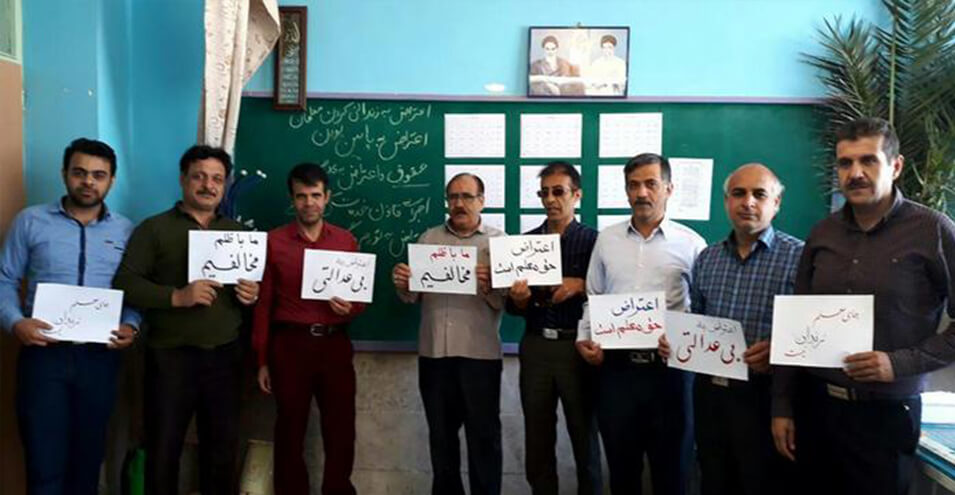
However, it seems that the literature that dominates the space of demands in different strata is becoming more intense day by day, and the demands of the protesters are defined and expanded precisely in response to the oppression inflicted on them. Examples of this reckless and bold literature can be found in the recent statements of the retirees' gatherings or the statements of the Teachers' Union Council during the nationwide protests of teachers and educators. Statements that not only explicitly and precisely emphasize the continuity and continuity and connection with other protests and strikes, but also directed their criticism towards the judiciary and demanded the release of their colleagues.
Source: Iran Human Rights Campaign