European Troika resolution presented despite opposition from Iran and Russia
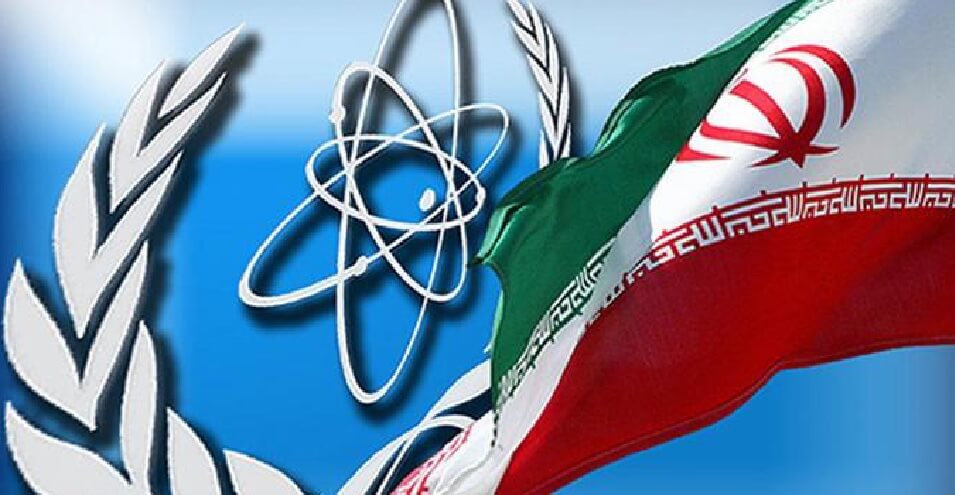
Britain, France and Germany have submitted a draft resolution to the Board of Governors in support of the US approach. The draft was prepared despite warnings from Iran and Russia. Europe is concerned about Iran's violation of its commitments under the JCPOA.
The quarterly meeting of the International Atomic Energy Agency's Board of Governors began in Vienna this week. Before the meeting began, the United States prepared a three-page document on Iran's violations of its obligations under the JCPOA and provided it to the members of the board.
Reuters, reporting from Vienna, reported that a draft resolution has been prepared by Germany, Britain and France. Reuters has obtained a copy of the draft.
The European Troika has presented this draft to the members of the Board of Governors. If such a draft is approved, the issue of the Iranian nuclear dispute will once again be referred to the United Nations Security Council.
This is despite Russia and Iran warning of the consequences of such an action. Mohammad Javad Zarif, the Islamic Republic's Foreign Minister, called such an action by the aforementioned European countries "harmful" to the return to the JCPOA commitments.
The Russian representative to the International Atomic Energy Agency has also called such a move “unconstructive.” It is currently unclear how many of the 35 members of the IAEA’s Board of Governors will agree to the resolution.
Draft content
In their draft resolution, Germany, France, and the United Kingdom have expressed concern about Iran's increasing violations of its JCPOA commitments.
The draft resolution also refers to the Islamic Republic's lack of clear accountability for the discovery of uranium particles at three nuclear sites.
Rafael Grossi, Director General of the International Atomic Energy Agency, has once again emphasized the access of the agency's inspectors to Iran's nuclear facilities.
There is a possibility that the Islamic Republic of Iran will cancel its agreement with the International Atomic Energy Agency in response to the European Troika's draft resolution.
During his visit to Tehran, Grossi reached an agreement with Ali Akbar Salehi, head of the Atomic Energy Organization of Iran. The agreement was to postpone for three months the restrictions on inspections of Iranian nuclear facilities. The content of the agreement, however, is considered confidential.
The Islamic Republic had announced that it would suspend implementation of the Additional Protocol as of March 25. Implementing such a policy could effectively limit the Agency's ability to inspect Iranian nuclear sites.
Source: DW