In what areas can Iran harm the United States and its allies?
یک روزنامه آلمانی مناطقی را برشمرده است که در معرض خطر حمله از جانب نیروهای ایرانی یا شبهنظامیان طرفدار جمهوری اسلامی هستند. در این راستا از جمله به امکانات ایران در اروپا و ایالات متحده اشاره شده است.
روز یکشنبه، ۱۵ دیماه (پنجم ژانویه) روزنامه “دی ولت” مقاله جامعی در باره تهدیدهای جمهوری اسلامی علیه ایالات متحده و اینکه در کجا نیروهای ایرانی یا گروههای تحت حمایت جمهوری اسلامی میتوانند به آمریکا و همپیمانانش ضربه بزنند منتشر کرد.
این مقاله توسط چهار روزنامه نگار (بوهمر، لوتس، ورجین و هاکنسبرگر) نگاشته شده و با اظهارات رئیس جمهور ایران آغاز شده است.
حسن روحانی روز جمعه گفته بود که کشتهشدن قاسم سلیمانی باعث مصممترشدن ایران در مبارزه با “امپریالیسم آمریکا” شده است.
در ادامه مقاله بر این نکته تاکید شده است که جمهوری اسلامی بهتنهایی عمل نخواهد کرد بلکه بیش از پیش نیروهای طرفدار خود را برای انتقامجویی روانه عملیات مسلحانه علیه ایالات متحده خواهد کرد.
نویسندگان مقاله معتقدند که تاکنون هیچ یک از قدرتهای نظامی نتوانسته است مانند جمهوری اسلامی “ضعف خود را به قدرت تبدیل کند”.
در این راستا به “تضعیف ارتش ایران بر اثر تحریمها” اشاره شده و اینکه ایران صاحب جنگافزارهایی است که عمدتا بین دهههای ۱۹۶۰ تا ۱۹۸۰ ساخته شدهاند: «حتی نیروی هوایی ایران به قطعات یدکی هواپیما دسترسی ندارد.»
چهار روزنامهنگار آلمانی تاکید میکنند که نیروهای سپاه پاسداران سختآزموده هستند، اما تجهیزات آنها قابل عرض نیست.
به همین دلیل ایران روی دو چیز سرمایهگذاری کرده است: موشک و گروههای شبهنظامی در کشورهای دیگر: «موشکها وسیلهای نسبتا ارزان برای ایجاد خسارت و بازدارندگی در یک منطقه بزرگ هستند.»
آنها بر این نکته نیز تاکید میورزند که جمهوری اسلامی توانسته است، توسط نیروهای تحت پوشش خود در کشورهای گوناگون، از جمله لبنان، سوریه و عراق نفوذ گستردهای پیدا کند.
«ایران میتواند در کشورهای منطقه ناامنی ایجاد کند و همزمان مانع ورود بحرانبه درون مرزهای خود شود. به این ترتیب ایران قادر است به دشمنانش ضربه بزند و از حمله متقابل جلوگیری کند»، زیرا حملهها توسط نیروهای شبهنظامی آن کشورها انجام شده نه ایران.
Iraq
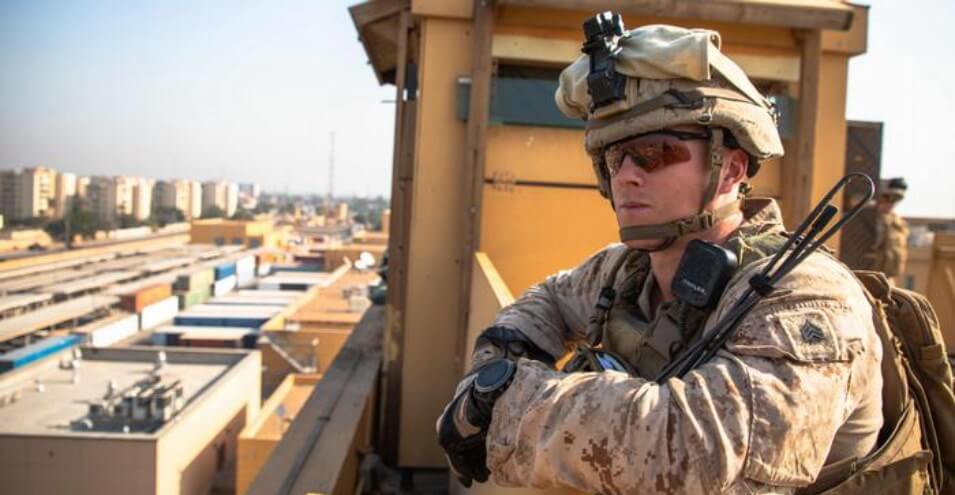
در مقاله “دی ولت” به حملههای طرفداران ایران به “منطقه سبز”، سفارت آمریکا در بغداد و پرتاب موشک به پایگاه البلاد در روز شنبه اشاره شده است.
به گفته منابع عراقی دو موشک به پایگاه هوایی “البلاد” در ۸۰ کیلومتری شمال بغداد شلیک شده است. در البلاد کارشناسان آمریکایی برای آموزش نظامیان عراقی مستقر شدهاند.
به اعتقاد نویسندگان مقاله، اینها فقط دو نمونه از امکانات گروههای زیر پوشش ایران هستند و آمریکا علاوه بر دو دفتر نمایندگی خود در عراق، پنج هزار و ۲۰۰ سرباز و کارشناس نظامی در این کشور دارد و در پایگاههای نظامی زیادی استقرار یافته است. هر کدام از اینها میتوانند هدفی برای گروههای شبهنظامی باشند؛ گروههایی که “فقط منتظر یک اشاره از ایران هستند” و “هیچ ابایی برای تبدیل عراق به میدان جنگ ندارند”.
لبنان و اسرائیل
مقاله “دی ولت” به اهدافی در اسرائیل و لبنان اشاره کرده و این که بزرگترین نیروی طرفدار ایران حزبالله است که حدود ۱۳۰ هزار موشک در لبنان تعبیه کرده و اسرائیل را هدف گرفته است.
از دید نویسندگان مقاله، حمله به اسرائیل مهمترین کارت ایران در قمار قدرت در خاورمیانه به شمار میرود: «اسرائیل سیستم پدافند هوایی آیرون دام (گنبد آهنی) را دارد اما با یک حمله گسترده (موشکی)، به احتمال زیاد نیمی از موشکهای مهاجم خنثی خواهد شد.»
اما چرا ایران از این کارت برنده استفاده نمیکند؟
«چون نمیتواند چند بار از آن بهره ببرد. پاسخ اسرائیل میتواند ضد حمله و دخالت نظامی در لبنان باشد. در این صورت، زرادخانه موشکی که ایران برای حزبالله در بیش از یک دهه انباشته است، نابود خواهد شد و مهمترین سلاح تهران در منطقه از بین خواهد رفت».
ایالات متحده و اروپا
در مقاله روزنامه آلمانی همچنین به امکانات جمهوری اسلامی برای حمله در آمریکا و اروپا اشاره شده است. در این راستا از “سلولهای خفته” نام برده شده که وابسته به حزبالله لبنان هستندٰ و چند تن از آنها در ایالات متحده شناسایی و محاکمه شدهاند.
نهادهای امنیتی غربی احتمال میدهند که این گونه “سلولها” در اروپا نیز وجود دارند و منتظر دستور برای حمله و خرابکاری هستند.
به گفته نویسندگان “دی ولت”، حزبالله لبنان به این نکته اهمیت میدهد که اعضای این “سلولها” شهروند کشورهای غربی باشند. در این راستا به یک حمله انتحاری اشاره شده که در سال ۲۰۱۲ علیه یک گروه توریستی اسرائیلی در بلغارستان انجام شد. فرد مهاجم شهروند فرانسه بود.
در ادامه مقاله، احتمال حملههای تروریستی به اهدافی در آلمان هم مطرح شده است. بر اساس ارزیابی نهاد امنیتی “حمایت از قانون اساسی فدرال” (BfV) در تابستان ۲۰۱۹، فعالیتهای اطلاعاتی سپاه قدس ایران در آلمان “با هدف تحقیق در مورد اهداف حملههای احتمالی” انجام میشود.
در این راستا به جاسوسی در باره راینهولد روبه، رئیس پیشین انجمن آلمان و اسرائیل، اشاره شده است. در سال ۲۰۱۷ یک دانشجوی پاکستانی در آلمان به اتهام جاسوسی برای سپاه پاسداران جمهوری اسلامی محاکمه شد. به گفته دادستانی، او از جمله زندگی روزمره روبه و یک استاد فرانسوی-اسرائیلی در دانشسرای عالی اقتصاد در پاریس را زیر نظر داشته و مسیرهای آمد و رفت آنها را کنترل میکرده است.
علاوه بر این، نیروهای امنیتی آلمان ده مظنون ایرانی را که گفته میشود تاسیسات و پروژههای اسرائیلی یا یهودی را تحت نظر داشتهاند دستگیر کردهاند.
به گفته اداره “حمایت از قانون اساسی فدرال”، فعالان اپوزیسیون ایرانی در آلمان بیش از پیش در خطر هستند.
پلیس جنایی فدرال (BKA) از روز جمعه در حال به روز کردن ارزیابیهای خود در رابطه با خطر گروههای ایرانی و غیرایرانی طرفدار جمهوری اسلامی است.
تجارت جهانی
چهار نویسنده مقاله “دی ولت” در ادامه به خطری که میتواند از جانب مقامات ایران متوجه تجارت جهانی شود پرداختهاند. آنها به حملههای نیروهای ایرانی به تانکرهای نفتی در سال گذشته میلادی وهمچنین حملههای موشکی و پهپادی شورشیان حوثی یمن به تاسیسات عربستان سعودی پرداختهاند و تاکید کردهاند که تنگه هرمز مهمترین راه آبی برای تجارت نفت منطقه است و اگر بهخطر بیافتد، بهای نفت افزایش چشمگیری خواهد یافت و در تجارت جهانی خلل ایجاد خواهد کرد.
یکی دیگر از راههای آبی که برای رساندن نفت و کالاهای دیگر به اروپا استفاده میشود، بابالمندب است. این تنگه، خلیج عدن و دریای سرخ را بهیکدیگر وصل میکند.
مقاله “دی ولت” با این نکته پایان مییابد که حوثیهای طرفدار ایران میتوانند این تنگه را که بخشی از کوتاهترین مسیر آبی از خلیج عدن به اروپاست، مختل کنند.
Source: DW